London Ontario Real Estate. No Fluff. No Sales Pitch. Just the Truth.

 Written by Ty Lacroix — Real Estate Strategist & Broker, London Ontario 

RSS

The Decision to Downsize Was Already Made. You Just Needed the Right Conversation to Confirm It.

Most London homeowners who downsize have been thinking about it for longer than they'll admit. The moment that moves them forward isn't a market report or a financial calculation. It's a conversation where, for the first time, someone listens without an agenda — and the path forward suddenly feels possible.

You haven't said it out loud yet. Not to your kids, not to your friends, maybe not even to your spouse.

But the thought has been there. Sitting with you on a Sunday morning, when you walk past the rooms nobody uses anymore. Showing up quietly when the furnace needs replacing, or the gutters need cleaning, or the driveway needs sealing — again.

The house that fit your life perfectly twenty years ago has started to feel like a job.

That's not a complaint. It's just true. And recognizing it doesn't mean you're ready to leave. It means you're ready to think.

Most London homeowners who reach this point spend months — sometimes years — gathering information. They read about the market. They watch what their neighbours sold for. They calculate equity on a napkin at the kitchen table. They tell themselves they'll do something about it when the time is right.

What they're really waiting for isn't the right market, the right price, or the right neighbourhood to move to.

They're waiting for a conversation where they don't feel sold to.

Where someone sits across from them and asks what they actually want — and then listens. No clipboard. No listing agreement on the table. No pressure to decide anything today.

In my experience, the downsizers who move well — who sell for what their home is worth, buy the right next home, and land in a life that fits — almost never made a fast decision. They made an early one. They had the conversation before they felt ready, and that conversation gave them the clarity to move on their own terms.

The ones who struggled waited. Not because they were wrong to wait — but because waiting quietly, without a clear picture of what the move actually looks like, costs more than most people realize. Not just financially. In the options that quietly disappear while you're still deciding.

There is a window of time when this decision is entirely yours.

You are healthy. Your home is in good shape. You have the mental space to think clearly, choose carefully, and move at a pace that suits you. That window doesn't stay open indefinitely — and it rarely announces when it's closing.

A health change. A shift in the market. A family conversation that takes on its own momentum. Any one of these can quietly move the decision out of your hands before you realize it's happening.

The homeowners who moved well didn't time it perfectly. They simply started while they still had full control — over the price, the pace, the next home, and the moving date.

Here is what that first conversation actually looks like.

No sales pitch. No pressure to sign anything. A straightforward discussion about where you are, what you want the next chapter to look like, and whether the numbers make the move you're imagining possible right now.

If they do — there's a clear path forward. If they don't — you'll know exactly what needs to change before they will.

Either way, you leave with clarity instead of questions.

Most people who have that conversation say the same thing afterward: they wish they'd had it sooner.

If you've been thinking about this longer than you'd admit — here is what you may want to know before you decide anything.

Your Next Chapter Starts Here →

Read

What a Buyer Will Pay for Your London Home and What You Think It's Worth Are Two Different Numbers

Every London home sale begins at a kitchen table where a seller and their realtor decide on a price. That number — and the ten days that follow — determines everything. Not the market. Not the neighbourhood. The decision  made in that room.

Picture the moment.

You're sitting at your kitchen table with your realtor. You've lived in this home for twenty years. You know every corner of it. You've watched the neighbourhood change, watched similar homes sell, watched the market move up and then soften. You have a number in your head — the number that makes the next chapter of your life possible.

Your realtor has a number too. It came from the data — recent sales, days on market, what buyers in London are actually paying right now for a home like yours on a street like yours.

Sometimes those two numbers are the same. Often they aren't.

What happens in that room — and in the ten days after your home goes live — decides whether you walk away with what your home is worth, or whether you spend the next sixty days finding out the hard way that the market dHere's what nobody tells sellers before that kitchen table conversation:

A buyer has never seen your renovation receipts. They don't know what you paid for the Dacor range or the heated floors or the landscaping you spent three summers perfecting. They weren't there when you made those decisions, and they don't factor into what a buyer will offer on a Tuesday afternoon in London, Ontario.

What a buyer will pay is determined by one thing: what comparable homes on MLS sold for recently, filtered through how your home makes them feel when they walk through the door.

That's it. That's the entire equation.

The seller who understands this goes into those first ten days with a price that attracts buyers and a listing that makes them feel something. The seller who doesn't spend day 9 staring at a phone that isn't ringing, wondering what went wrong.

The first ten days are not like the rest of the listing period. Buyer attention in London peaks the moment a new listing appears. Realtors are watching. Buyers are watching. The first weekend generates the most showings your home will ever see.

A home priced at what a buyer will pay, with a listing description that makes someone think I can see myself living there — that home creates competition in the first weekend. Competition protects your price.

A home priced at what the seller hopes to get, described like every other listing on MLS — "3 bedrooms, 2 bathrooms, updated kitchen, must see" — generates silence. And silence by day 9 is expensive.

By day 10, the market has delivered its verdict. The question is whether you were ready to hear it on day one — at that kitchen table — or whether you're hearing it now, when your options are fewer, and the cost of waiting is already accumulating.

The best thing a great realtor does at that kitchen table isn't to tell you what you want to hear.

It shows you exactly what a buyer will pay — and then builds everything around protecting that number. The description, the photography, the timing, the pricing strategy. All of it is designed so that when the right buyer finds your home in that first weekend, they feel something strong enough to act on.

That feeling doesn't happen by accident. And it doesn't happen when the price and the presentation aren't working together from day one.

If you're thinking about selling in London and you haven't yet had that kitchen table conversation — the honest one, with real numbers — that's where it starts.

Talk to Ty About Your Home →

Why the First 10 Days Determine Your Sale Price →

Read

The Critical 10-Day Countdown: Maximize Your Home To Sell in London, Ontario

The journey of selling your home in London, Ontario, often feels like a long process, but the truth is, the success of your entire sale hinges on just a handful of critical days. In a competitive market, you don’t get a second chance to make a first impression. That’s why every seller needs to master the 10 most important days—from initial preparation to the final offer.

By focusing your effort, time, and resources on these key moments, you can significantly reduce your time on the market and secure the highest possible price for your property.

Days 1-5: The Strategic Preparation

These are the days when money is made. Buyers in London are looking for move-in-ready homes, and meticulous preparation pays off.

Day 1: The Valuation & Strategy Meeting. This is when you hire your Realtor. This is more than just getting a price estimate; it’s about creating a hyper-local strategy. Your Realtor should come prepared with:

  • A comparative market analysis (CMA) of recently sold properties in your neighbourhood.

  • A clear, data-driven pricing recommendation.

  • A detailed timeline of all necessary pre-listing activities (cleaning, staging, photography).

Day 2: Declutter, Depersonalize, and Repair. Buyers need to envision themselves in the space, not you. Spend this day ruthlessly removing personal items (photos, trophies, collections) and minimizing furniture. Perform small, high-impact repairs, such as fixing leaky faucets, patching holes in drywall, and replacing burnt-out light bulbs.

Day 3: Deep Cleaning and Staging. A professional deep clean is non-negotiable. Focus on kitchens (appliances, cabinets) and bathrooms. After cleaning, apply simple staging principles: fresh towels, organized pantries, and a clean, neutral aesthetic. Staging helps showcase the room’s potential and makes photos pop.

Day 4: Professional Photography & Video High-quality listing photos are your most powerful marketing tool. This is not the time for amateur phone pictures. Professional photos and a 3D virtual tour or video walkthrough are essential for capturing buyers who start their search online.

Day 5: Write the Compelling Listing Description. Work with your Realtor to craft a description that tells a story, highlights key features (e.g., proximity to parks, specific school zones, upgrades), and focuses on the emotional benefits of living in the home.

Days 6-9: The Critical Launch Period

The first week your home is on the market dictates the momentum of your sale. This is where demand is highest.

Day 6: The Official Launch (Go-Live Day). Your home is added to the London & St. Thomas Association of Realtors (LSTAR) MLS system. Every marketing element—photos, video, description—is flawless. All your Realtor’s pre-marketing efforts (social media previews, “coming soon” signs) pay off today.

Day 7 & 8: Showings and Open Houses. These days are designed for maximum visibility. The goal is to generate as many showings as possible. Keep the home immaculate, ensure all lights are on, and consider leaving for the day. An optional weekend open house can capture potential buyers who are not actively working with a Realtor.

Day 9: The Brutal Truth. There is no indication of any offers. Or, only one or a low-ball.

Day 10: The Negotiation and Acceptance

This is the day you convert interest into equity.

Day 10: Strategic Negotiation A strategic negotiation comes into play! This is not just about the highest price; it’s also about the best terms:

  • Closing Date: Does it align with your next move?

  • Conditions: Are the offers firm (no financing or inspection conditions)?

  • Deposit: Is the deposit substantial?

Your Realtor’s negotiation skills and financial integrity are paramount in ensuring you get the maximum value while protecting you from contingencies.

The Takeaway

The bulk of your effort needs to be front-loaded. But here's what this page doesn't tell you: the sequence matters as much as the steps. Most London sellers do all ten things — in the wrong order. That single mistake is what separates a sale in 10 days from a home that sits for 60.

There are three specific decisions made in Days 1 and 2 that determine everything that follows. Most realtors don't raise them. Most sellers don't know how to ask.

If you're thinking about selling in the next 6 months, it costs nothing to find out where your home stands right now.

WHAT WOULD YOUR HOME SELL FOR IN THIS MARKET?

Read

The Biggest Risk in Buying a Home in London, Ontario, Isn't the Market — It's the Realtor You Choose

Most buyers in London, Ontario, spend weeks searching for the right home and less than an hour choosing who represents them. That one decision determines everything that follows — how your offer is structured, whether your conditions protect you, and whether you arrive at closing day informed or blindsided. After 24 years and 1,383 closed transactions, the five stages below are where the wrong representation costs buyers the most.

Buying a home in London, Ontario, is one of the largest financial decisions most people will ever make. The market gets most of the attention — prices, competition, interest rates. But after 24 years and hundreds of closed transactions, the variable that determines how a purchase actually goes has almost nothing to do with the market.

It's who the buyer hired to represent them.

95% of realtors in Canada are transactional. They move buyers from offer to close and consider the job done. What they don't do is show buyers the full picture before they sign — the conditions that protect them, the deadlines that can't be missed, the documents that need to be understood, not just delivered.
The Canadian Real Estate Association reports that the average buyer spends less than 10 weeks in active search before going firm on a purchase. In that window, most buyers spend more time choosing a paint colour than they do evaluating who is representing them in one of the biggest financial decisions of their lives.
Here are the five stages in a London, Ontario, home purchase where that choice shows up most.

1. Condition removal — the point of no return

Most offers include a financing condition and an inspection condition, each with a hard deadline of five to ten business days. When that deadline arrives, the buyer has one decision: waive the condition and go firm, or walk away.

Waiving a condition is permanent and legal. Once you go firm, you are committed. If your financing falls through after that point, you can lose your deposit and face legal action.

A realtor who doesn't explain what waiving means — in plain language, before the deadline — is not representing you. They are processing you.

2. The inspection report — what it says vs. what it means

A home inspection report is not a pass/fail document. It is a list of observations, and most reports on homes in London, Ontario, will note issues. Some are minor. Some are significant. Some affect the price. Some don't.

The question is never whether there are issues. The question is which ones are material to your decision and which ones are cosmetic. That requires interpretation — not just delivery of a PDF.

Buyers whose realtor drops off the inspection report and waits for a decision are flying blind at the most consequential moment in the transaction.

3. The status certificate — condo and townhome buyers specifically

If you're buying a condo or townhome in London, Ontario, your offer should include a condition giving you time to review the status certificate. This document shows whether the condo corporation is financially healthy, whether there are any pending special assessments, and the reserve fund balance.

According to the Condominium Authority of Ontario, a reserve fund below the recommended threshold significantly increases the likelihood of a special assessment — an unexpected bill to every unit owner.

Most buyers see the status certificate for the first time after they are emotionally committed to the purchase. A realtor who doesn't flag this before the offer is written is not protecting you.

4. Mortgage instruction delays on closing day

Even after financing is confirmed and conditions are waived, your lender must send mortgage instructions to your lawyer before closing can proceed. If those instructions arrive late — and they do — your closing can be delayed by hours or a full day.

A delayed closing means movers rebooked, storage fees, hotel costs, and potential penalties if you're also selling on the same day. The fix is a 30-second confirmation call to your lawyer 72 hours before closing. Most buyers don't know to make that call because nobody told them.

5. Closing cost surprises

Land transfer tax, legal fees, property tax adjustments, title insurance — buyers who see the full closing cost picture for the first time on closing day are routinely caught off guard.

On a $700,000 purchase in Ontario, land transfer tax alone is approximately $9,475. First-time buyers receive a rebate of up to $4,000. Everyone else pays the full amount, plus legal fees and adjustments.

A closing cost breakdown prepared before you go firm eliminates the surprise entirely. Whether your realtor prepares one for you before you sign is a direct reflection of who they are working for.

The full London, Ontario buying process — all 181 steps, including each of these stages — is mapped here in plain language, no sign-up required:

👉 How Buying a Home in London, Ontario, Actually Works

If you're buying in London, Ontario, in the next 90 days and want to understand the full process before you make an offer, call me directly. The conversation costs nothing. The wrong realtor does.

Ty Lacroix, Broker The Envelope Real Estate Group 519-435-1600 | enveloperealestate.com

Read

Why Most Buyers in London, Ontario, Don't Know What They Agreed To Until It's Too Late.

A home purchase in London, Ontario, involves more than 180 separate steps between accepted offer and closing day. Most buyers never see the full picture before they sign. This post explains where the gaps are — and why they matter.

Most people buying a home in London, Ontario, spend more time researching a car purchase or their vacation than they do understanding what happens after their offer is accepted.

That's not a criticism. It's a system problem.

The real estate industry has spent decades making the buying process look simple: find a home, make an offer, get the keys. What it doesn't show you is everything that happens in between — the conditions, the deadlines, the inspections, the title searches, the financing confirmations, the status certificates, the adjustments on closing day.

According to the Canadian Real Estate Association, the average buyer in Canada spends less than 10 weeks in active search before going firm on a purchase. In a market like London, Ontario, where move-up buyers are often making the largest financial decision of their lives, 10 weeks isn’t enough time to understand an 180-step process.

Here's where buyers are most often caught off guard:

Condition removal deadlines. Most offers include a financing condition and an inspection condition. Both have hard deadlines. If you miss them or waive them without fully understanding what you're waiving, you are exposed.

The gap between accepted and closed. An accepted offer is not a done deal. Between acceptance and closing, a title search is conducted, adjustments are calculated, mortgage instructions are sent to a lawyer, and a dozen other steps happen — most of them invisible to the buyer.

Closing day surprises. Property tax adjustments, utility adjustments, land transfer tax, legal fees — buyers who haven't seen a closing cost breakdown before closing day are routinely surprised by the number.

Condo and townhome purchases specifically. If you're buying a condo or townhome in London, there is an additional layer called a status certificate review. This document provides information on the financial health of the condo corporation, any pending special assessments, and the reserve fund balance. Most buyers see it for the first time after they are emotionally committed to the purchase.

After 24 years and hundreds of closed transactions in London, Ontario, I built a complete map of the buying process — all 181 steps, from initial search to closing day — because I've heard of too many buyers arriving at the closing table not knowing what they agreed to.

That map is here, no sign-up required: How Buying a Home in London, Ontario, Actually Works

If you're planning to buy in London, Ontario, in the next 90 days and want to understand the full process before you make an offer, that's where to start. Or contact me directly — I'm happy to walk you through it.

Read

Want More Buyers to See Your Home When It's For Sale in London, Ontario?

You cannot depend solely on the MLS or social sites to attract buyers and get them to see your home for sale. To get buyers to see your home, a few ideas:

Did You Know:

  • 44% of buyers who toured a home also viewed it online.

  • 67% of buyers who walked through a home had viewed it online and taken a virtual tour.

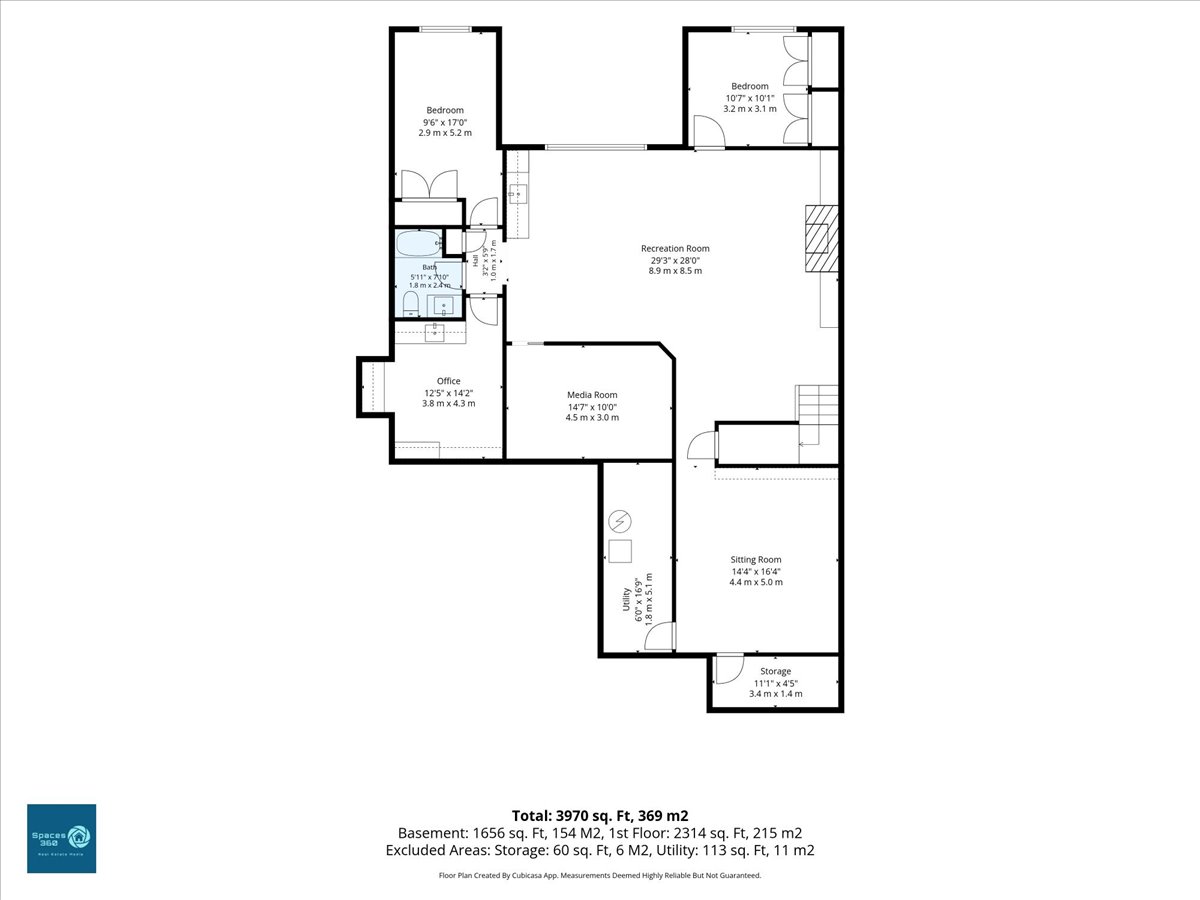
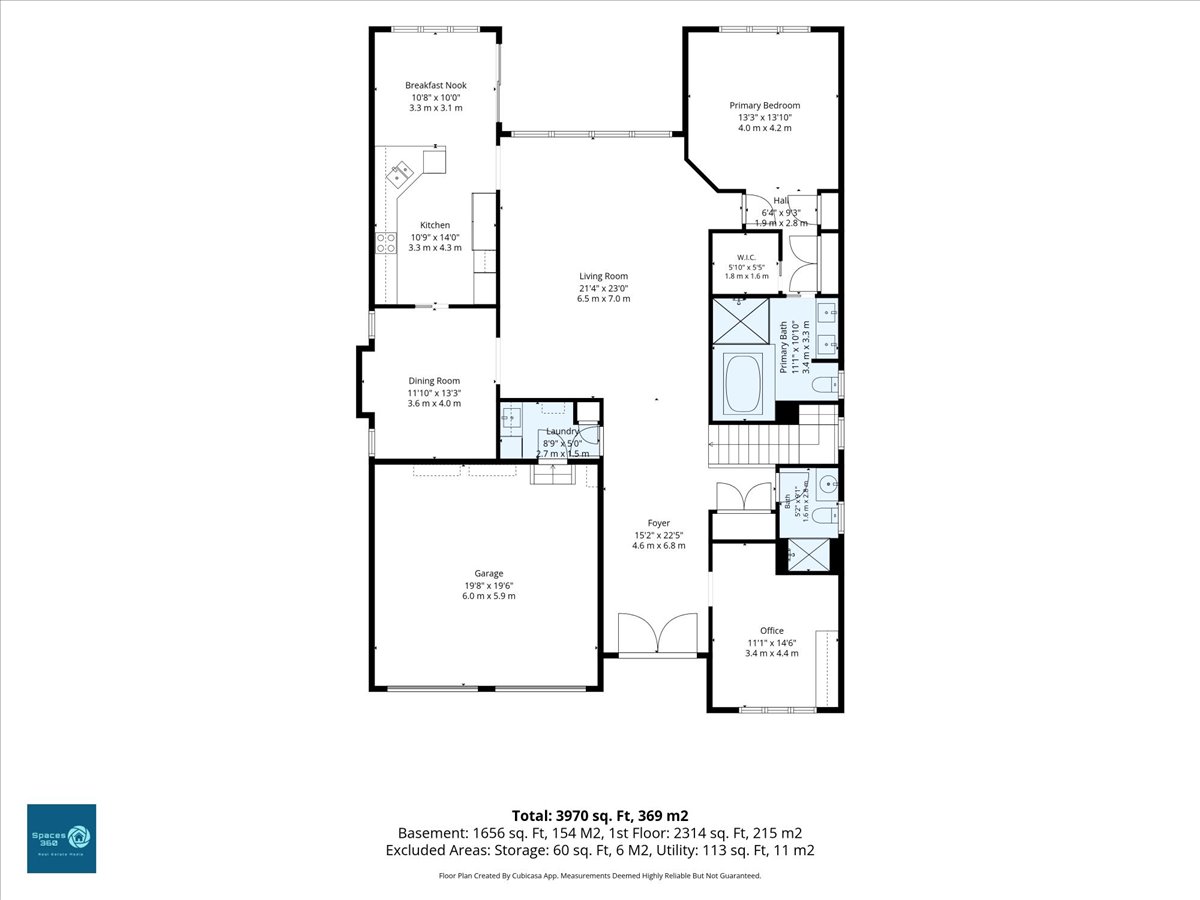
  • 88.6%  of the buyers who walked through a home viewed it online that had floor plans and a virtual tour

Wishing is not a Strategy When Selling Your Home!

When your home is for sale on MLS, you enter one of the most competitive businesses anywhere! The primary key to effectively marketing your home is identifying potential buyers.

What do you see when you pick up any real estate magazine or flyer?

The content looks virtually identical:

  • Two to six homes with a small picture of the property

  • A massive picture of a Realtor, and

  • #1 this, #1 that, or a member of so and so club.

Or (I can see your eyes rolling now!) They say honesty, integrity, we care, etc. Well, they better care, be honest, and have all that and more; it’s your home and your money!

Does a three-bdrm, two-bath, beautiful home with lovely floors wow you? A clean, good neighbourhood and close to schools put you to sleep? Like this buyer, even one of his dogs!

a sleeping buyer because real estate ads put him to sleep

Your home has a story; it is your past, and its marketing must reflect its feel and energy. Not necessarily the number of rooms.

Most people who can afford to buy a home can count!

When Marketing A Home In London, Ontario & Area To SellSome Do’s and Don’ts

Read More

Read

The Quiet Deadline Nobody Talks About When You're Thinking of Downsizing in London

There's a window of time when downsizing is entirely your decision. Most London homeowners don't realize how narrow that window is — or that waiting too long means someone else will make the call for them.

Nobody sits down and decides to let someone else control one of the biggest financial moves of their life.

It happens gradually. A health change. A fall. A diagnosis. A family meeting that starts with concern and ends with a timeline you didn't choose. Suddenly, the conversation isn't if you move — it's when, and the answer is soon, and the person driving that answer isn't you.

After 24 years of helping people to downsize,  I've sat across the table from both kinds of homeowners. The ones who planned early and moved on their terms. And the ones who waited, for reasons that made sense at the time, until the decision was no longer fully theirs to make.

The difference in outcome — financial and emotional — is not small.

The window is real, and it closes

There is a period in most homeowners' lives when all of the conditions for a good transition align: you are healthy enough to manage the process, your home is in good condition, the market is workable, and you have the mental bandwidth to make deliberate decisions.

That window doesn't announce itself. It doesn't send a calendar invite. It's just there — and then, at some point, it isn't.

According to Statistics Canada, the average Canadian homeowner over 65 who sells under unplanned circumstances — a health event, family pressure, estate situation — receives measurably less for their home than those who sell on a self-directed timeline. The stress of the situation compresses the process, and compressed processes almost always favour the buyer, not the seller.

In the London market specifically, homes that sit while families sort out logistics tend to present poorly. Deferred maintenance becomes visible. Motivated-seller signals leak into negotiations. Buyers notice.

What "waiting to see" actually costs

I hear this regularly: "We're not ready yet. We'll know when it's time."

That's not a plan. That's a hope.

The homeowners who move well are almost never the ones who timed the market perfectly. They're the ones who made the decision while they still had full control over every part of it — the price, the pace, the next home, the moving date, what stays and what goes.

A 2023 Royal LePage study found that Canadian homeowners who engaged a real estate advisor more than 90 days before listing sold for an average of 3.2% more on their final sale price. On a $750,000 London home, that's $24,000 — simply from having time to make good decisions instead of fast ones.

But the financial gap is only part of it. The homeowners who plan early also get to choose their next home thoughtfully. They're not buying under pressure. They're not settling for whatever is available the week they need to move. They find the right bungalow, the right condo, the right neighbourhood — because they had the time to look.

The conversation nobody wants to have — until they wish they'd had it sooner

I'm not writing this to create urgency for its own sake. I have no interest in pushing anyone into a move before they're ready.

What I am saying is this: there is a version of this transition that is calm, well-sequenced, and entirely on your terms. And there is a version that is reactive, rushed, and shaped by circumstances outside your control.

The only thing that separates those two versions is when you start the conversation.

Not the listing. Not the moving truck. Just a private, honest conversation about where you are, what your home is realistically worth right now in the London market, and what a move on your timeline would actually look like.

That conversation takes about 30 minutes. It costs nothing. And for most of the homeowners I've worked with, it's the moment the whole thing stopped feeling overwhelming and started feeling manageable.

If you've been thinking about this — even quietly, even just in the back of your mind — this is the right time to talk. Not because the market demands it. Because you still get to decide.

Fill out the form at enveloperealestate.com/downsizing-your-home-london-ontario.html or call me directly at 519-435-1600.

Read

Why Most Downsizing Moves in London Cost Homeowners More Than They Realize — And How to Protect Yourself

Most London homeowners who downsize without a written plan end up leaving money on the table — sometimes tens of thousands. This post explains the three decisions that determine whether your move protects your equity or quietly erodes it.

You've owned your home for a long time. You've maintained it, paid it off or nearly so, and watched it grow in value. Now you're starting to wonder: Is this the right time to make a move to something smaller?

That's a reasonable question. What most people don't know is how you answer it — and who helps you — determines whether you protect what you've built or give a meaningful chunk of it away.

Here's what I see after 24 years and 1,383 closed transactions in London: the homeowners who make this transition well almost always do two things early. The homeowners who don't almost always do the same two things late.

The decision that seems small but isn't: timing

Most people believe that spring is the best time to sell. It often is. But the more important timing question isn't about the season — it's about your own circumstances.

A 2023 Royal LePage study found that Canadian homeowners who engaged a real estate advisor more than 90 days before listing achieved an average of 3.2% higher final sale price. On a $750,000 London home, that's $24,000. Not because they did anything dramatically different. Because they had time to make deliberate choices instead of reactive ones.

When you move under pressure — health change, family push, lease expiry on a condo you already bought — your negotiating position weakens. Buyers can sense urgency, and they use it.

The right time to plan a downsizing move is before you feel you have to.

The mistake that's almost invisible: pricing your home to win your own confidence, not the market

There's something I see regularly that I want to be direct about.

Many realtors will tell you what you want to hear about your home's value. A high number feels good. It can also quietly cost you weeks on the market, multiple price reductions, and a final sale well below what a properly priced home would have achieved from day one.

Here's the data: the London market average for sale-to-asking price ratio is 97.2%. Our clients close at an average of 99.2% of list price. On a $900,000 home, that 2% difference is approximately $18,000 — real money, not a rounding error.

That spread doesn't come from luck or aggressive marketing. It comes from accurate pricing at the start, based on what London buyers are paying right now — not six months ago, and not what your neighbour believes his house is worth.

The part nobody warns you about: what happens between accepted offer and moving day

This is where most transactions quietly unravel.

The paperwork is signed. Now you need to:

  • Coordinate closing dates on two properties

  • Decide what's coming with you and what isn't — 30, 40, sometimes 50 years of accumulation

  • Manage the logistics of an actual physical move

  • Handle utility transfers, walkthroughs, and key exchanges

For most homeowners, this part is more stressful than the sale itself. And most realtors hand you a business card for a moving company and consider their job done.

I don't operate that way. But here's the thing — I can't explain in a blog post exactly how that part of the process works for your specific situation, because it depends entirely on the details: your timeline, your health considerations, your family dynamics, your financial picture.

What I can tell you is that there's a specific order to these decisions, and getting that order right is the difference between a transition that feels managed and one that feels like it's managing you.

One number worth knowing before you do anything else

According to the Canadian Real Estate Association, homeowners who downsize without a written transition plan are significantly more likely to accept a below-market offer — often under time or family pressure. That's money you earned over decades. It doesn't come back.

Before you talk to any realtor, before you go to an open house, before you call your bank — there is one conversation worth having. It takes about 30 minutes. No forms to sign, no pressure, no follow-up unless you want it.

It's a private conversation about where you are, what your home is realistically worth right now, and what a transition on your terms actually looks like.

If your home is worth $700,000 or more and you're thinking about this — even 12 months from now — this is the right time to talk.

Fill out the form at enveloperealestate.com/downsizing-your-home-london-ontario.html or call me directly at 519-435-1600. Tell me where you are in your thinking, and I'll give you a straight answer.

Read

The London Ontario Real Estate Market in May 2026 — What Every Home Seller Needs to Know Before They List

In May 2026, homes in London, Ontario, are selling for an average of 2.6% below the asking price and are sitting on the market for 25 days. In a buyer-friendly market with 4.7 months of inventory, how you price and position your home in the first 72 hours determines everything. Here's what the numbers mean for sellers right now — and what most realtors won't tell you.

If you're thinking about selling your home in London this spring, the most important thing I can tell you right now is this: the market is not working the same way it did two years ago. And if your realtor isn't talking to you about what that means specifically for your home, you're already behind.

Here's what the numbers actually say.

The Current London Market in Plain Language

According to LSTAR and CREA (Canadian Real Estate Association) data for May 2026, the average London home is selling for 2.6% below asking price, with a median time on market of 25 days. There are currently 4.7 months of inventory available — firmly in buyer's market territory, where anything above 4 months gives buyers the upper hand in negotiations.

For a seller with a $900,000 home, 2.6% below asking isn't a rounding error. That's $23,400 left on the table before negotiations even begin.

Condo sellers face an even sharper reality. Apartment prices in London have dropped 14.5% year-over-year as of March 2026. Townhomes are down 7.6%. These aren't numbers to panic about — but they do require a very different approach than listing, waiting, and hoping.

What This Means If You're Selling a House

Single-family homes are holding up better than condos — the benchmark is $617,200, with a modest month-over-month uptick. But "holding up" doesn't mean "easy." With a sales-to-new-listings ratio of 39%, buyers have choices. Your home is competing with more listings than it would have two years ago, and buyers know it.

In this environment, two things determine your outcome above everything else: your opening price and your first 10 days on market. A home priced correctly from day one creates urgency. A home priced optimistically — even by 3-4% — sits. And a home that sits loses perceived value every week it's listed, regardless of what it's actually worth.

What This Means If You're Selling a Condo

The condo market in London is experiencing the sharpest correction of any property type. A 14.5% year-over-year drop in apartment prices means the comparable sale your neighbour used 18 months ago is no longer relevant to your pricing conversation today.

This doesn't mean you can't sell well. It means your Broker needs to understand exactly which buyer pool your specific unit appeals to, what's competing with you right now, and how to position your condo to stand out in a market where buyers have options. Status certificate review, reserve fund health, and rental bylaws matter more in this market than they did when demand was absorbing everything regardless.

The One Thing Most Realtors Won't Tell You

In a balanced or buyer-friendly market, the homes that sell at or above asking price aren't the ones with the most marketing. They're the ones that were priced and positioned correctly before they went live — based on block-by-block data, not neighbourhood averages.

After 24 years of working with London homeowners, I've never seen a correctly priced, well-positioned home sit in any market. What I have seen — repeatedly — is an optimistically priced home absorb weeks of market time, require a price reduction, and ultimately sell for less than it would have if it had been positioned right from day one.

The market tells the truth. The question is whether your Realtor is listening to it before you list — or explaining it to you after you've already left money on the table.

Your Next Step

If you're thinking about selling in the next 3 to 6 months, the right time to get informed is now — before you decide on a price, sign anything, or let the market decide for you.

I offer a no-obligation 20-minute consultation that gives you a straight read on where your home sits in today's London market. No pressure, no sales pitch, and no automated estimate.

Request your no-obligation consultation →

Or call directly: 519-435-1600

Ty Lacroix is a Real Estate Broker and Strategist with The Envelope Real Estate Group in London, Ontario. 24 years of experience. Straight advice. No guesswork.

Read

The London Ontario Real Estate Market Has Shifted. Most People Haven’t.

Most buyers and sellers in London, Ontario, are making decisions based on market assumptions that are 12 to 18 months out of date. This post explains what has quietly changed — and where to get a precise picture of where you actually stand right now.

If you've been watching the London Ontario real estate market from the sidelines — or quietly planning your next move — there's a good chance the picture in your head doesn't match what's actually happening right now.

That's not a criticism. It's a pattern. National headlines describe a market. Local data tells a different story. And the gap between the two is where timing errors, pricing mistakes, and missed opportunities live.

Here's what has quietly changed in 2026.

The Market Rebalanced — But Not Evenly

London didn't crash. It didn't return to the seller's market of 2021 and 2022 either. It rebalanced — and it did so unevenly across neighbourhoods, price ranges, and property types.

City-wide, London currently sits at approximately 5.4 months of inventory. That number sounds balanced. But individual neighbourhoods tell a completely different story — ranging from 3.8 months in tighter pockets like Byron to over 7 months in segments where supply has outpaced qualified buyer demand. According to the London and St. Thomas Association of REALTORS, inventory across the region has increased 19.8% year-over-year — giving today's qualified buyers more choices and more patience than at any point in the last four years.

That spread is the entire story. Two homes on the same street, in the same price range, can produce very different outcomes depending entirely on their positioning.

What This Means If You're Considering Selling

Sellers who are pricing based on what a neighbour sold for in 2023 — or on an automated online estimate — are relying on the wrong data. In the $700,000 to $1.2 million range, properly positioned homes in established neighbourhoods are still achieving within 1 to 2% of the asking price. Homes priced on outdated assumptions are sitting, accumulating days on market, and ultimately selling for less than they would have if positioned correctly from day one.

The cost of that gap isn't theoretical. It's measurable — and it shows up on your closing statement.

What This Means If You're Considering Buying

Buyers in London's $700k+ range have more information and more patience than at any point in recent memory. The qualified buyer in this market has typically been watching active inventory for 60 to 90 days before making contact. That means the window to act on well-positioned properties is real — but the assumption that all properties have equal negotiating room is equally wrong.

Where you have room depends on property type, neighbourhood, and days on market. Where you don't depends on the same three factors. Generalizing either direction is expensive.

Waiting Has a Cost Too

For a long time, waiting felt like the safe move. In a market defined by uneven inventory and shifting buyer confidence, waiting without understanding your position can quietly cost you — fewer qualified buyers as seasons change, narrowing timing windows if your next move has a deadline, and more competition if others in your neighbourhood decide to act at the same time.

This isn't about urgency. It's about knowing exactly where you stand before conditions shift around you.

See Where You Actually Fit

The homeowners and buyers who move well in this market share one thing in common — they understood their specific position before they needed to act on it.

If you're considering selling, tracking your equity, or planning a move to London, Ontario, the starting point is a precise market position overview — not a generic valuation, not a sales call, and not a recycled market report.

You can request yours here — it takes two minutes, and there's no obligation:

See Where You Fit in the 2026 London Ontario Market

Read

Six London Ontario Neighbourhoods That Are Above Average in Real Estate Numbers That Matter

These six neighbourhoods beat the average neighbourhood in London Ontario in the following:

  • Days to Sell 

  • Average Sales Price

  • Months of Inventory

  • Sales To New Lising Ratio

The number of days to sell a home and the average sales price tell a story, and the two below really identify the market.

The Sales-to-New-Listings Ratio (SNLR) is a real estate metric that measures the balance between housing demand and supply by dividing the number of homes sold by the number of new listings over a specific period. Expressed as a percentage, it shows if the market favours sellers (high ratio) or buyers (low ratio). 

  • Seller's Market (> 60%): High demand, low supply, leading to faster sales and higher prices.

  • Balanced Market (40%–60%): Supply and demand are relatively equal.

  • Buyer's Market (< 40%): High supply, low demand, giving buyers more negotiating power. 

  • The SNLR is a "real-time" indicator of whether a market is heating up or cooling down, offering a more immediate snapshot than lagging indicators like final sale prices. It helps determine if buyers are facing intense competition (high SNLR) or if sellers are struggling to find buyers (low SNLR)

Months of Inventory in real estate measures the time it would take to sell all currently listed homes if no new homes were added and sales continued at the current pace. It indicates the balance between supply and demand, typically calculated as: Active Listings / Average Monthly Sales.

  • Low Inventory (<4 months): Seller’s Market. Fast-paced, high demand, and rising prices.

  • Balanced Market (4-6 months): A healthy market with stable prices and a good balance between buyers and sellers.

  • High Inventory (>6 months): Buyer’s Market. More choices for buyers, homes sit on the market longer, and reduced pricing power for sellers.

  • What it Measures: It tracks the speed at which the market absorbs new listings. 

Example:
 If there are 500 active listings in a neighbourhood and 100 homes sell per month, the market has 5 months of inventory (500 / 100 = 5). 

Here are the six London neighbourhoods:

If you are wondering what your neighbourhood numbers are, feel free to contact me.

Read

How Long Does It Take to Sell a House in Wortley Village and Old South London, Ontario?

Selling a property in the Wortley Village and Old South area currently takes an average of 19 days, which is 32% faster than the broader London average of 28 days. The neighbourhood operates with a low 3.7 Months of Inventory, indicating a highly competitive environment for buyers and a distinct advantage for sellers. Partnering with a dedicated Real Estate Strategist ensures that this rapid market pace is leveraged to protect your equity and maximize the return on your historic architectural asset.

The Market Math Behind Old South’s 19-Day Sales Cycle

Transitioning your wealth out of a primary residence requires precision, not guesswork. In Old South London, the data reveal a highly insulated micro-economy driven by sustained demand for the walkable, historic lifestyle of Wortley Village. Currently, homes in this specific pocket are selling in just 19 days. When compared to the 28-day average across the rest of London, it is clear that Old South properties command immediate attention.

Supply, Demand, and Your Equity

This accelerated timeline is directly tied to scarcity. Old South is currently sitting at 3.7 Months of Inventory (MOI). In real estate economics, any metric below 4 months signals restricted supply and heightened competition among buyers. Furthermore, the Sales-to-New-Listings Ratio (SNLR) in Old South rests at 41.1%, compared to London’s broader 36.8%. This data confirms that buyers are actively absorbing new listings as soon as they hit the market, consistently pushing the Sales-to-List Price ratio to a strong 97.8%.

The Strategic Approach to Asset Transition

A 19-day average days-on-market does not guarantee an effortless transaction; it highlights the critical need for absolute pricing precision. When a neighbourhood's reputation drives emotional buyer behaviour, the greatest risk to your equity is a generalized marketing approach. Unique, older homes cannot be treated like modern subdivision builds.

Successfully navigating this rapid sales cycle requires a Realtor who understands the architectural nuances of your property and the financial weight of your transition. By aligning with a neighbourhood Realtor who tracks this hyper-local math, you ensure your property is positioned to capture peak emotional demand without leaving capital on the table.

See What Is For Sale Now in Old South London and the local trends.

Read
This website may only be used by consumers that have a bona fide interest in the purchase, sale, or lease of real estate of the type being offered via the website. The data relating to real estate on this website comes in part from the MLS® Reciprocity program of the PropTx MLS®. The data is deemed reliable but is not guaranteed to be accurate.