RSS

Thinking of Downsizing in 2026?

If you’ve been saying, “This is the year we simplify,” you’re not alone. 2026 may be the perfect moment for smart downsizers to trade maintenance for freedom, stairs for convenience, and uncertainty for a clear, calm plan. And few cities deliver the blend of value, healthcare access, parks, and big-city amenities like London, Ontario.

Here’s the truth: downsizing isn’t just a smaller house. It’s a better life design—and the best results come from timing, pricing, and preparation that work together (not guesswork or pressure). That’s exactly what I help homeowners do: sell smart, buy right, and move on your schedule with fewer variables and less stress.

Why London works for downsizers

  • Choice: one-floor bungalows, townhomes with main-floor primaries, and well-managed condos across London and the surrounding area.

  • Care & connection: hospitals, specialists, and community hubs that make “lock-and-leave” living feel effortless.

  • Value: more home (or more cash in the bank) compared with the GTA—without giving up culture, dining, or green space.

How my 3-step Downsizing Program keeps things calm

  1. Discovery & Strategy – We clarify goals, timing, and the numbers. You’ll see a market snapshot and choose the right pricing strategy (in line with, ahead of, or behind the market).

  2. Right-Size Plan – We prep for impact (not waste), then shortlist the best condo/bungalow options that match your must-haves.

  3. Sell & Secure – Launch with precision, negotiate with confidence, and coordinate closing so your life—not your stuff—drives the timeline.

Ready to move from “someday” to done well? Start with my clear, no-pressure guide and page here: Downsizing Your Home in London, Ontario

On that page, you’ll find:

  • A free London Downsizing Playbook (PDF)—timelines, checklists, and sell-first vs. buy-first scenarios.

  • The market snapshot request—real numbers in plain language so you can plan with confidence.

  • A 20-minute consult—no sales pitch, just clarity and next steps that protect your equity and your sleep.

If 2026 is your year to right-size, let’s make it the year you do it calmly and confidently. I’m Ty Lacroix, a London broker who has helped hundreds of families move forward without the drama. Visit the page, grab the playbook, and let’s map your best path home.

Read

Deciding on a Price To List Your For Sale in London Ontario?

Deciding on a price to list your home for sale in London Ontario is one of the most crucial decisions you must make!  I wrote about the four core ingredients in selling a home in a previous blog. Below are some bullet points; though brief, they matter!

The Benefits Of Proper Pricing

A Quicker Sale! The right price leads to a faster sale, saving you on mortgage payments, real estate taxes, insurance, and other carrying costs.

Less Inconvenience: Preparing your home for showings and maintaining a clean property. Making arrangements for children and pets, and generally altering your lifestyle, takes time and energy. Proper pricing shortens market time.

Increased Buyer Representatives:   When salespeople are excited about a property and its price, they make special efforts to contact all potential buyers and show the property as soon as possible.

More Qualified Buyers: Pricing your home at market value will attract more qualified buyers. They have been pre-approved by a bank for a certain amount.

Higher Marketing Exposure: Buyer inquiry calls are more readily converted into showings when price is not a deterrent. Why? Home buyers know pricing; if your price is unreasonable, they won’t even look at the MLS listing.

Potentially Higher Offers. Buyers are much less likely to make a low offer when a property is priced right. Why? The fear of missing out!

The Drawbacks of Pricing a Home Too High

Less Activity: Realtors and their buyers will not visit the property if they feel the price is out of range to others on the market.

Lower Marketing Response: Buyer excitement will be directed toward other properties that offer better value.

Loss of Qualified Buyers: The property will appear to offer fewer amenities than comparably priced properties in the same price range.

Attracts the Wrong Buyer: Serious, qualified buyers will feel they should get more for their money.

Helps The Competition: The high price makes the other homes for sale look like a bargain!

The Elimination of Offers: A fair-priced offer will be lower than the asking price. Some buyers and their representatives do not want to insult the seller. Yes, buyers also have feelings! And a heart!

Appraisal Problems? Appraisers base their value on what comparable properties have sold for.

Lower Net Proceeds: An overpriced property will eventually sell for less than if appropriately priced. Not to mention the extra carrying costs.

A sign you do not want when selling a house in London Ontario

A sign that shows that pricing a home inconsistently with the market is not good!

More Home Seller Tips

Read

Guide To Help Seniors Sell Their Home

The following guide to help seniors sell their home was written by Nina Dorion, a home stager, and I am impressed with her guide, which was directed at Realtors and aligned with how my team and I work. I should note that, in some cases, home staging may not be necessary due to financial or time constraints.

I have copied its entirety below.

Ask a Stager: A guide to helping seniors sell their home

The process of selling a home is challenging for most people, but for seniors, it can feel particularly overwhelming. For many, a house is more than a property; it’s a lifetime of memories, a place where they’ve raised families, celebrated milestones and shared countless moments. 

As the agent, helping seniors navigate this journey requires not only professionalism but also empathy, patience and an understanding of their unique needs. 

So, what steps can you take to support your senior clients in preparing their homes for sale so they can transition smoothly into the next chapter of their lives?

Understanding the emotional challenges seniors face

For seniors, selling their home often means leaving behind a long history filled with personal memories. Unlike younger sellers who may be ready for a new adventure, seniors are typically entering a downsizing or retirement phase, often due to health or financial reasons, or simply the desire to live in a more manageable space.

Approach each conversation with empathy, acknowledging that the process can feel like a loss. Open communication is essential; listen to their concerns, answer questions thoughtfully and avoid rushing them into decisions. Respecting their emotions and sensitivity to their needs can help build trust, which is crucial to a smooth experience.

1. Explain how the selling process has changed over the years

Seniors may not have sold a home in decades, so it’s essential to explain how the selling process has evolved. In past decades, selling homes was simpler, with fewer digital elements, less staging, and a more localized market. Today, buyers’ expectations are higher due to online listings, virtual tours, professional staging and high-quality photography.

Explain that these changes are designed to maximize their home’s appeal and increase its market value. Show them that these enhancements can lead to quicker sales and potentially higher offers, benefiting them in the long run.

2. Help them focus on decluttering and simplifying

Many seniors have accumulated belongings over a lifetime, making decluttering a daunting task. Before beginning the decluttering process, suggest that they take time to have a meaningful conversation with loved ones about items they would like to keep or be gifted. This way, they can feel confident that cherished belongings are going to those who will truly appreciate them, making the decluttering process smoother and less overwhelming. 

Have them start with one room at a time, setting small goals to avoid feeling overwhelmed. As their agent, you can guide them by suggesting they keep essentials and items of sentimental value while discarding, donating or gifting other items. 

For many sellers in this demographic, the downsizing and decluttering process can be time-consuming and emotionally taxing, especially if they’re attempting it on their own. Recommending a professional downsizing service can make a world of difference. These specialized companies not only offer hands-on assistance but also provide compassionate support to help ease the emotional weight of parting with belongings. They can significantly reduce the stress involved and ensure that cherished items are carefully handled and organized.

3. Recommend minor repairs and updates to boost value

Explain that minor repairs can make a big difference in how potential buyers perceive a property. Over time, small maintenance items may have gone unaddressed and fixing these can enhance the property’s overall appeal.

Recognize that senior clients may be working with a fixed income, which can make it challenging to fund home improvements that could significantly increase the sale price of their property. Explore creative solutions to help them access funds for these essential updates. 

Realtors know small but impactful improvements like a fresh coat of paint, updated lighting, and a clean-up of the front and back gardens can enhance a home’s value without requiring a full renovation.

4. Professional staging: Making the home appealing to buyers

Staging can be a game-changer when selling a property, as it helps prospective buyers visualize the home as their own. However, some seniors might find the idea of staging intrusive or unnecessary. Explain the benefits of staging in terms of creating a warm, welcoming atmosphere that appeals to a broader audience.

It’s important to emphasize that staging can often help homes sell faster and for a better price. Reassure your clients that staging doesn’t remove their home’s charm but instead enhances its potential by highlighting its best features.

Partner with a staging firm experienced in working with seniors and skilled in compassionate, clear communication. A team that understands the unique needs of senior clients can help make the staging and selling process feel supportive rather than overwhelming. 

5. Consider their comfort during showings

One of the unique challenges seniors face is the inconvenience of regular showings. Constantly preparing their home and leaving for showings can be tiring and disruptive, especially for those with mobility challenges or health concerns.

In this instance, arrange showings in blocks or set specific times to minimize disruptions. Prepare and provide a simple checklist for your clients, with reminders to tidy up quickly, check lights and hide personal items before showings. Better yet, show up in the early days of the listing to help them and guide them through the process to reduce the stress and overwhelm.

6. Educate on the market and set realistic expectations

Older homeowners may have outdated expectations about their property’s value, so providing a market analysis and realistic expectations is crucial. Avoid overwhelming them with data; instead, present a simple comparative market analysis to explain what similar properties in the area are selling for.

Explain that the market can be influenced by many factors, such as location, condition, and buyer demand. Set realistic expectations about the selling timeline and potential offers, as this can help prevent disappointment and frustration.

7. Support and follow-up after the sale

After the home is sold, offer to help connect them with reputable moving services who understand the needs of seniors, and offer support for their transition into their new living situation. Reach out to ensure they’re settling in comfortably and ask if they need additional help. This gesture of ongoing support builds trust and fosters long-term relationships. Plus, it can lead to referrals from family members and friends.

Ready to make a move?

Whether you’re downsizing, relocating to be closer to family, or making a change for health or financial reasons, I’m here to help.

With over 24 years of experience in the London, Ontario real estate market, I’ll guide you through every step — with clarity, care, and proven results.

Let’s connect today and get your home sold — smoothly and confidently.

Read

Why Do Some Homes in London Ontario Take Longer To Sell?

Have you ever wondered why some homes in London, Ontario, sell quicker than others? For more money?

  •  1% of houses are sold from Open Houses. Only if applicable, if thorough marketing and planning have been done for prospective buyers. Do not put out the open house sign at 1:00 PM on Sunday for a 2-4 Open House! Otherwise, the only people who go to open houses are looky-loos, nosy neighbours, or tire-kickers.

open house
  •  4% of houses are sold through newspaper or real estate publication advertising. These are called tombstone ads for a reason!

  •  6% of homes are found by buyers themselves, or by the seller finding buyers themselves, such as a neighbour, relative, or someone at work.   Usually, one party or the other hires a Realtor to handle the paperwork.

  •  89% of homes are sold through the Multiple Listing Service when listed with a real estate brokerage – providing proper terms and an accurate market price.  Yet 19.7% of homes listed, regardless of the market, do not sell!

searching homes for sale in London Ontario online

Keep in mind, some just list homes, not sell them! A huge difference

How many Realtors sell real estate?

According to CREA (Canadian Association of Realtors), 7% of Realtors do 80% plus of the total real estate business nationwide! Good old Pareto’s 80/20 law. For example, if you had 100 homes for sale, seven Realtors would sell 80 homes, and 20 would divide the sale of seven homes among themselves!

That’s hard to do!

In today’s real estate market, the Realtor makes the difference if your home sells!

A real estate company’s size or name has little to do with selling your home or any other property. Yes, some companies sell hundreds of homes, but also have hundreds of Realtors. The average number of homes sold per Realtor is usually abysmal.

Do you think a home buyer cares what company name is on the sign, its colour, or its ego picture?

Choose wisely!

Read

The Best Time to Sell Your London Home is NOT When You’re Ready!

If you’re a long-time homeowner in London, Ontario, you know the comfort of a familiar house, friendly neighbours, and a lifetime of memories. For many, the thought of selling only comes up when you’re “ready”—but based on my two decades working with seniors, I’m here to tell you that waiting for that moment is often the saddest and costly mistake you can make.

The hard truth is that the best time to move is when you have choice, control, and equity, not when time and complex challenges force your hand.

The London Downsizing Dilemma

You are comfortable now, and that’s wonderful. But what happens if you need sudden, expensive renovations to maintain your independence? Or, if a health change makes it impossible to manage the stairs or the yard? We’ve all seen good neighbours wait until it’s too late, forcing a rushed sale during a stressful time and often losing control over both timing and money.

You deserve to transition to your next chapter with joy and peace of mind, not panic.

The unique London, Ontario market, especially in cherished neighbourhoods like Lambeth, Byron, or Old South, gives you a decisive advantage right now. Your house is a valuable asset that can be unlocked to secure your future. Instead of waiting for the moment, you must move. Let’s look at the best time to move. When you are independent, financially strong, and excited about a smaller, safer, and less-maintenance lifestyle.

Secure Your Future, On Your Own Terms

As a real estate broker in London, Ontario, my goal is to help you move from your current home to a townhome, condo, or apartment that gives you greater independence, whether that means enjoying what you like to do or simply having a comfortable, single-level space to manage.

Selling is not about giving up your independence; it’s about making a deliberate choice to preserve it.

If you are asking when to sell your family home in London, Ontario, the answer is now, while you have the energy to declutter before selling your London house.

Don’t wait until the decision is made for you. Let’s explore your options today to ensure your next move is dictated by your goals, not by crisis.

Continue Reading: Downsizing Your Home in London Ontario

Read

The Critical 10-Day Countdown: Maximize Your Home To Sell in London, Ontario

The journey of selling your home in London, Ontario, often feels like a long process, but the truth is, the success of your entire sale hinges on just a handful of critical days. In a competitive market, you don’t get a second chance to make a first impression. That’s why every seller needs to master the 10 most important days—from initial preparation to the final offer.

By focusing your effort, time, and resources on these key moments, you can significantly reduce your time on the market and secure the highest possible price for your property.

real estate tips

Days 1-5: The Strategic Preparation

These are the days when money is made. Buyers in London are looking for move-in-ready homes, and meticulous preparation pays off.

Day 1: The Valuation & Strategy Meeting. This is when you hire your Realtor. This is more than just getting a price estimate; it’s about creating a hyper-local strategy. Your Realtor should come prepared with:

  • A comparative market analysis (CMA) of recently sold properties in your neighbourhood.

  • A clear, data-driven pricing recommendation.

  • A detailed timeline of all necessary pre-listing activities (cleaning, staging, photography).

Day 2: Declutter, Depersonalize, and Repair. Buyers need to envision themselves in the space, not you. Spend this day ruthlessly removing personal items (photos, trophies, collections) and minimizing furniture. Execute small, high-impact repairs, such as fixing leaky faucets, patching drywall holes, and replacing burnt-out light bulbs.

Day 3: Deep Cleaning and Staging. A professional deep clean is non-negotiable. Focus on kitchens (appliances, cabinets) and bathrooms. After cleaning, apply simple staging principles: fresh towels, organized pantries, and a clean, neutral aesthetic. Staging helps showcase the room’s potential and makes photos pop.

Day 4: Professional Photography & Video High-quality listing photos are your most powerful marketing tool. This is not the time for amateur phone pictures. Professional photos and a 3D virtual tour or video walkthrough are essential for capturing buyers who start their search online.

Day 5: Write the Compelling Listing Description. Work with your Realtor to craft a description that tells a story, highlights key features (e.g., proximity to parks, specific school zones, upgrades), and focuses on the emotional benefits of living in the home.

Days 6-9: The Critical Launch Period

The first week your home is on the market dictates the momentum of your sale. This is where demand is highest.

Day 6: The Official Launch (Go-Live Day). Your home is added to the London & St. Thomas Association of Realtors (LSTAR) MLS system. Every marketing element—photos, video, description—is flawless. All your Realtor’s pre-marketing efforts (social media previews, “coming soon” signs) pay off today.

Day 7 & 8: Showings and Open Houses. These days are designed for maximum visibility. The goal is to generate as many showings as possible. Keep the home immaculate, ensure all lights are on, and consider leaving for the day. An optional weekend open house can capture potential buyers who are not actively working with a Realtor.

Day 9: The Brutal Truth. There is no indication of any offers. Or, only one or a low-ball.

Day 10: The Negotiation and Acceptance

This is the day you convert interest into equity.

Day 10: Strategic Negotiation A strategic negotiation comes into play! This is not just about the highest price; it’s also about the best terms:

  • Closing Date: Does it align with your next move?

  • Conditions: Are the offers firm (no financing or inspection conditions)?

  • Deposit: Is the deposit substantial?

Your Realtor’s negotiation skills and financial integrity are paramount in ensuring you get the maximum value while protecting you from contingencies.

The Takeaway

The bulk of your effort needs to be front-loaded. By executing a flawless strategy during these ten critical days, you maximize buyer excitement, generate competitive pressure, and significantly increase the likelihood of a fast, highly profitable sale.

Those 10 days most London sellers ignore (and why it costs them thousands)

Ready to see how a precise 10-day plan can transform your home sale?

Learn what you might want to do five days before the home goes on the market and the next five days are so important!

Read

How to Sell Your Home in London, Ontario With Confidence and Maximum Value

Selling your home is one of life’s most significant financial and emotional decisions. In London, Ontario’s fast-moving market, the difference between a smooth, profitable sale and a stressful one often comes down to preparation, strategy, and the Realtor you choose. At The Envelope Real Estate Group, we call this process The Seller’s Journey—a proven roadmap that guides you from “thinking about selling” to “sold and moving on.”

Step 1: Discovery & Consultation
It starts with an honest conversation. We discuss your goals, timing, and expectations, and provide a clear understanding of today’s market and your home’s value.

Step 2: Pricing Strategy
Overpricing leads to stagnation. Underpricing leaves money on the table. We strategically position your property to attract motivated buyers and secure strong offers.

Step 3: Preparation & Presentation
Minor improvements can mean significant returns. From staging advice to professional photography, we help your home shine—without pushing unnecessary upgrades.

Step 4: Marketing & Exposure
Your home gets more than a listing—it gets a launch. With professional photos, targeted campaigns, and buyer networks, we maximize exposure where it counts.

Step 5: Negotiation Power
This is where decades of experience matter most. We negotiate hard, but fair, ensuring you walk away with the best possible terms and price.

Step 6: Closing with Confidence
We coordinate with lawyers, lenders, and inspectors so every detail is handled. You’ll always know what’s happening and what’s next.

Step 7: After the Sale
Our relationship doesn’t end at closing. Whether you need movers, contractors, or market updates years from now, you can count on us.

Your personalized Home valuation by Ty Lacroix

Thinking of selling your home in London, Ontario? Let’s discuss your goals and develop a plan that works for you.

Contact Ty Lacroix Today and See Why Not All Realtors Are The Same!

Read

Why the First 21 Days Can Make or Break Your Home Sale

The truth is… your listing doesn’t get unlimited chances. It gets a golden window—the first 21 days. That’s when the most motivated, pre-approved buyers in London, Ontario, are watching. They’ve seen everything else. They’re waiting for the one. If your home launches firmly, you win. If it launches weak, you chase.

Why those 21 days?

  • Algorithms push “new.” Real estate portals and social feeds boost fresh listings.

  • Buyers move fast. Serious buyers have their cheques ready. They book showings in week one.

  • Momentum matters. Early views and offers create competition. Competition creates price.

Here’s how we use that window like a pro:

1) Price “at the market.”
Not behind. Not ahead. At. That’s how you spark activity, create urgency, and invite strong offers. Price cuts later scream, “What’s wrong with it?”

2) Presentation that stops the scroll.
Pro photography, video, floor plans, clean staging, bright lighting, and concise copy. No clutter, no guesswork. Buyers shop on phones. Make it pop.

3) Promotion where buyers actually are.
Targeted online ads, social boosts, retargeting, email to hot buyers and agents. Maximum exposure on day one—not day 30.

A simple 21-day cadence:

  • Days 1–3: Launch big. Flood the zone. Book showings.

  • Days 4–7: Maintain high energy levels. Collect feedback.

  • Days 8–14: Nudge fence-sitters. Highlight strengths.

  • Days 15–21: Adjust strategy, not standards—fresh angles, new copy, new audiences. If the market speaks, we listen smartly.

Before launch, do this:

  • Minor repairs done.

  • Paperwork ready.

  • Dates planned (no surprises).

  • Exterior shines. Interior breathes.

Miss the golden window and your home risks going stale. Stale listings invite bargain hunters. And bargain hunters do not pay a premium.

Want your first 21 days to count? I’ll build you a 21-Day Launch Plan that turns attention into offers—and offers into a result you’re proud of.

Because not all Realtors are the same.

Read

The #1 Mistake Home Sellers Make (And How It Costs Them Thousands!)

The truth is… most home sellers don’t lose money because of the market. They lose money because of a decision they didn’t even know they were making.

Here it is: pricing your home wrong from day one.

If you price behind the market—hoping buyers will “make an offer anyway”—you’ll sit, you’ll wait, and you’ll end up chasing the market down. Price cuts attract bargain hunters, not serious buyers. It’s like putting out a “garage sale” sign on your biggest asset.

If you price ahead of the market—trying to squeeze out every penny—you’ll scare away motivated buyers who think you’re unrealistic. Meanwhile, your golden window of interest (the first 10–21 days) closes, and your leverage slips away.

But if you price at the market—with strategy, not guesswork—you create competition. Competition creates urgency. Urgency creates top-dollar offers. And that’s where sellers win.

the 3 pricing strategies

The best part? A strategic price doesn’t mean you “settle.” It means you play chess while everyone else is playing checkers. And in this market, you can’t afford to gamble with your nest egg.

If you’re thinking of selling in the next 6–12 months, let’s talk. I’ll show you how to position your home so it doesn’t just sell—it sells for maximum money, with minimum stress.

Thinking of selling in London, Ontario? Don’t gamble with your biggest asset.

The truth is… every home only gets one chance to make the right first impression. Whether it’s pricing, timing, or marketing—getting it wrong can cost you thousands. Getting it right can change everything.

That’s where I come in. I’m Ty Lacroix, Realtor & Team Leader of The Envelope Real Estate Group. My sellers get strategy, not guesswork. Results, not excuses.

Want to map out a winning game plan?

Because not all Realtors are the same.

Read

Want To Know Why Some Homes in London Ontario Are Not Selling?

This is a true story about why some homes in London Ontario are not selling. In this story, out of eight properties visited over two days, seven did not get an offer, and one did, not good odds!

I showed a couple looking for a detached bungalow house in London, Ontario, between $650,000 and $850,000, eight on a Saturday and returned on Sunday to see two of the eight that had their interest.

I have not included addresses or names to protect the guilty, the innocent or the unaware!

On Thursday and for a few hours on Friday, I researched ten houses they wanted to see, including their selling history, days on the market, and any price reductions or increases. Additionally, the sales history of similar houses in the neighbourhood over the last six months, including those that sold, those that did not sell, and those that were taken off the market.

Note: All were in desirable neighbourhoods in London Ontario. Two Realtors did not respond to my request to show! I guess they were too busy!

House 1: It had pleasing curb appeal. Some lights did not work (either due to electrical or faulty light bulbs), and a few minor touch-ups were required, but the house was in move-in condition. It was priced right for the neighbourhood and condition.

House 2: Decent curb appeal, but the house was untidy (reasonable because it appeared there were young children), the back yard was untidy, and it was overpriced by $50,000 to $75,000. There was also no nice flow through the house.

House 3: It has decent curb appeal and a nice backyard. The price has been reduced twice, and it has been on the market for 76 days, but it is still overpriced!

Patience, Patience and More Patience

House 4: The key did not work. I called the listing Realtor, and her spouse came to open up. He said the lock was frozen, but they had not unlocked the second deadbolt and did not leave the key for it. The house was a flip, and while the improvements were well done, they did not consider what home buyers wanted in 2024 and 2025: a primary bedroom with walk-in closets and a primary ensuite. Yes, they would have created a two-plus one-bedroom home instead of three small bedrooms plus one in the lower level—still, $50,000-$75,000 for lipstick on a pig.

House 5: A total disaster, and I am being kind, a good $100,000. It had been on the market for 81 days, had been reduced three times, and was handled by the second Realtor.

House 6: We were there fifteen minutes early. I knocked on the door, and the person who answered was not very pleasant and told me to come back. Even though it was snowing, at minus 8 degrees Celsius, we did. The house needed many updates and had been on the market for over six months, and we were given grief for showing it. Hmmm, I guess buyers must be a nuisance!

House 7: Only 9 years old, with excellent curb appeal and vacant; it was hard for the buyers to envision where their furniture would fit. There were quite a few touch-ups to be made; it seemed that whoever cleared the house out was in a hurry. This was slightly above the buyers' $850,000 range and showed well—the marketing brochures featured glamorous photos of the real estate team, with little information about the house. Buyers want to know more about a property than about the Realtor’s egos.

The Home Seller Was Present

House 8: It had great curb appeal; however, the interior was very dark. The owner was present and somewhat confused about our presence, but pleasant, and remained in the living room while we attempted to turn on all the lights, open the curtains, etc. There was a large patchwork on the basement ceiling, most likely caused by a leak somewhere in the kitchen. It is still a consideration due to price, style, and location.

what, why, where

In Summary

We saw eight houses between 10:30 and 4:30 that Saturday. After seeing eight properties, they were tired, having flown in from the States the day before. However, they asked if they could return on Sunday to see houses #1 and #8 again.

The results

We saw house # 8, and guess what? The homeowner was there again, unaware that we had a confirmed appointment. She was kind enough to let us and my clients felt uncomfortable the second time with her there again. A very pleasant lady, my clients asked why the listing Realtor did not even attempt to be present, turn on all the lights, open the blinds, and let us know when and why the leak occurred and whether it was repaired.

We saw house #1 around noon. I called the listing Realtor about the age of the roof and the furnace, and she responded promptly! I had brought a light bulb to see if the lights worked. They did; it was burnt-out light bulbs, not the electrical. We offered that afternoon; my clients flew back to the States. On Monday, our offer was accepted without conditions, and everyone involved was happy.

In Closing:

I understand that home sellers want to get as much money as possible. Yet the brutal truth is that price dictates when, how quickly, and how much the home sells for. During COVID, my granddaughter could have plopped a sign on a lawn and sold a home with twenty-plus offers. Today, plopping a For Sale Sign on the front lawn does not guarantee a sale!

I understand that home sellers want to or have to pay off a few debts or rearrange their finances. However, what a reasonable home buyer is willing to pay and the market’s supply and demand determine the price.

Real estate agents are either transactional or transformational. It is in the best interest of both the home seller and buyer to know which type they are.

Realty and the brutal truth, in most instances, are not what a home seller wants to hear or do. Now, you know why some houses and condos take longer to sell!

The End

Read

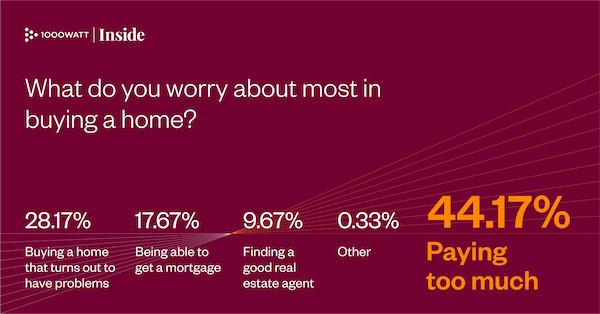
What Concerns You The Most About Selling Your Home in London, Ontario?

In a recent national survey of thousands of home sellers, they were asked, “What did you find most challenging or stressful about selling your home?”

  • 13% preparing their home for sale

  • 10% dealing with a Realtor

  • 9% of the paperwork

  • 7% open houses

  • 20% uncertainty of whether their home will sell or not

  • 41% of the negotiations involved back-and-forth discussions. Was their realtor strong and skilled enough to handle the process?

London, Ontario Home Seller Concerns

This is an unofficial compilation of concerns I frequently hear from clients and prospective sellers.

  • Price (Not surprisingly, almost everyone!)

  • Showing the home (Keeping the place tidy and show-ready, and managing the disruption of leaving the home or packing up the kids or pets).

  • Safety and security for those viewing the home.

  • Buyers Qualifications

  • Closing costs

How Do Buyers Know About a House or a Condo in London, Ontario & Area Is For Sale?

looking on a mobile phone of homes for sale in London Ontario

In 2023, 96.7% of homes sold were previewed by buyers on websites, either through Realtors’ sites, MLS, or social media! In 2025, 100%!

It is becoming increasingly easier every year to search for homes for sale from any device, anywhere, at any time!

Knowing the above numbers and how buyers find your home among competing listings will help you make informed decisions. Ensure that your home stands out & gets noticed!

Virtual tours of your home should be compatible with desktops, tablets, or handheld devices. Floor plans and 3-D work well.

Social media, blogs, and multiple websites expose your home to a broader audience of buyers.

See our home sellers guide for some great tips and ideas

Which of the following three online searches would you prefer?

44% of the buyers who walked through a home viewed it online

looking ar real estate in London Ontario online

Sixty-seven percent of buyers who walked through a home had viewed it online and taken a virtual tour.

they like the virtual tour Ty did of their home

88.6% of buyers who walked through a home had viewed it online, which had floor plans and a virtual tour.

Strategic presentation tools differentiate between a buyer who sees and potentially buys a home and a buyer who merely deletes it from their search.


The Five Letter Word That Matters The Most: ‘Price’

London and Area Home Sellers: You Only Have 3 Pricing Strategies — Which One Are You Choosing?

When it comes time to sell your home in London, Ontario, your pricing strategy will make or break your results. And no matter the market—sellers, buyers, or balanced—every seller has just three choices:

Price At the Market
Price Behind the Market
Price Ahead of the Market

Let’s break each one down, so you can decide which approach works for you, and what the consequences are.

Read More and Sell For More!

Read

What Is Stalling The London Ontario Real Estate Market?

What is stalling London, Ontario home sales, and how can you take advantage of this market, whether you are a buyer or a seller?

BMO Capital Markets has been transparent about what is holding back the real estate market: the spread between what sellers want and what buyers are willing to pay.

At the bottom of this blog, I will articulate the best I can how this will affect you if:

  • You don’t care what the market does.

  • You are thinking of selling.

  • You are thinking of buying.

  • You are thinking of buying and selling.

  • Your home is for sale now.

Robert Kavcic, senior economist, describes it as a “wide bid-ask spread” that has prevented the market from clearing, leaving listings to languish. The only durable remedy is to close that gap.

There are three theoretical ways to achieve it.

  • The first is forced selling, which would require a deep recession, rising defaults, and job losses, a scenario neither imminent nor desirable.

  • The second is a substantial drop in mortgage rates to the low three-percent range, requiring a roughly 100-basis-point cut from current levels. That path is considered improbable in the near term.

  • The third is price reductions. BMO regards this as the most realistic outcome. RBC reaches a similar conclusion, noting that moderating prices in several regions have delivered the most remarkable affordability improvement in three years, encouraging more buyers to act.

Property Valuations

 Price Movements Are The True Lever Of Affordability

In the current interest rate environment, the arithmetic of affordability favours price declines over marginal rate cuts. Consider a $700,000 home with 20 per cent down, a 25-year amortization, and a five per cent mortgage rate. A five per cent drop in price reduces monthly payments by approximately $165. By comparison, a 25-basis-point rate cut on the same home saves about $58 per month.

The implication is straightforward: in the near term, further price moderation will have a greater impact on unlocking demand than incremental moves by the Bank of Canada.

Daniel Foch wrote: “September’s influx of new listings will test the market’s resolve. CREA (Canadian Real Estate Association) highlights this as a pivotal moment, when the balance between buyer demand and seller supply could either sustain recent gains or compel further price concessions.”

He further wrote: “The outcome matters because the recent lift in sales reflects opportunity rather than exuberance. With mortgage rates still high, price adjustments have been, and will remain, the most powerful lever for unlocking demand. In many major markets, values have eased just enough to restore some affordability, drawing sidelined buyers back into the market. “

a couple thinking of buying a home in London Ontario

How This Will Affect You

You Don’t Care What The London Ontario  Real Estate Market Does!

The real estate market affects everyone, from tenants and landlords to developers, as well as the commercial and industrial workforce, and affordability. Even if you have no intention of buying or selling, your wealth or poverty status is irrelevant. You don’t have to guess what drives interest rates, population growth or decline or demographics.

Reality is neutral.

You Are Thinking Of Selling.

You have two choices: price to sell or price to sit.

Thinking Of Buying.

The smartest move in a London, Ontario Buyer’s market is to buy now! 

You Are Thinking Of Buying And Selling.

What you can buy for and sell for is the spread, a few synonyms: unfurl, broaden, expand, proliferation, advance and reach your net worth!

Your Home Is For Sale Now.

Your pricing strategy will make or break your results. And no matter the market—sellers, buyers, or balanced—every seller has just three choices:

  1. Price At the Market

  2. Price Behind the Market

  3. Price Ahead of the Market

What are the consequences?

Wondering What To Do?

Sell, buy, stay, sit, guess?

Allow me to help you understand the London Ontario real estate market


Read
This website may only be used by consumers that have a bona fide interest in the purchase, sale, or lease of real estate of the type being offered via the website. The data relating to real estate on this website comes in part from the MLS® Reciprocity program of the PropTx MLS®. The data is deemed reliable but is not guaranteed to be accurate.