London Ontario Real Estate. No Fluff. No Sales Pitch. Just the Truth.

 Written by Ty Lacroix — Real Estate Strategist & Broker, London Ontario 

RSS

Updating Your Home Before Selling?

Have you been considering updating your home before selling in London, Ontario, and wondering whether it is worth it?

Some updates to your London, Ontario home make sense or should I say, make dollars? Are you worried about spending wisely, getting your money back, and more?

 The most important question to ask yourself is: How long am I going to stay here? 

If you plan to stay a while, remodelling for your comfort and long-term enjoyment is very different from modernizing to make your home look better for sale. Some remodelling projects take much longer to deliver a good return on your investment.

Updating the kitchen and bathrooms or installing a new roof is always valuable. Excellent choices, such as flooring or paint, are remodelling projects that return almost 100 percent of their cost in value to your home.

The average return within one year of the remodel varies by project size.  Major kitchen remodelling averages 71 percent, a family room addition 77 percent, a primary bedroom and ensuite 83 percent, and windows 68 percent.

Remember that you may sell your home someday, so make wise decisions when updating it. You may want to weigh the up-front cost of the project against its usefulness and added value to your home.

If you are considering selling or buying a home in London, Ontario, there are pros and cons to consider when it comes to renovations and getting the best return on your dollar. Another huge consideration is the timing, not only yours but also lining up materials and contractors and allowing for Murphy’s Law.

Time and again, when I show, or list homes, some or all of these tips would have dramatically accelerated the sale and allowed the seller to receive more money.


Over the years of working with hundreds of home sellers and buyers, the little things a buyer sees may be the stumbling block in making an offer on your home. You have only one chance to make an excellent first impression on homebuyers!

I have personally gone through major renovations on my place, and I learned a alot! I thought I knew all the pitfalls and misconceptions of hiring tradespeople, but I didn’t.

If you are planning to update your home to sell over the next few months, allow me to offer a few suggestions that will surely save you time, money, and most likely, frustration.

Read

What Home Improvements Actually Increase Your London Ontario Home's Value

Not every home improvement pays you back when you sell. Some — like a fresh coat of paint or a modest kitchen refresh — return far more than they cost. Others, like custom windows, a swimming pool, or elaborate landscaping, often cost sellers thousands, with little to no recovery at closing. One London couple spent $70,000 trying to make their home "perfect" before selling and still received an offer $36,000 below their asking price — because the money went toward things buyers don't actually pay for. Knowing the difference before you spend a dollar is what protects your equity.

Every year, homeowners in London, Ontario unknowingly leave thousands of dollars on the table when they sell — not for the reason most people assume. They lose it because they spend money on the wrong improvements, or they fail to make the small, inexpensive fixes that actually return the most value.

Not all repairs are equal. Some inexpensive fixes generate many times their cost in added home value. Others — costly, well-intentioned improvements — return little or nothing at closing. Knowing which is which, before you spend a dollar, is the difference between improving your equity and quietly eroding it.

The Trap Most Homeowners Fall Into

There are two ways to approach home improvements: spend on your home because it's where you live and you want it to feel right, or spend strategically because you're preparing to sell. You rarely get both at once — and many homeowners trip over exactly this distinction.

Consider a real example. A London couple purchased their home for $690,000 a few years ago. Over time, they spent more than $70,000 making it the home they wanted to live in. When they listed it for sale at $835,000, their best offer came in at $799,000 — $36,000 below asking, and well short of what their renovation spending might have suggested.

Their mistake wasn't spending money. It was spending it on things that mattered to them personally but weren't what buyers actually pay for. Spending $70,000 on a home doesn't automatically add $70,000 — or anything close to it — to its market value. Improvements have to align with what the market rewards, not just personal preference.

What Actually Pays Off

Painting. This is consistently one of the highest-return improvements available. A professionally painted interior recovers close to its full cost—and that's before accounting for the bigger benefit: a freshly painted home tends to sell faster, saving thousands in carrying costs, interest, and taxes during the listing period. If you're choosing where to spend limited dollars, fixing cracked front steps and painting the entry and front door usually beats addressing less visible structural issues.

The kitchen. For most buyers, the kitchen is the emotional centre of the home — which means it carries the most profit potential of any room. You don't need a full remodel to capture this value. Refreshing cabinets through sanding, staining, or painting, replacing dated hardware, and updating the sink and fixtures can transform the room's feel for a modest cost.

Decks and enclosed patios. Most exterior projects underperform, but this is the exception. A deck or enclosed patio typically recoups at least 90% of its cost in added value — especially valuable if you'll be living in the home for a few more years before selling.

An extra bathroom. A second bathroom typically pays for itself. A full bathroom addition with quality finishes adds more value to a home.

What to Leave Alone

Replacing windows and doors. Even energy-efficient upgrades typically return only 36% to 53% of their cost — a poor ratio compared to most other improvements. By contrast, roughly $1,280 spent on caulking and insulation can yield over 70% in return. The exception is genuinely failing windows that are old and leaking — replace those, but stick to standard sizes. Custom shapes, bays, and bows that aren't visible from the street are money spent for your own enjoyment, not for resale value.

Swimming pools. Pools carry little resale value in most markets, including London. They turn off more buyers than they attract, largely because of ongoing maintenance costs and liability concerns. Think carefully before investing in a pool purely to increase your home's sale price — it rarely works that way.

Elaborate gardens, walls, and fences. Extensive landscaping is one of the biggest money losers in home improvement. Most buyers weigh the time and cost of maintaining elaborate grounds rather than being drawn in by them. That said, landscaping that's noticeably behind the rest of the neighbourhood can work against you by making your home feel like the weak link on the street. The goal is to stay in harmony with what's typical in the neighbourhood — not to lead the neighbourhood in landscaping investment.

Purely functional or structural work. Here's an uncomfortable truth: many of the improvements that make the most difference to your day-to-day comfort as a homeowner deliver the least in resale value. A new plumbing system improves living in the home, but rarely recoups its cost unless you stay long enough to enjoy it yourself. That said, when something genuinely fails — a water heater, an HVAC system, a foundation issue — you don't have a choice. Fix what's broken. Just be cautious about proactively replacing something that isn't.

The Bottom Line

Spending money on your home before selling isn't inherently good or bad — it depends entirely on where that money goes. The improvements that align with what buyers actually value return real money at closing. The ones that reflect personal taste, no matter how well executed, often don't.

If you're getting ready to sell in London and want an honest read on which improvements are worth your time and money — and which ones to skip entirely — that's exactly the conversation to have before you spend a dollar.


Know what's actually worth fixing before you list. Reach out for a private conversation and let's walk through your home together. No pressure, no pitch.

For the complete selling framework: How Selling Your Home Actually Works in London, Ontario

Read

Pricing a Home To Sell in London, Ontario

In London, Ontario, pricing a home to sell far outweighs pricing it to sit on the market and hope.

  •  A Quicker Sale: This means you save on mortgage payments, real estate taxes, insurance, and other carrying costs.

  • Less Inconvenience: When your home is on the market, your lifestyle and schedule will change. Examples include preparing your home for showings and making arrangements for children and pets. Proper pricing shortens market time.

  •  Realtor Excitement: When real estate salespeople are excited about a property and its price, they are motivated! They make extra effort to contact potential buyers and show the property whenever possible.

  • Exposure to More Buyers: Pricing your home at market value will attract more qualified buyers.

  • More Eyes on Marketing: Buyer inquiries are converted into showings.

  • Reasonable Offers: Buyers may fear losing out on a great value.

Now What?

Further Drawbacks Of Not Pricing a Home Correctly!

  • Fewer Showings: Realtors and buyers won’t visit the property if they perceive it as overpriced.

  • Helping Your Competition: Buyers will visit other properties that offer better value or that they think they do.

  • Buyers Can’t See the Value: Your home may appear to have fewer amenities than comparable homes in the same price range.

  • Outside Appraisal Challenges: Appraisers must base their value on comparable properties that have sold.

 Drama should be in the movies, TV or the theatre stage, not when selling your home!

Want some straight answers on pricing a home or condo to sell?

Read

One Floor. Nearly 3,700 Square Feet. Everything You'd Expect at This Address.

Some homes ask you to compromise as you move into this next stage of life. This one doesn't.

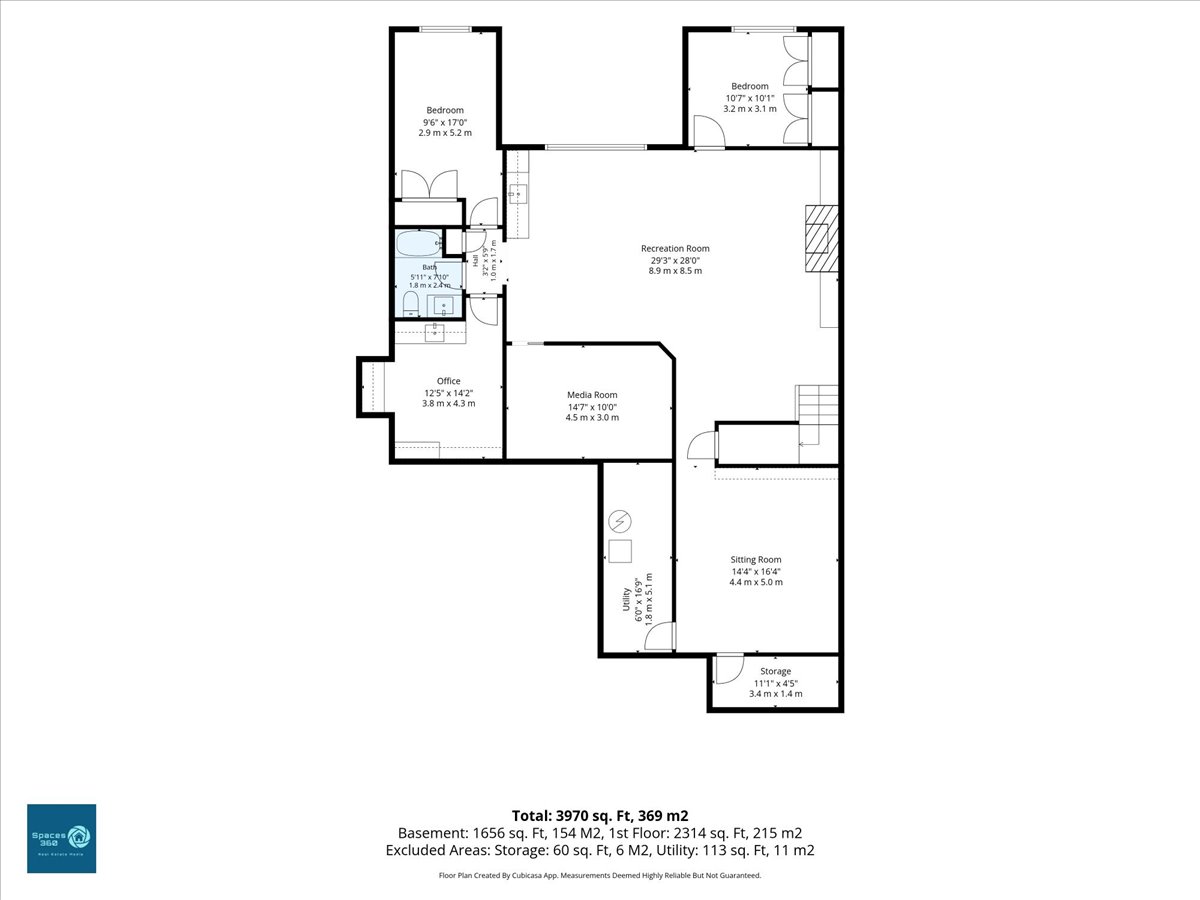
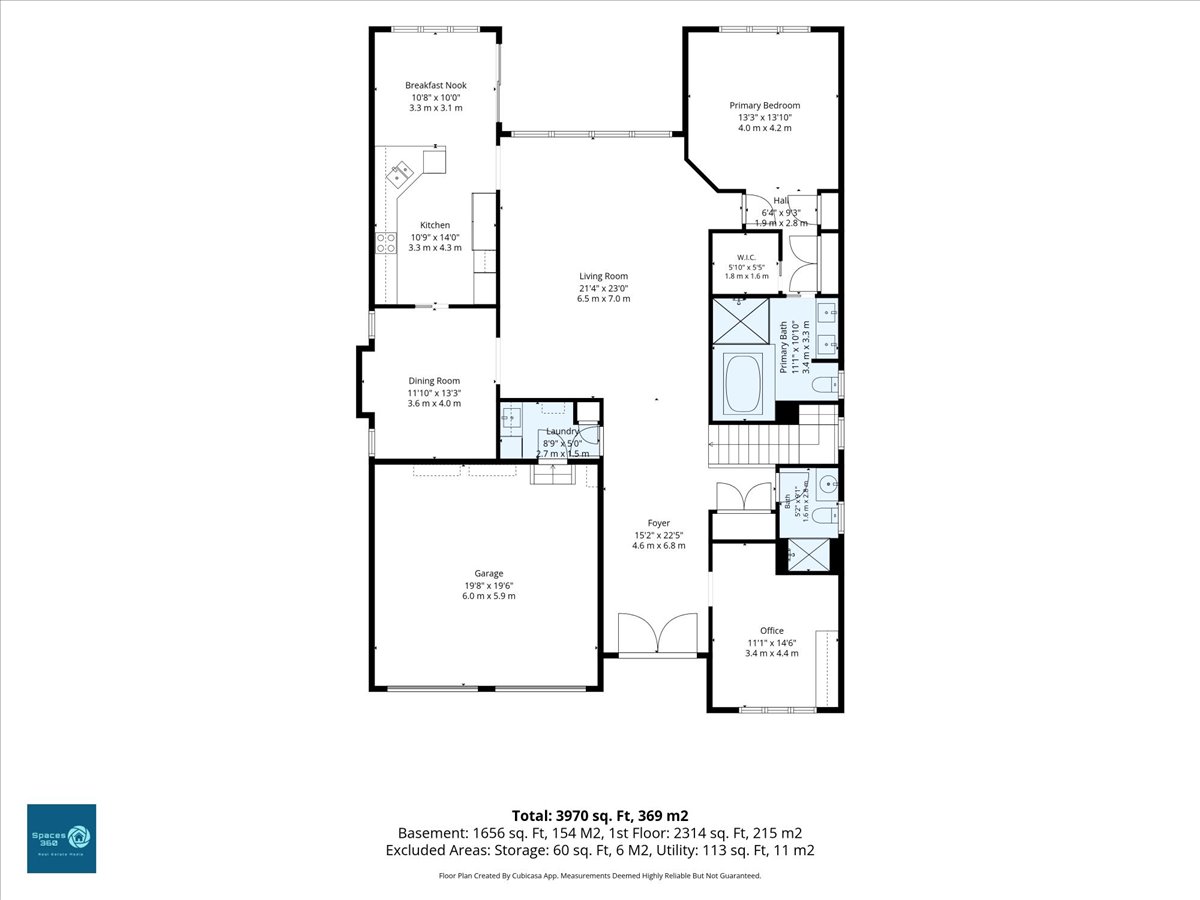
63-725 Eagletrace Drive sits inside The Sanctuary, one of the most sought-after enclaves in Sunningdale West — an adult-oriented community where every home is built to a higher standard, and this one shows it. Between 1,933 square feet on the main floor and a fully finished 1,782-square-foot lower level, you get nearly 3,700 square feet of living space, without a single set of stairs standing between you and your everyday life.

The main floor is where you'll actually live. Crown moulding runs through every room. The primary bedroom has its own ensuite, and the second main-floor bedroom works just as well as a home office. The kitchen is a genuine showpiece — granite counters, a built-in 60" fridge, an induction cooktop, a steam oven, a plate warmer, and a Miele dishwasher. A family-sized dining room and breakfast room open through double doors to a private, low-maintenance covered composite deck backing onto green space.

Downstairs is where you'll entertain, and where family will want to stay. Two more bedrooms, a home theatre, an exercise room, a hobby room, and a family room built for gathering — with a built-in bar, wine cooler, and gas fireplace. Surround sound runs throughout, and a security camera and alarm system come standard, so peace of mind is already built in.

The details you don't see matter too. Epoxy flooring in the double garage. A water treatment system. Central vacuum. Sump pump and ventilation system. This is a home that's been cared for at the same standard it was built to.

Priced at $1,250,000 with condo fees of just $325/month covering common elements, this is single-level living with the finishes — and the privacy — a million-dollar address should deliver.

MLS# X13712858. For more pictures and videos

Read

Bungalow-Style Living Stairs Are Optional. So Is the Yard Work.

If mowing the lawn and hauling snow off the driveway are no longer how you want to spend your Saturdays, 72-869 Whetherfield Street solves that — without asking you to give up space or privacy to do it.

This bungalow-style condo townhome sits in one of North West London's most sought-after adult lifestyle communities, and it lives large: 1,793 finished square feet plus another 598 downstairs, for 2,391 total square feet of one-floor-friendly living.

Everything you need is on the main floor. Step in through the front door or the double garage into a bright, vaulted-ceiling living room with a fireplace and a patio door out to your private deck. The open kitchen has oodles of cabinets, a breakfast bar, and stainless appliances. Main-floor laundry, a primary bedroom with its own ensuite and generous closet space, and a second bedroom that works just as well as an office — all without a single step.

Need more room? It's downstairs, already finished. A third bedroom (or gym, or den), a second fireplace, a spacious family room, and another full bathroom.

The big-ticket items are already done. The furnace, A/C, and water heater are all one year old and on a service contract with Reliance — one less thing for you to think about. Two garage spaces plus two more in the driveway means four parking spots total, a rare find in a condo community.

And the lifestyle part is real, not just a sales line. Your landscaping and snow removal are handled by the condo corporation. There's a private clubhouse with a fitness centre, walking trails nearby, and you're minutes from Farm Boy, Costco, University Hospital, and Western.

Priced at $569,000 — right in line with what similar homes in this pocket of London are asking — this one is ready for its next owner to simply move in and enjoy.

MLS X13679594

Easy to show, flexible possession and for a virtual tour and more pictures, here you go.

Read

Thinking About Buying a Home in London, Ontario?

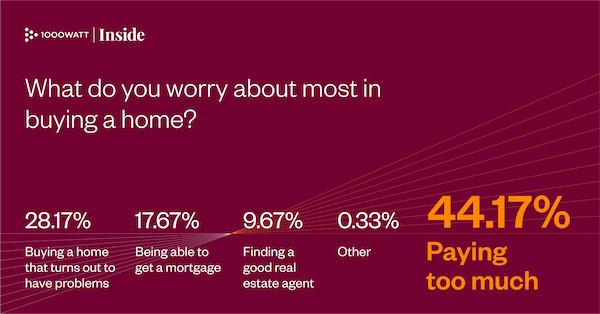
What bothers you the most about buying a home in London, Ontario, and the surrounding area?

A survey about what buyers worry about when buying a home

In this survey, what were these buyers thinking? Add up 28.17% + 44.17%, and you get 72.34% or 3/4 of their worries! If you take 72.34% and add 9.67% for finding a good Realtor, you get 82.01% of most buyers’ fears.

How would you feel if you had answers to 82.01% of your concerns and had the confidence to buy the right home for you and your family?

Finding a home is among the least important things a Buyer's Representative does.

99% of all homes are listed on the MLS so that anyone can see them. The critical work after “Find” happens when it’s time to evaluate, strategize, negotiate, and manage the 83 other steps before the buyer gets the keys!

Since Adam and Eve went looking for a home, everyone has an opinion on the proper steps and timing when buying a home in London, Ontario. Be it advice from AI,  well-meaning family members, pretend real estate gurus, thousands of books, articles, Google searches, Instagram, Facebook, you name it, everyone has an opinion!

You know what you want and can afford; most of your concerns have been addressed. At this stage in your career or life, you do not need drama; you want results, not excuses, not commission-breath salespeople or wasting time on what you are not interested in.

It’s crucial to recognize that the fear and anxiety you may be experiencing when making a significant financial decision are not only normal, but they’re also a protective alarm system that most humans have. You’re not alone!

No matter how much research you’ve done, understanding the market and the financial implications of your choices, it’s important to remember that fear, while natural, should not be an obstacle. You have the power to make informed decisions!

I could write a thousand pages of technical jargon and self-promotion about how we can help alleviate fear and anxiety when buying a home, but that will only bore you or come off as a super-realtor ego or a stick-in-the-mud fearmonger!

Regardless of who you choose to help you with your real estate choices, be it a Realtor, Lawyer, Mortgage provider, or tradesperson, it’s essential to consider their approach. Are they transactional, focusing solely on their fee or commission, or are they relational, prioritizing your long-term satisfaction and well-being?

So, I ask, how would you feel if you had answers to 82% or more of your concerns and had the confidence to buy the right home for you and your family this year?


Buying a Home in London, Ontario — Straight Advice Before You Sign Anything

Read
This website may only be used by consumers that have a bona fide interest in the purchase, sale, or lease of real estate of the type being offered via the website. The data relating to real estate on this website comes in part from the MLS® Reciprocity program of the PropTx MLS®. The data is deemed reliable but is not guaranteed to be accurate.