
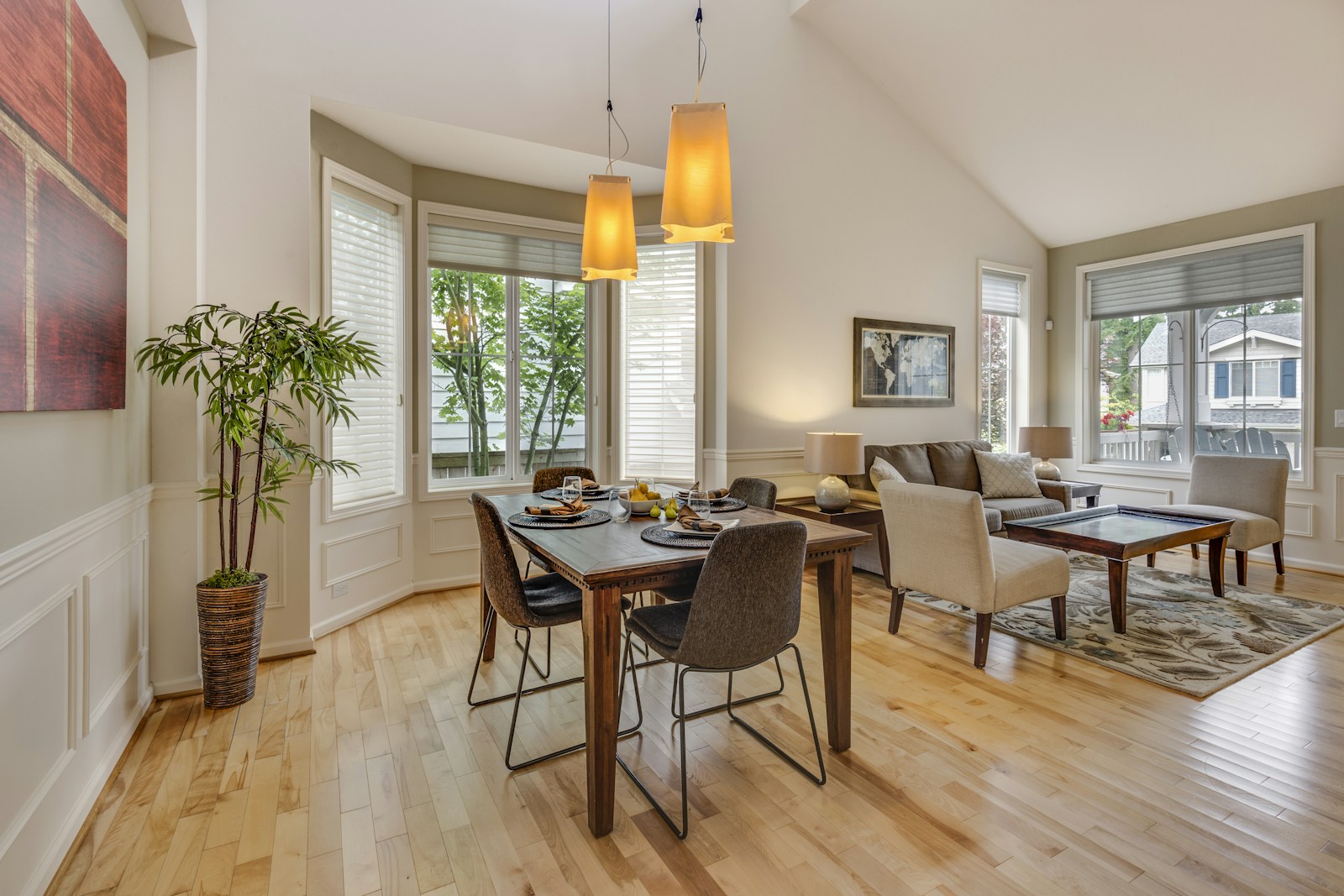
When selling a home in London, Ontario, the sellers who get the most money are the ones who stop seeing their house through their own eyes and start seeing it through a buyer's. The average buyer views 8 to 12 homes before choosing one, and forms a first impression within 7 to 10 seconds of walking through the door. Presentation, cleanliness, and emotional connection are what separate a home that sells for close to asking from one that sits.
Ty Lacroix, Real Estate Broker at The Envelope Real Estate Group, has spent 24 years helping London sellers see their homes the way buyers do — before it costs them.
When you sell your home in London, Ontario, the single most useful thing you can do is stop being the owner for a few minutes and become the buyer.
That's harder than it sounds. You've lived here. You know which floorboard creaks, and you stopped noticing it years ago. You walk past the scuff on the wall every day without seeing it. But a buyer walking in for the first time sees all of it — and they decide fast. Research shows buyers form a first impression within 7 to 10 seconds of entering a home. In a scroll-driven market, online photos get even less time: two to five seconds before a buyer keeps scrolling or books a showing.
That's the window. That's what you're competing for.
Presentation Is the Product
A crucial part of selling anything is how it's presented, and a home is no different. To compete with every other home on the market, yours has to show better than theirs.
You can't change your room layout, lot size, or location. But you have complete control over the first impression — and that impression matters whether your home is an apartment, a townhome, or a detached house, and whether it's listed at $400,000 or $1,500,000. The price bracket doesn't change the rule. I've shown homes at every price point over 24 years, and I can tell you the appealing ones and the off-putting ones had very little to do with what they cost.
Untidiness, clutter, burnt-out bulbs, cobwebs in the furnace room, a dirty furnace filter, a lingering smell — these are red flags. Individually, they seem small. Together, they tell a buyer the home hasn't been cared for, and that single impression gets priced into every offer you receive, if you receive one at all.
The numbers back this up. According to the National Association of Realtors, 81% of buyer's agents say a well-presented home makes it easier for buyers to picture the property as their own. Homes presented this way spend significantly less time on the market — by some industry measures, 73% less. And presentation isn't about expensive renovations. Decluttering, deep cleaning, and good lighting are the highest-impact, lowest-cost moves a seller can make.
Why You're Really Selling
Here's the part most sellers miss. You are not just selling a house. You are selling shelter, a lifestyle, and a feeling. Buyers come to your front door wanting to find the right home. Your job is not to give them a reason to keep looking.
This matters because buyers are comparison shoppers — just as you were when you bought. The average buyer looks at 8 to 12 properties before making a decision, and 97% of them start that search online before they ever step inside. By the time a buyer reaches your door, a story has already formed in their mind from your photos. A bright, tidy, intentional home invites them to keep imagining their life there. A dark or cluttered one puts them on guard, looking for problems and ready to negotiate hard.
Buyers don't fall in love with square footage. They fall in love with how a home makes them feel. When a buyer lingers — when they start picturing where their furniture goes, where the grandkids would sleep, where they'd have their morning coffee — they are getting closer to an offer.
Think like a buyer. Don't give them a reason to leave.
The Gap Most Sellers Can't See on Their Own
Here's the honest difficulty: you cannot fully see your own home the way a buyer does. You're too close to it. You love it, or you're tired of it, but either way you've lost the buyer's fresh eyes — and that blind spot is exactly where money gets left on the table.
That's the part of the job I take seriously. Before your home is ever listed, I walk it the way a buyer will, and I tell you the truth about what they'll notice — not to find fault, but to find the remedy while there's still time to fix it. Most sellers are surprised by what they'd never have caught themselves. Some of it costs nothing to correct. All of it affects what a buyer is willing to pay.
If you're thinking about selling in London this year and you want to know what a buyer will actually see when they walk through your door, that's a conversation worth having before the sign goes up — not after.
You don't have to guess what buyers will think. Let's walk your home the way they will — and fix what matters before it costs you. Reach out for a private conversation, no pressure and no pitch.
Also find me at tylacroix.com and Totally Preachless

Comments:
Post Your Comment: