

Here’s an informative London home seller’s guide to help you increase your home’s value and avoid costly repair scams when getting estimates and quotes, or doing some of the touch-ups yourself!
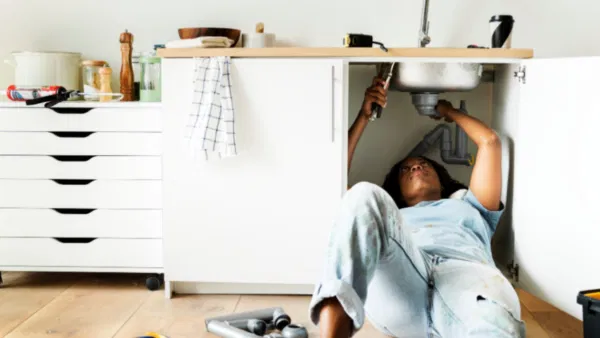
Each year, hundreds of homeowners unnecessarily lose thousands of dollars when selling their homes in London, Ontario, and the surrounding area. But they don’t lose the money for reasons you might think. They lose money because they unknowingly left it on the table for the buyer to pocket by failing to recognize their home’s hidden profit potential.
Discover the untapped potential of your home’s value. Unbeknownst to many homeowners, minor, affordable repairs to their existing homes can yield significant returns, often exceeding their initial cost. However, not all repairs are equal; some can incur substantial costs. Understanding which repairs and improvements are worth your investment is key.
Those hidden profits exist in two areas.
First, some homeowners may not realize that even minor, inexpensive repairs to their existing home can generate many times their cost in additional home value. However, other repairs and improvements can be costly. Knowing which repairs and improvements to invest in and which ones to leave alone is critical.
Second, when many savvy homeowners decide to make profitable repairs before selling, they expose themselves to potentially deceptive contractor practices, which can drive up repair costs.
It’s easy to see how you might become overwhelmed by the entire process, from not knowing which repairs will maximize profit to navigating the world of contractor schemes. But don’t despair.
That’s Why I Created This Helpful Report
Below, I will reveal precisely what areas make sense to fix and what areas to leave alone, and not use “uninformed opinions” but real-world facts. Then, I will give you a “behind-the-scenes tour” of the games some contractors play when fixing your home (by the way, not all contractors are sinister – I know many with stellar reputations).
This way, you’ll be armed to the teeth with knowledge and strategies to stay one step ahead of the game and maximize the value of your home when you sell.
How to Select Home Improvements That Pay Dividends
Generally speaking, there are two primary approaches to home improvements. You’ll either splurge on your home because it’s your palace and you want a beautiful place to live, or you’ll take a more logical, pragmatic approach designed to increase your home’s value.
The problem is, you’ll never achieve both. Many homeowners expose themselves to the problems they try to avoid in home fix-ups.
Take Carol and Tom Jenkins, who purchased a home for $690,000 a few years ago. Since then, they’ve spent over $70,000 fixing it up and making it the “perfect” place to live. A few months ago, they listed the home for sale at $835,000. The best offer they received was only $799,000.
Their mistake? Spending money on amenities and features that were ancillary to the home’s value.
Just because you spend x on fixing up your home doesn’t mean you’ll recoup it when you sell. It doesn’t automatically increase your home’s worth by x amount. That’s precisely why you need to know which fix-ups pay off big and which ones will potentially cost you thousands of dollars.
Let’s review the most common areas of renovation.
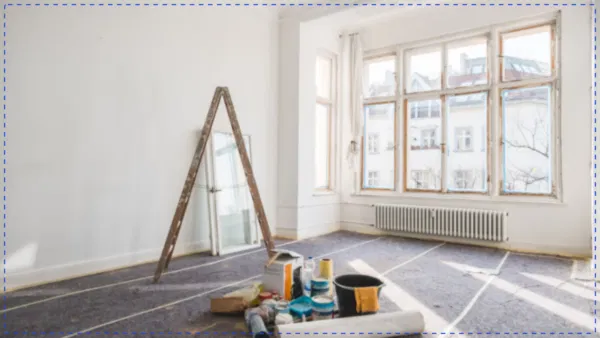
Painting Your Home
Painting 90% of the time is a good investment
Time and again, painting is one of the most basic yet profitable home fix-ups. There’s virtually nothing a coat of paint won’t fix, especially if you plan to sell your home within a few years.
On average, professionally painting the home’s exterior costs $8,250 and recovers nearly 100% of the cost. But that’s not the good part of the painting.
Studies also show that painting significantly reduces the time to sell. Reducing time to market means saving thousands in interest, taxes, and other overhead costs associated with maintaining your home and mortgage during the “for sale” period.
Rather than spending money on your home’s less visible “infrastructure” issues, you’re frequently better off fixing the cracked front steps and painting the entry and front door.
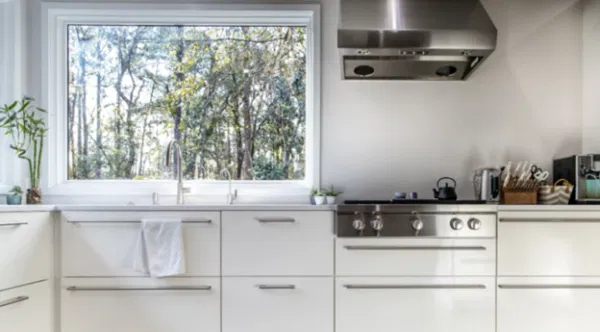
Kitchen Fix-Ups
Here’s an area that can mean serious profit when selling your home. Even minor, fundamental improvements to your kitchen can pay big dividends. For most buyers, the kitchen is the heart of the house. And that means it has the most significant profit potential. Here are a few suggestions for improving your kitchen without investing tens of thousands in remodelling costs.
In the short term, consider changing floors, cabinets, and fixtures. Consider sanding, staining, or painting dingy-looking cabinets to give them a fresh look. Replacing old cabinet hardware (a low-cost improvement) can make a massive difference in appearance.
Examine your countertops and other visually appealing surface areas. Also, look at the kitchen sink and fixtures. Replacing them with contemporary fixtures and a new sink can improve aesthetics and reduce hard-dollar costs if they’re old and worn. In some cases, spending $6,000 on a cosmetically outdated kitchen can add as much as $15,000 in extra value to the home.
Adding New Space
Generally, improvements that increase the home’s functional space are good profit centers. For example, one homeowner had a storage area accessed outside and bordered by the laundry room. The homeowner removed the laundry room wall to the storage area, eliminated the exterior door to the storage area, and added more than 100 square feet of storage and usable space, now accessible from the inside rather than the outside.
The repair, which cost only about $3,000, increased the home value an estimated four times the cost to perform.
Converting an attic into a bedroom suite can instantly transform your four-bedroom home into a five-bedroom home and significantly increase its value. Waterproofing and improving a basement for additional storage (a job that costs about $5,000) can recoup well over its cost once the house goes on the market.
Look around your home for areas that can be easily expanded, refurbished, or functionally added to increase the number of bedrooms, bathrooms, or usable square footage. You’ve found a significant profit center.

Enclosed are Decks and Patios
Most exterior improvements don’t deliver strong returns, but here’s a great way to increase your home's overall square footage and value. Consider installing a deck or enclosed patio.
This not only enhances your home's aesthetics but also its usability.
Decks and patios can range in cost between $6,000 and over $15,000, and, in most cases, recoup at least 90% of their price in extra home value – especially if you’ll be living in the home for a few years.
Adding an Extra Bathroom
According to Remodelling Magazine, adding an extra bathroom will typically pay for itself. The average cost of a bathroom addition is approximately $26,000, including all the trimmings – a marble vanity top, sink, ceramic bathtub and commode, and a custom tiled shower.
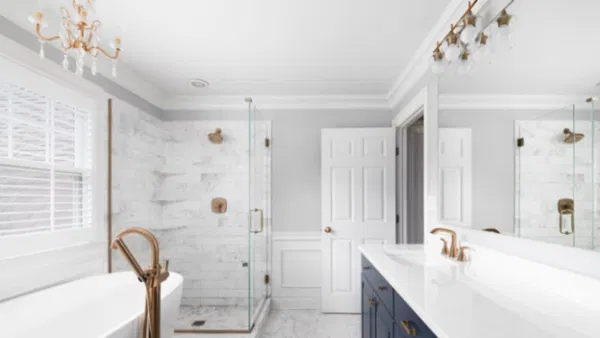
Here’s another profit pointer: a second bath adds more value to a home than a third bath. When adding baths, consider using skylights, windows, and other methods to bring in natural light.
Here are a few areas to avoid.
Replacing Windows and Doors
Even replacing windows and doors with energy-efficient models is generally a bad idea. Investments in windows and doors typically return only 36% to 53% of their cost, while $1,280 in caulking and insulation can yield over 71%.
However, if your windows are old and leaking, you should replace them. Consider using standard-size windows rather than custom-cut models. The savings on your utility bill might cover them alone. The minute you get into customizing windows with fancy shapes, bays and bows you can’t see from the street, you’re throwing your money down the drain.
Swimming Pools
Swimming pools have different value levels depending on the region where they’re located. Warmer climates tend to prioritize pools because they can be used more days per year.
However, in either case, there is generally little resale value. Pools turn off more buyers than they attract because they require expensive, time-consuming upkeep. Running a close second is the fear of liability from having a pool. Pool accidents can quickly lead to a negligence lawsuit.
The verdict? Be very careful before you go spending money on a new pool.
Gardens, Walls, and Fences
Fancy gardens and extensive landscaping are generally among the biggest losers. The same applies to large walls and elaborate fences. Homeowners can spend tens of thousands on beautifying their home's grounds but rarely recoup their investment. Why?
Unless you’ve a horticultural buyer looking at your home, most buyers consider the time and money required to maintain lavish landscaping. However, that’s not to say that your home shouldn’t have lovely grounds. The same situation can work against you if your home is perceived as the “weak link” of the neighbourhood because of its landscaping.
The key is to design your landscaping in harmony with the surrounding homes. If that requires spending a little money, so be it. But don’t expect to get it out at the sale price.
Functional and Structural Improvements
Here’s a sad paradox: Many of the improvements that offer the most outstanding value to you as a homeowner often deliver the lowest resale value. And usually, those improvements are functional or structural.
For example, installing a new plumbing system will make your home more comfortable. Still, they’ll fail to recoup their costs in added home value unless you live there for some time.
Unfortunately, when certain functional items fail, you have no choice but to fix them. This includes water heaters, HVAC systems, plumbing, and foundation issues. However, be cautious about where you spend your hard-earned dollars. As the saying goes, “If it ain’t broke, don’t fix it.”

How to Avoid Home Repair Rip-Offs
By now, you’ve probably identified several areas you could improve in your home and start reaping extra dollars in value. But there’s still another hurdle to overcome. And it’s an important one.
Thousands of consumers report home repair scams to the Better Business Bureau each year. Home repairs are second only to car repairs on the “rip-off” list.
Here’s the inside story on the most common games played, plus several tips to help you avoid becoming another contractor victim.
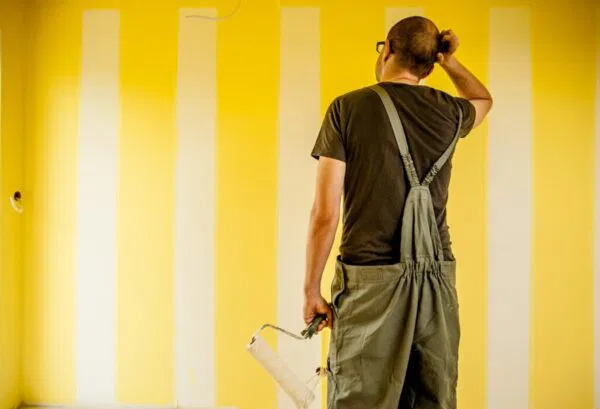
Selecting Painters
The key to a great paint job isn’t necessarily in the painting but in the prep work. And this is the area where you will either get “taken” or get a great job. If you own a two- or three-story home, it isn’t easy to ensure every inch has been adequately scraped, sanded, patched, and primed when climbing up a ladder.
However, taking the time and effort may pay off with big dividends. Here are a few tips to make sure you’re getting your money’s worth out of your painter:
Verify that all priming and preparation have been done. Ask your painter to use a primer paint colour that differs from the current or finish paint colour. For example, if your existing colour is white, ask them to use a light-gray primer.
Get a detailed on-site estimate to avoid unpleasant surprises. You don’t need to go through three estimates for the same job. Just get two estimates if they’re in the same ballpark. But ensure they’re detailed so you know what you’re paying for.
Don’t scrimp on paint. Use high-quality paint, even if you can only afford a single coat. But don’t buy the top-of-the-line, either. Your best bet? Select a colour that’s one step down from the top-of-the-line premium paint.
Remember that painters do better on paint prices than you will. Frequently referred to as a “contractor price,” your painter can, for example, buy paint at $62 a gallon and resell it to you for $75. Even with the markup, it’s still a better deal than buying it at the $85 retail price. Make sure to ask your painter how their paint pricing works.
When evaluating exterior painters, ask for addresses of homes they painted about five years ago. Then look at them. A good paint job should last about seven years. At five years, you’ll see just the beginning of paint wear around the eaves and gutters.
Remember, no matter how much you haggle with potential contractors to lower their bids, they still need to make a living. You can push too hard. If you pressure painters to accept lower prices, it only means they have to find cheaper labour to do the job. And affordable labour means a shoddy job. Either way, you generally get what you pay for.
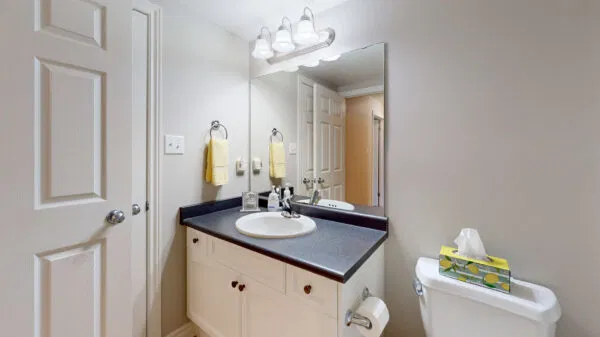
Selecting Plumbers
Here’s the “inside scoop” on plumbers: you won’t pay much for the “parts” they use; they make their money on labour and “mobilization charges.” Frequently, plumbers charge a minimum of one hour, regardless of the actual time spent on the work.
If you’re paying a plumber a minimum fee to show up anyway, why not ask them to handle other plumbing work, such as fixing disposals, pool or lawn sprinklers, leaky faucets, or washers that need replacing? Use up the minimum he will charge you for fix-up projects.
Plumbing problems are challenging to estimate. To help you in the process, here are several tips to consider:
Explain your job or problem over the phone, then ask how they will address it, what the cost will be, and when the work will start and be completed. And here’s an important tip: if you live in an affluent neighbourhood, do not give your phone number or address until after you’ve been quoted a price. Some plumbers pay 50% more when they learn you live in an affluent neighbourhood.
If a highly recommended plumber has no idea of the job’s cost, negotiate a flat rate to inspect the issue and provide a quality bid.
When dealing with tradespeople who charge by the hour, ask if travel time is also included on the clock.
Check for shoddy work or tactics your plumber may use to boost their profit margins at your expense. For example, some use a ½-inch pipe instead of a ¾-inch pipe, which may prevent your toilet from flushing correctly in bathrooms with a shower. Alternatively, if a plumber uses L- or K-grade copper piping, you can expect a life expectancy of 5 to 10 years, compared with M-grade piping, which typically lasts 15 to 20 years. And some plumbers use plastic pipe, which is inexpensive but noisier and less durable than metal. Ask your plumber what he’s using before he starts his work.
If you suspect your plumber is overcharging you for materials, visit Home Depot or a plumbing supply house and obtain a price quote for the same materials. You can still check the price tags even if they don’t sell directly to consumers.
Selecting Electricians
Electricians receive the fewest consumer complaints, likely because they must adhere to the most stringent national standards. Before hiring an electrician, make sure they are licensed.
You should also check (along with all tradesmen you consider) that: 1) he’s licensed and insured; 2) he has no complaints with the Better Business Bureau in your area; 3) he’s driving a truck or van with a painted-on sign and logo; and 4) he’s willing to write you an estimate on his own printed invoice, which should reveal a street address rather than a post office box.
However, electricians can easily take advantage of you on parts. A cheap electrical switch costs your electrician 99 cents compared to $4 for a longer-lasting one. When obtaining parts from your electrician, ensure he uses “specification grade or better” products – a standard set by the CSA.
Selecting Roofers
Better Business Bureaus have their files stuffed with stories of roofers who ripped off consumers and skipped town.
If you’ve got a leaky roof, chances are it’s a flashing problem. This is the material, typically made of copper, galvanized steel, or aluminum, that connects your roof to the chimney with a black, sticky substance called asphalt cement. If you need flashing fixed, plan to spend about $30 to $50 per hour to set it correctly.
Be wary of the roofer who gazes at your roof and announces, “Your roof is 15 years old, and it’s gonna leak soon if you don’t replace those shingles.” The only way to determine whether you need a new roof is to get up there and inspect it. Worn-out shingles, which have lost their oil and thus water repellency, look brittle, curl up at the edges, and often crumble into powder when broken.
A new asphalt shingle roof is typically costed out per “square” (a roofer’s square is 100 square feet), depending on the quality of the shingles and the slope of your roof. A shingle roof should last 15 to 20 years.
If you plan to move out of your home soon, you might want to consider a “second coat” of shingles. This will eliminate the need to strip off the first layer, saving you approximately 20% in labour costs.
Selecting HVAC Specialists
The most common scams involving HVAC (an acronym for “Heating, Ventilation, Air Conditioning, and Cooling”) include substituting used parts for new ones and replacing components that don’t need replacing.
The solution? Always ask to see the old or broken parts before they’re replaced, and examine the packaging and documentation of any new features used.
And here’s another tip: have any HVAC repairs performed during the off-season. Air conditioning and heating work is up to 10% less expensive during the off-season.
Also, avoid extended payment plans. There’s no free lunch, and it’s assumed you’re paying for the costs of money somewhere in the job. If you purchase a service contract, ensure your contractor details everything that will be performed under the agreement and that they have up-to-date equipment to complete the job.
And if you need to replace an air conditioner or furnace, eliminate the bidder who estimates the job off the cuff without measuring your windows, asking about the type of insulation you have, and considering the direction your home faces.
Should You Get A Written Contract?
Written agreements help ensure a tradesperson keeps their word, provided they’re detailed enough. However, a piece of paper doesn’t protect you from being taken advantage of.
If you get “duped” by a licensed contractor, you can complain directly to your local Better Business Bureau or other local agencies and request a hearing or arbitration. Suppose you’re dealing with an unlicensed tradesperson. In that case, your regional Better Business Bureau may help arbitrate the situation, but if the contract was large enough, you might be forced into the courts for satisfaction.
Whether or not you receive a contract, ensure that after work, you receive a written statement stating that all work performed has been paid in full. Or, better yet, when you submit your final payment, write that statement yourself and ask the tradesman to sign it.

Comments:
Post Your Comment: