RSS

What is Your Threshold Price For Buying a Home in London Ontario?

What does a threshold price for buying a home mean or matter?

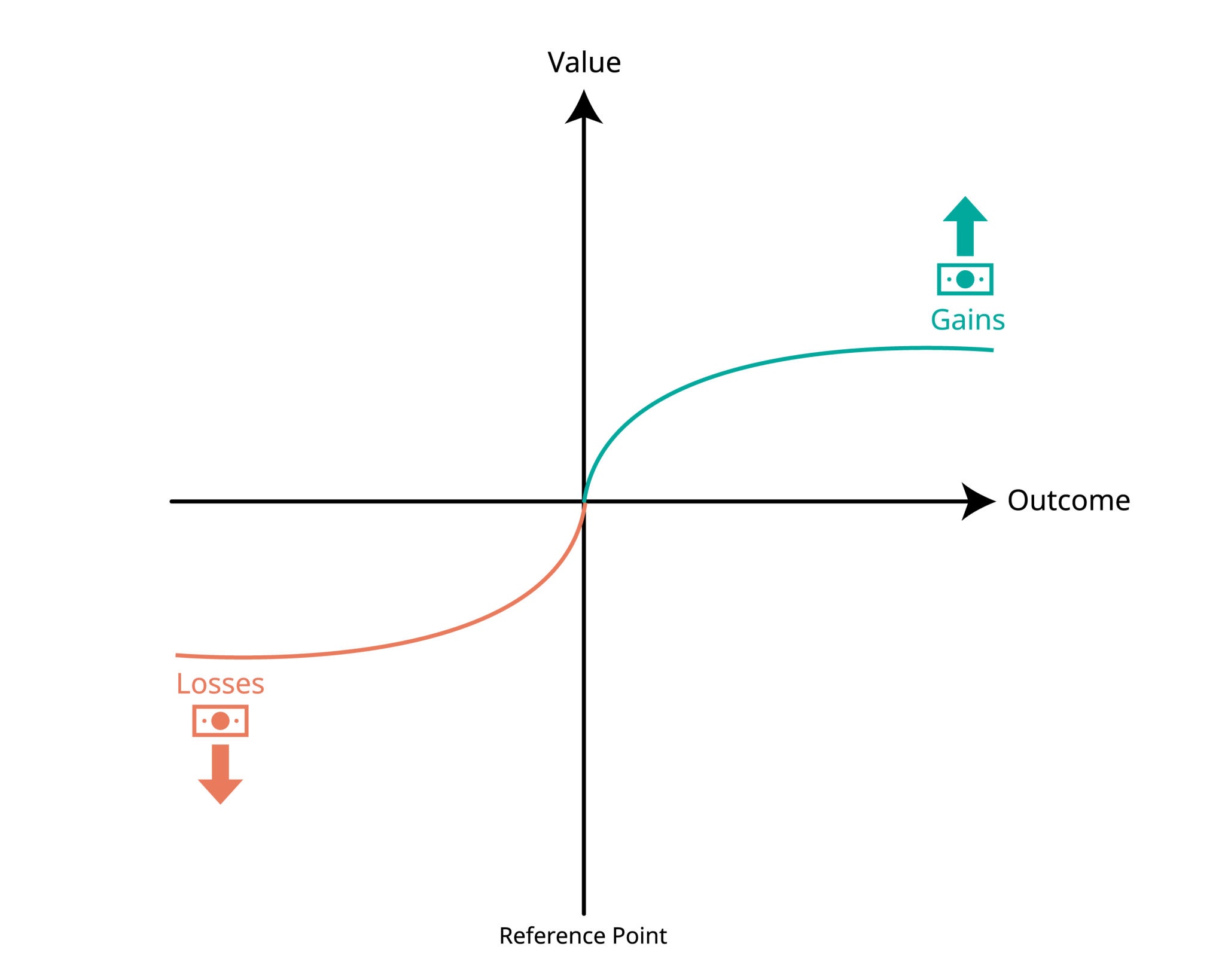
A threshold price is one at which you can be confident that you are offering a fair price and that, in the future, if the market does take a downturn, your financial world will not be turned upside down.

I have been in several offer situations, won some, and some say ‘lost some,’ but my clients can’t lose something they never had. My clients and I set a threshold price and stick to it; we try to keep emotion out of it and avoid one of the biggest motivators in the world: “fear of missing out.”

Not long ago, homes received 7-15 offers without conditions, and some sold 12-18% above the asking price.

Jim Rohn wrote: “The pain of discipline weighs ounces; the pain of regret weighs tons!”

Good questions will never flatten you!

Speculation is dreaming, and though we read about the money that less than 5% of speculators say they make, we very seldom hear about the other 95% of speculators who lose. It may not be in the short term, but second and third-order consequences can come back to haunt you.

History does not repeat itself; only humans do.

I have rearranged one of Warren Buffett’s beliefs and changed the word stock to property: “It is far better to buy a wonderful property at a fair price than a fair property at a wonderful price.”

If you are in the market to buy a house or a condo in the London, Ontario, area and want a prudent advisor and Realtor to help you with your threshold price, what more can I say?

Contact us at Envelope Real Estate Brokerage

Read

Control Emotions When Buying a London Ontario Home

Your emotions when buying a home in London, Ontario, and your ability to control them will determine the price you pay. Before buying a house or condo in London, Ontario, the single element determining how well you and your real estate representative negotiate your offer is…

How motivated are you and the seller?

If the house or condo has been on the market for two months, the seller may not be sufficiently motivated to sell. Or the seller may be highly motivated or fishing for a price. No money is left over when they pay off their mortgage and other debts!

If you’ve been transferred, have your home listed, and wish to downsize, or have another child on the way, your house is too small, your neighbourhood is a proctological pain, or you’ve had it with your landlord, you may be very motivated to buy!

Nevertheless, here’s a tip you must bring to any real estate transaction…

Avoid Emotional Attachment to the Home You’re Buying

If your heart is racing about the home and you can’t hold back your emotions when thinking about it, you won’t do well negotiating the purchase price. In some cases, money may not be the issue; it could be the layout, neighbourhood, or perceived lifestyle.

What’s the single best piece of information you can have?

In addition to my phone number, it includes comparable sales and market data for the entire market and the area, as well as assessed values for five houses on each side of the house and ten across the street.

 Why?

  • Look at the currently active (for sale) listings in the area.  Was the house you’re considering priced within the range of other homes?   If so, you know you’re at a reasonable starting point.

  • Now, compare the average selling price to the listing price.  You may notice that most houses in London sell for the asking price or slightly above it.  If that’s the case, you know the original offers were less than this amount.  Take this into consideration when making your offer.

  • Now,  visit several other listings in the area.  How does your choice compare to the others on the market?  Is the home you’re considering in a similar shape?   Is it bigger or smaller, or does it feature a better style or landscaping?  These factors will help you determine how much to pay for your home compared with what others paid for similar homes in the neighbourhood.

  • Now, look at the average market times for listings in the area.  If they’re long (evaluated on a market-by-market basis), the market may be soft, and you might have more negotiating room with your offer.

  • What is the percentage difference between assessed values and market price?

You’re now ready to make your offer and negotiate buying a home. This is where strategies come into play and are one of the most essential steps in the buying process. Most either overpay, fail to get the home they want because of poor negotiation, upset everyone, or lose a lot of sleep!

Check this CTA for our home seller guide

Read

Why Use a Realtor To Buy From a Builder?

Why use a Realtor to buy a home from a builder? Buying a brand new home? Buying pre-construction? Who is protecting whom?

Who is protecting your interests when you buy from a builder?

The advantages of having a Realtor help you purchase a new home are the same as those for purchasing a resale home.

  • Knowledge of the market

  • Help find the perfect home quickly,

  • Expertise in contract writing/negotiation,

  • Closing assistance.

Builders have professional representatives, including licensed and unlicensed salespersons, who watch out for their needs. Who will protect you and advocate for your needs?

Lawyers cannot represent both sides of a transaction for a reason!

Your interests need protection when you enter a legal contract for a semi-custom or build-to-suit home. These transactions are complex, and the contract details must be exact to protect you!

Is there any advantage to not using a Realtor to purchase a new home?

No.  There is no financial advantage to buying directly from the builder.  Most ethical builders, including many in London, Ontario, have a “single-price” policy. You pay the same price whether a realtor represents your interest or not.  Like most resales, the Seller pays the Realtor’s fee. There is no extra cost to have an experienced Realtor help you.

Legal Contracts Builders Use Are Drafted by Their Law Firm!

Who do you think the contract favours or is biased for?

Do you know what you want and what you're looking for during the pre-delivery walkthrough of your new home? If something is wrong, what can you do other than receive promises?

If a condominium, you should know:

  • How many are sold now?

  • Are there rental units?

  • Sold to investors?

Buying a home from a builder is much more complicated and time-consuming than buying a resale. Experience working with builders and accessing a database of subdivision information, floor plans, and related details is a must. Familiarity with new-home warranties and builders’ purchase contracts is essential.

Caution– 99% of builders insist your Realtor accompany you on your first visit to the builder’s sales office or model home. They will NOT PAY your representative’s fee!

Want More Tips?

Read

What Part Of You Is Thinking About Real Estate in London Ontario?

When thinking about real estate in London, Ontario, is it the market, the trends, interest rates, buying or selling?

In one of the most outstanding financial books ever written, ‘The Richest Man in Babylon,’ George Clason writes that there are two kinds of study. The things we learned and knew, and the training that taught us how to find out what we did not know.

I read this book every year to refresh and remind myself of some basic financial concepts. While very simple and maybe too easy, many Canadians do not make wise financial decisions.

Educated or Wise?

Many well-educated people buy or sell real estate without knowing what they do not know when buying a house or a condo in London, Ontario.

“A degree on a wall means you’re educated, much as shoes on your feet mean you’re walking. It’s a start, but hardly enough.” Ryan Holiday

It is like a person complaining of a sore belly goes to their doctor and tells the physician that Dr. Google says it is blah blah blah! The kind physician ( the one not rolling their eyes or thinking, “Oh no, here we go again) will ask questions, identify the cause or the remedy and treat the problem.

In real estate, the same thing happens. Wise, intelligent people listen to what their neighbour or co-worker says, read “How to save thousands when buying real estate,” or watch all those reality shows and then become experts in buying a house or a condo.

As Joe Rogan wrote: “We live in a world today where it’s never been easier to be full of shit!”

Home sellers and their real estate representatives love you because you are the one who overpays for a home (yet brags that you got a good deal or became a complainypant) or finds out that the home has structural issues or a neighbourhood stigma.

In real estate, we do not have a Dr. Google, but we have everyone who has ever bought or sold a home as an expert on how to do so.

You may think money dictates your decisions; in some cases, you may be right. But about 85% of the time, decisions are emotional reactions to wants rather than needs!

Read

Want To Move To a Smaller Home in London Ontario?

The thought of moving to a smaller home in London, Ontario, or the surrounding area, along with the memories and familiarity, can be overwhelming. One day, you realize that putting things off and procrastinating may not be the best choices.

It could be excessive maintenance or troublesome stairs. Sometimes, it is about feeling isolated from family or old friends, or about being closer to amenities you like or services you need.

As a Realtor who has helped hundreds of clients downsize to a smaller place—whether a bungalow, an apartment condo, or a lovely one-floor townhome—I recommend a six— to twelve-month timeframe at least to fully understand the move, research, and consider all your options!                                           

Downsizing And Conflicting Information


If you’ve come this far, why jeopardize all you’ve accomplished now? You have many options, choices, and decisions to make. The better informed you are, the better. This is the question I always ask myself when seeking information.

  • Is it true?

  • The source?

  • Unbiased?

Downsizing And Conflicting Information

If you’ve come this far, why jeopardize all you’ve accomplished now? You have many options, choices, and decisions to make. The better informed you are, the better. This is the question I always ask myself when seeking information.

  • Is it true?

  • The source?

  • Unbiased?

  • Competency of the source, for example, is the advice scholarly ( teach but don’t do) or from experience?

  • Is the information fear-mongering, from lack or too good to be true?

  • What is the objective of the author, writer, or poster? To sell you or guide you?

For example, when I Googled “downsizing a home in London, Ontario,” I got ‘about 6,380,000 results (0.34 seconds)’! For a start, it’s wise to be familiar with your local real estate market, the area you may want to move to, and the best practices for buying or selling a home.

This couple enjoy staying in touch with their children wherever they are.

Here are a few more ideas to consider when downsizing.

Read

Will London Home Prices Increase If Interest Rates Drop?

If interest rates drop, will London home prices increase? Most likely not, as we are currently in a buyer’s market!

I can state what the real estate market is like today, but what about next week or next month? Motivated buyers or sellers will do what they want, regardless of the market.

As more homeowner mortgages come up for renewal, more homes may come on the market, and for buyers waiting for interest rates to drop, there is the market! However, more homes on the market tend to create a buyer’s market with more buyers and a seller’s market.

Fence-sitting in a real estate decision usually results in a proctological splinter in your finances!

A London home price increase of 2.5 to 3% per month should not be expected. Of course, there will be outliers, but as usual, the sky is not falling for real estate in London, Ontario.

The tariff threats by our neighbours to the south have created uncertainty in the market. We Canadians are strong, and this may be patriotic defiance on my part: “I would rather die standing on my feet than die on my knees!”

I refuse to join the fear-mongering rhetoric. I always see challenges or obstacles as an opportunity to improve, change, or overcome.

Amor fati!

Latin for a state of mind where one not only accepts fate but actively loves it, viewing all experiences as valuable and necessary. 

nosy neighbours

Read

Four Pricing Strategies Home Sellers Use

As a home buyer, here are four pricing strategies homeowners use when listing their homes on MLS in London, Ontario. How would you negotiate if you were a homebuyer, knowing which?

What price?

  Overpriced:

   Every seller wants to maximize the amount they receive. They may have an inflated home value because they got opinions from uninformed advisors and friends, have an over-financed house, or have renovated their home to a standard inconsistent with.

  Somewhat Overpriced:

  35% of homes on the market are overpriced and sit longer than they should. There are two main reasons for this:

  • The seller and their Realtor are not in tune with the current market,

  • Or the seller has left room for negotiating.

  Priced Correctly at Market Value: 

   Some sellers understand that real estate is part of the supply-and-demand system. They have priced their homes realistically based on a thorough analysis of comparable properties on the market prepared by a competent, knowledgeable Realtor. These competitively priced homes sell quickly and are very close to the asking price.

  Priced Below the Fair Market Value:

  Some sellers are motivated by a quick sale. These homes could attract multiple offers and sell fast, at or above the asking price!

  As a buyer, do you know which strategy is in place?

What if you guessed wrong?

Check Out The London Ontario Buyers Guide

Read

Thinking About Buying a Home in London, Ontario?

What bothers you the most about buying a home in London, Ontario, and the surrounding area?

A survey about what buyers worry about when buying a home

In this survey, what were these buyers thinking? Add up 28.17% + 44.17%, and you get 72.34% or 3/4 of their worries! If you take 72.34% and add 9.67% for finding a good Realtor, you get 82.01% of most buyers’ fears.

How would you feel if you had answers to 82.01% of your concerns and had the confidence to buy the right home for you and your family?

Finding A Home Is Among The Least Important Things a Buyer Representative Does.

potential home buyers in London looking online at listings

We have done our due diligence and will only show houses that match your criteria, along with the pros and cons of each.

99% of all homes are listed on the MLS so that anyone can see them. The critical work after “Find” happens when it’s time to evaluate, strategize, negotiate, and manage the 83 other steps before the buyer gets the keys!

Since Adam and Eve went looking for a home, everyone has an opinion on the proper steps and timing when buying a home in London, Ontario. Be it advice from well-meaning family members, pretend real estate gurus, thousands of books, articles, Google searches, Instagram, Facebook, you name it, everyone has an opinion!

questions, what, why, when

If You Have Answers To Those Six Questions Above, What Would Be Next?

You know what you want and can afford; most of your concerns have been addressed. At this stage in your career or life, you do not need drama; you want results, not excuses, not commission-breath salespeople or wasting time on what you are not interested in.

You Move:

Contented Home Buyers Taking a Break.

You felt confident that the property you chose was right, the price was right, and the home matched your lifestyle and comfort zone. There were a few challenges, but they were addressed quickly and to everyone’s satisfaction!

The Next Step?

Be Fearless When Buying a House or Condo in London, Ontario and Area

It’s crucial to recognize that the fear and anxiety you may be experiencing when making a significant financial decision are not only normal, but they’re also a protective alarm system that most humans have. You’re not alone!

No matter how much research you’ve done, understanding the market and the financial implications of your choices, it’s important to remember that fear, while natural, should not be an obstacle. You have the power to make informed decisions!

Happy contented clients of the Envelope Real Estate Group

I could write a thousand pages of technical jargon and self-promotion about how we can help alleviate fear and anxiety when buying a home, but that will only bore you or come off as a super-realtor ego or a stick-in-the-mud fearmonger!

Regardless of who you choose to help you with your real estate choices, be it a Realtor, Lawyer, Mortgage provider, or tradesperson, it’s essential to consider their approach. Are they transactional, focusing solely on their fee or commission, or are they relational, prioritizing your long-term satisfaction and well-being?

See Our Home Buyer Guide For some great ideas and tips!

Read

Questions To Ask a London Ontario Home Inspector

21 questions to ask a London, Ontario home inspector are vital to a thorough house-hunting checklist. Include these questions when choosing the best inspector.

1. What are your credentials?

When hiring an inspector, ask about credentials. A home inspector should be a member of an organization such as the Canadian Association of Home & Property Inspectors. At CAHPI, an inspector must meet rigorous professional and educational requirements followed by a review. They must also adhere to the Association’s Code of Ethics, which demands fairness and impartiality towards clients. Go to the CAHPI site and use the search tool, or look up an inspector you already know. I

NOTE: In Ontario, licensing is not required to be called a Home Inspector!

2. Are you bonded and insured?

When a company (or individual) says it is bonded and insured, it has the proper insurance on its business. Therefore, its work in the home or future home is protected. Bonding is like a second layer of protection for professionals working within other people’s property.

While bonding or carrying insurance isn’t required in all provinces, an inspector should have a bond and insurance to protect you. If anything happens to a homeowner’s personal property during an inspection, the bond and the insurance will protect the homeowner and the buyers.

3. How do you stay current with the industry?

The home inspection industry changes alongside the construction and real estate industries, so working with a professional who stays up to date on the latest news and legal updates is essential. Ask the home inspector how they maintain their industry knowledge. A home inspector who values continuing education shows dedication to their craft and is more likely to be thorough during the inspection process.

4. Can I attend the home inspection?

This is one of the most important questions to ask a home inspector. The potential buyer pays for the inspection, which grants them the right to accompany the inspector. Your inspector should expect this question, but some may have specific recommendations, such as not having sellers or buyers accompany them on the roof, attic, or crawlspace.

5. What type of inspection services do you provide?

Some inspectors specialize in specific systems. For example, I previously worked with a home inspector who was also a general contractor and a roofer. When he inspected homes, he walked on the roof. Not all inspectors go to this length, so having someone who did, rather than just looking up from the ground, was a plus.

Home inspectors with additional experience in another field and who provide extra services may charge more for their inspections, but the benefits can be worth it. If you or your clients are concerned about parts of the home, ensure your inspector has experience in those areas.

6. How much experience do you have?

There’s nothing wrong with hiring a home inspector with little experience. However, you may need to request references and verify their experience in a related field. For instance, previous experience in construction, plumbing, electrical, HVAC, or roofing could mitigate some of their inexperience. A licensed general contractor or builder with a track record who doesn’t have a home inspection license may also be amply qualified to inspect. 

7. How much will the home inspection cost?

Since the homebuyer pays for the inspection, you’ll want to clarify the cost and everything it includes. A home inspection costs $350 to $600, depending on the inspector, property type, and location.

Note: Pay the price once, and cry only once! Do not go and look for the cheapest home inspector!

balancing the price of a house and the quality

8. Do you reinspect?

You may be eager to finish the inspection and start planning the move, but there will be times when a home inspector must return for a second inspection. This could happen, for example, if there is wood rot that needs repair or the seller needs to replace the roof. In other words, a reinspection may be required after the work is complete if any issues remain before the insurance or the loan can proceed.

Some inspectors will return for a fraction of the original cost or charge a second full inspection fee. Even if you don't need a reinspection, knowing the expectations in advance is helpful.

9. What type of report will you deliver?

Some home inspectors will provide a detailed report with numerous pictures, which is ideal. Pictures will help you visualize precisely what and where the items are in the home and can help homeowners maintain it for years to come. If the home inspector doesn’t include photos or diagrams with the report, it may be more challenging to determine how to address any necessary repairs. Ensure you find a home inspector who delivers a detailed written inspection report.

10. How long will it take to receive the inspection report?

When a home is under contract, buyers have a limited time to complete the inspection and decide whether to proceed with the transaction. If the home inspector delays delivering the inspection report, it will reduce the time you have to review it and make a final decision. Most inspectors will provide their reports within 24 hours, but discussing this during your interview is a good idea.

11. Will you answer questions after the inspection?

Although knowing what to ask a home inspector before the appointment is helpful, homebuyers often have questions afterward. Communicate clearly with potential inspectors about their availability to answer follow-up questions. During your interview, look for a strong communicator who can review the report in detail and answer all questions in plain terms.

12. Are there any areas you don’t inspect?

Some inspectors have strict rules about what they can and cannot do during an inspection. For example, some inspectors only inspect easily accessible areas and do not move furniture to reach others. Additionally, some may not inspect the attic or areas requiring crawling or special equipment. In many cases, this isn’t necessary, but finding someone willing to get their hands dirty is ideal to understand the home’s condition thoroughly.

Questions to Ask During a Home Inspection

Hopefully, the homebuyers and real estate agents can accompany the inspector during the inspection. This can be a fantastic opportunity to gain valuable insights from the inspector into the home’s systems, current condition, and proper maintenance. A home inspector can be a wealth of information, so take advantage of your appointment and remember there are no bad questions to ask in a home inspection!

questions-who-what

13. I don’t know what that means. Can you clarify?

It’s almost a guarantee that the inspector will point out issues in the home that homebuyers (and sometimes realtors!) aren’t familiar with. These are some of the best questions to ask during a home inspection because they offer a valuable opportunity to tap into a skilled home inspector's expertise. For example, you can ask the home inspector about the electrical system, the HVAC, or the appliances. If you don’t understand what the inspector is talking about, don’t be afraid to ask for clarification.

14. How’s the condition of the ____?

Your inspector will examine many key home systems, and it is essential to understand what they find in each one. Even though a professional inspector will likely walk you through these without prompting, be sure to review each listed home feature and ask about its condition.

  • Roof: Knowing the roof's age and condition is critical to your home inspection, so be sure to ask for this information. If it eventually needs replacement, it is one of the most expensive parts of a home to repair.

  • HVAC systems: As with the roof, obtain written documentation of the HVAC system's age, condition, and life expectancy.

  • Electrical system: Ask about the type of wiring in the home, and consider whether it is aluminum or knob and tube. Ask whether the electrical systems or panels need updating and whether they’re up to code.

  • Plumbing: Ask about the condition of the plumbing and the types of pipes in the home. If it’s an older home, ask whether polybutylene pipes are present, as they were banned after 1995.

  • Foundation or structural issues: Structural issues are usually a deal-breaker for home purchases. Even if there are no significant problems, don’t forget to ask whether there are any concerns with the interior or exterior foundation, such as cracks or sloping.

  • Insulation: Ask how well-insulated the home is; the inspector will need to check the attic. This is a red flag if the inspector doesn’t check the attic.

  • Drainage: Ask the inspector about how water drains from the home and whether any areas could be a concern for pooling.

  • Sewage: Ask where the sewage goes and ensure you fully understand this plumbing system.

15. Are there any mould concerns?

Mould is a hidden evil that can cause various problems and is not always visible. It could be hiding behind the walls or under the flooring. A home inspector should test the air quality to determine if unseen mould is an issue. If the inspector doesn’t test for mould and you have a concern, they should be able to refer you to another professional specializing in mould testing.

16. Any tips on maintaining [insert system]?

Many homebuyers are unfamiliar with a house's systems. These are vital questions for the home inspector during and after an inspection, as they can help owners maintain the home and prevent emergencies for decades. Ask about the maintenance of systems like the following:

  • HVAC systems

  • Water heater 

  • Appliances (refrigerator, dishwasher, washer, dryer, etc.)

  • Irrigation systems

  • Plumbing

  • Electrical

17. Do you see any major red flags?

You’ll pick up plenty of information as you work through the inspection. However, keep this question toward the end of the process. This is when the inspector will have a more thorough understanding of all the home’s systems and the overall condition.

18. Would you buy this house?

This is a fantastic, straightforward question to ask a home inspector. Depending on their answer, you and your clients can learn more about the inspector’s overall confidence in the home’s value. The response to this question must be based on the inspector’s inspection, not aesthetics or home type. Would they buy the home in its current condition?

Questions to Ask After the Home Inspection

Now that you know what to ask for in the home inspection, let’s consider what happens after it’s complete. Here are a few post-inspection questions that homebuyers can feel comfortable asking to reassure them moving forward with the deal.

a plumber fixing a drainage issue in London

19. What are the costliest repairs needed?

This question is crucial for buyers because it determines whether a property is too risky or too expensive. Depending on the buyers’ overall budget, there may be a way to negotiate repairs with the sellers.

20. Who do you recommend for repairs?

Since the home inspection industry is closely tied to construction and real estate, a high-quality inspector should have firsthand experience working with numerous contractors and specialists. Plus, many home inspectors own their businesses and know how valuable referrals are to other homebuyers and other business owners. 

21. How can I best maintain the home I buy?

After purchasing a home, buyers are typically eager to keep it in pristine condition. While some maintenance may be more straightforward, such as mowing the lawn or treating pests, you may have additional questions over time. Asking your home inspector about future maintenance tips will help buyers prepare.

22. Why do I need a home inspection?

If you spend hundreds of thousands of dollars, would it not make sense to risk $600 versus $600,000?

Sellers can benefit from a pre-listing home inspection by identifying potential issues. This can help agents market the listing more effectively and prevent deals from falling through. 

Buyers should learn as much as possible about the home before proceeding with the purchase process. Even if you’re purchasing a new construction property, having unbiased, professional eyes on the property is wise. To the untrained eye (most buyers), major issues like foundation problems, termite damage, or a roof past its prime may not stand out.

23. What does a home inspection include?

A home inspection assesses a home's safety and quality by inspecting all accessible areas. Typically, a home inspection covers all the significant points in the home, including the following:

  • Electrical

  • Plumbing

  • Heating

  • Ventilation

  • HVAC systems

  • Foundation or structural components

  • Roof and exterior conditions

  • Insulation

  • Windows

24. How does a home inspection affect my loan?

A home inspection may not be required, either technically or legally. However, buyers using a mortgage to purchase a home should know that some lenders may require a home inspection and appraisal. Banks want to verify that the house is worth the money they’re providing.

25. What’s the difference between a home inspection and an appraisal?

A home inspector evaluates the home’s overall condition, checking the electrical, plumbing, foundation, and roof. An appraiser determines the home’s market value. Although they both inspect the house, they evaluate very different things.

A home inspector typically isn’t evaluating the home’s cosmetics, such as interior paint, countertops, and cabinets. However, the appraiser will evaluate those elements to determine how the house compares to similar properties on the market. They may compare the upgrades (or lack thereof) with those of recently sold or currently listed homes to determine the home's value.

26. What will the inspector find?

Even in successful home inspections, the home typically has a laundry list of repairs. However, only some items on the home inspector’s report must be addressed as part of the transaction. The inspector should highlight the most urgent concerns, and the rest can be added to the future homeowner's to-do list. 

Suppose the home inspection uncovers a significant problem, such as an HVAC system over 16 years old, a major plumbing leak, or a roof with limited remaining life expectancy. In that case, the transaction could be renegotiated or fall through.

This is where a great realtor with experience representing you is worth their weight in gold!

A home inspection is often a critical component that can make or break a closing. Many buyers don’t know what to expect during a home inspection and may be nervous or anxious. On the other hand, they may not recognize the value of a home inspection, putting them at risk of buying a property with severe defects.

Learn More Now!

Please note that most of the above text is from my real estate experience, and I have edited or adapted some from other best-in-class home inspection modalities. I have been very fortunate to work with some great home inspectors. How do I know? I’ve experienced some doozies and impostors!

Read

How to Find The Right Home in London Ontario

Worried about finding the right home for you in London, Ontario, and the area? Frustrated with fruitless searching? Found what you like, it has an offer, or is sold?

serch for homes for sale on your cell phone

“Noah did not start building the ark when it was raining!”

When scarcity or lack occurs, it is essential to be in the loop. To have an inside track to finding the right home and be ready to act.

As a professional Realtor, I cannot pull a house out of a hat or magically create one.

  • Help you thoroughly understand the marketplace. What to expect and design a step-by-step process!

  • Alert you to homes for sale that are not on the MLS yet or in private sale.

  • If you don’t live in London, we preview homes to ensure that driving to London is worthwhile.

  • We do not use AI or pre-programmed search algorithms. We review every listing that may fit your price range, style, and comfort level.

  • Recommend whether it is worth your time to view!

  • We can help you secure a better lender and guide you to reputable home appraisers, service trades, law firms, and movers for a smoother transaction.

The real estate market in London, Ontario, is vibrant and ever-changing. Having an advocate on your side is prudent. Wise and savvy home buyers know the market, the prices, and what they want. They are willing to act when they are willing, not when it rains!

What Prudent Home Buyers Do

Buying a house or condo is a significant decision, both financially and emotionally. This Home Buyers Guide London offers a few ideas and tips to help you feel prepared and confident throughout the process.

Home Buyer’s Guide London, Ontario

Read

Four Prudent Things To Know Before Buying a Home in London Ontario

Not only are there four prudent things you should know before buying a home, there is also one single element that will determine how well you & your real estate representative negotiate your offer is:

How MOTIVATED Is the Seller, And How MOTIVATED Are YOU

Has the house been on the market for 30 or more days? Is it because the seller is not motivated enough to sell?  Or perhaps the house hasn’t sold yet, and they are highly motivated.  Or, they are fishing for a price, or (in most cases), by the time they pay off their mortgage and other debts, no money is left at a reduced price!

If you’ve been transferred, have your home listed, and wish to downsize, another child is on the way, and your house is too small, your neighbourhood is a pain in the butt, or you’ve had it with your landlord, you may be very motivated to buy!

Nevertheless, here’s a tip you must bring to any real estate transaction:

    Avoid Emotional Attachment for the Home You’re Considering

If your heart is racing about the home and you can’t hold back your emotions when thinking about it, you won’t do well negotiating the purchase price. In some cases, money may not be the issue; it could be the layout, neighbourhood or perceived lifestyle.

What’s the single best piece of information you can have?

Besides my phone number, it includes comparable sales and market data for the entire market and the area, plus the assessed values for five houses on each side of the home and ten across the street from the home you are interested in.

 Four Prudent Things To Know Before Making an Offer on a Home in London, Ontario

1. Look at the area’s currently active (for sale) listings.  Is the place you’re considering priced within reason to other properties?   If so, you know you’re at a reasonable starting point.

2.    Now, look at the average selling price compared to the listing price.  You may notice that most homes in London sell for 96% to 100% of the asking price. Take this into consideration when making your offer.

3.    Now, visit several of the other listings in the area.  How does your choice compare to the others on the market?  Is the home you’re considering in a similar shape?  Is it laid out better on the lot?  Is it bigger, smaller, or better in style or landscaping?  These factors will help you determine how much to pay versus what others paid for similar homes in the neighbourhood.

4.    Now, look at the average market times for listings in the area.  If they’re long (evaluated on a market-by-market basis), the market may be soft, and you might have more negotiating room. If they sell within a week or less, you may be paying full price or, in some cases, more!

You’re now ready to make your offer.

Buying a house or condo is a significant decision, both financially and emotionally. This Home Buyers Guide London offers a few ideas and tips to help you feel prepared and confident throughout the process.

Prudent Home Buyer Tips

Read

Before Making an Offer on a Home in London Ontario, Do These Four Things First!

Before making an offer on a home in London, Ontario, there are four things you may want to know first, and the most fundamental element to keep in mind is:

Are you ready to make an offer on a home?

How MOTIVATED Is the Seller, And How MOTIVATED Are YOU

Has the house been on the market for over 30 days? Is it because the seller is not motivated enough to sell? Perhaps the house hasn’t sold yet, and the seller is highly motivated. Or are they fishing for a price?

If you’ve been transferred, have your home listed for sale, your lease is up, you wish to downsize, another child is on the way, and your house is too small, your neighbourhood is a proctological pain, or you’ve had it with your landlord, you may be very motivated to buy!

Try To Avoid Emotional Attachment to the Home You’re Considering

If your heart is racing about the home and you can’t hold back your emotions when thinking about it, you won’t do well negotiating the purchase price. In some cases, money may not be the issue; it could be the layout, neighbourhood or perceived lifestyle.

What’s the single best piece of information you can have? Besides my phone number (I couldn’t resist), it’s the comparable sales and market data for the entire market and the area.

 Four Important Things Before Making an Offer on a Home in London, Ontario

1. Look at the area’s active (for sale) listings.  Was the house you’re considering priced within the range of other homes?   If so, you know you’re at a reasonable starting point.

2.    Now, compare the average selling price to the listing price. Consider this when making your offer.

3.    Make sure you visit several other listings in the area.  How does your choice compare to the others on the market?  Is the home you’re considering in a similar shape?  Better sited?  Bigger, smaller, better style, better landscaping, etc.?  These factors will help you determine how much to pay for your home compared with what others paid for similar homes in the neighbourhood.

4. Look at the average market times for listings in the area. 

You may or may not be ready to make an offer.

Before Buying a Home Essentials

What are your decisions when buying that particular house or condo based on?

This London Ontario Home Buyer’s Guide May Help!

Read
This website may only be used by consumers that have a bona fide interest in the purchase, sale, or lease of real estate of the type being offered via the website. The data relating to real estate on this website comes in part from the MLS® Reciprocity program of the PropTx MLS®. The data is deemed reliable but is not guaranteed to be accurate.