RSS

Buyer’s Market or Negotiation Market?

In real estate, is this a buyer’s market or a negotiation market?

This is not a hot market. It’s not a correction, either. It’s something in between, which I’d like to call a negotiation market, where nothing is guaranteed, and everything is up for discussion.

And in such a market, knowledge is leverage.

Buyers have the upper hand, for now. Inventory is climbing, options are widening, and urgency is low. For the first time in years, the market is giving them space to think, to compare, and most importantly, to negotiate. But that window is finite. If rates fall later in the year, demand could pick up again, narrowing that gap.

In fact, some relief has already arrived. According to the Q1 2025 Housing Affordability Monitor from the National Bank of Canada, mortgage rates have edged down, easing the burden of ownership slightly. The national MPPI, mortgage payments as a percentage of income, dropped to 55.4 per cent, its lowest level in nearly three years. 

Sellers aren’t out of options, but strategy matters more than ever. This isn’t a list-it-and-leave-it market. It rewards precision: pricing to match the moment, staging that resonates, and a narrative that justifies value. 

Still a market for the measured

The market performance in May does not seem like the beginning of a boom. It’s the return of discipline.

Buyers are re-entering the arena, not in droves, but with intention. They’re more cautious, more analytical, and more willing to walk away. This time, it’s not about chasing prices. It’s about making informed moves when the terms are right. The market is offering room to negotiate, and savvy buyers are taking it.

What comes next won’t be about who moves first, but who moves smartest.

Because in this new phase of Canadian real estate, it won’t be the boldest who wins. It will be the best-informed.

Daniel Foch

Daniel Foch is the Chief Real Estate Officer at Valery.ca, and Host of Canada’s #1 real estate podcast. As co-founder of The Habistat, the onboard data science platform for TRREB & Proptx, he helped the real estate industry to become more transparent, using real-time housing market data to inform decision making for key stakeholders. With over 15 years of experience in the real estate industry, Daniel has advised a broad spectrum of real estate market participants, from 3 levels of government to some of Canada’s largest developers.

Daniel is a trusted voice in the Canadian real estate market, regularly contributing to media outlets such as The Wall Street Journal, CBC, Bloomberg, and The Globe and Mail. His expertise and balanced insights have earned him a dedicated audience of over 100,000 real estate investors across multiple social media platforms, where he shares primary research and market analysis.

Read

London Home Seller’s Guide to Moneymaking Renos

Here’s an informative London home seller’s guide to help you increase your home’s value and avoid costly repair scams when getting estimates and quotes, or doing some of the touch-ups yourself!

Each year, hundreds of homeowners unnecessarily lose thousands of dollars when selling their homes in London, Ontario, and the surrounding area.  But they don’t lose the money for reasons you might think. They lose money because they unknowingly left it on the table for the buyer to pocket by failing to recognize their home’s hidden profit potential.

Discover the untapped potential of your home’s value. Unbeknownst to many homeowners, minor and affordable repairs to your existing home could yield significant returns, often surpassing their initial cost.  However, not all repairs are equal; some can lead to substantial expenses. Understanding which repairs and improvements are worth your investment is key.

Those hidden profits exist in two areas. 

First, some homeowners may not realize that even minor, inexpensive repairs to their existing home can generate many times their cost in additional home value.  However, on the other hand, other repairs and improvements can be costly.  Knowing which repairs and improvements to invest in and which ones to leave alone is critical.

Second, when many savvy homeowners decide to make profitable repairs before selling, they expose themselves to the potentially deceptive schemes of some contractors, which can drive up home repair costs.

It’s easy to understand how you might become overwhelmed with the entire process, between not knowing what to repair for maximum profit and navigating the world of contractor schemes.  But don’t despair.

That’s Why I Created This Helpful Report

Below, I will reveal precisely what areas make sense to fix and what areas to leave alone, and not use “uninformed opinions” but real-world facts.  Then, I will give you a “behind-the-scenes tour” of the games some contractors play when fixing your home (by the way, not all contractors are sinister – I know many with stellar reputations).

This way, you’ll be armed to the teeth with knowledge and strategies to stay one step ahead of the game and maximize the value of your home when you sell.

How to Select Home Improvements That Pay Dividends

Generally speaking, there are two primary approaches to home improvements.  You’ll either splurge on your home because it’s your palace and you want a beautiful place to live, or you’ll take a more logical, pragmatic approach designed to increase your home’s value.

The problem is, you’ll never achieve both.   Many homeowners expose themselves to the problems they try to avoid in home fix-ups.

Take Carol and Tom Jenkins, who purchased a home for $690,000 a few years ago. Since then, they’ve spent over $70,000 fixing it up and making it the “perfect” place to live. A few months ago, they listed the home for sale at $835,000. The best offer they received was only $799,000.

Their mistake?  Spending money on amenities and features that were ancillary to the home’s value.

Just because you spend x on fixing up your home doesn’t mean you’ll recoup it when you sell.  It doesn’t automatically increase your home’s worth by x amount.  That’s precisely why you need to know which fix-ups pay off big and which ones will potentially cost you thousands of dollars.

Let’s take a look at the most common areas of renovation.

Painting Your Home

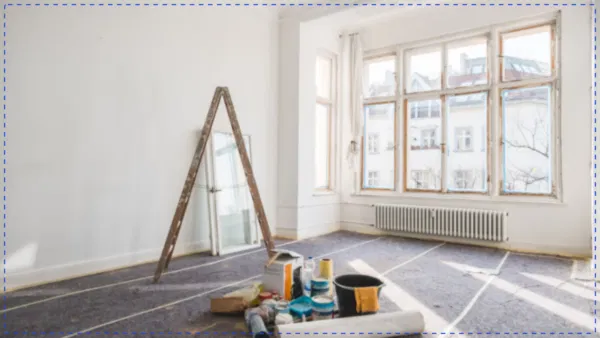
Painting 90% of the time is a good investment

Time and again, painting is one of the most basic yet profitable home fix-ups.  There’s virtually nothing a coat of paint won’t fix, especially if you plan to sell your home within a few years.

Professionally, painting the home’s exterior costs an average of $8,250 and recoups nearly 100% of its price.  But that’s not the good part of the painting.

Studies also show that painting has a significant impact on reducing the time it takes to sell.  Reducing time to market means saving thousands in interest, taxes, and other overhead costs associated with maintaining your home and mortgage during the “for sale” period.

Rather than spending money on your home’s less visible “infrastructure” issues, you’re frequently better off fixing the cracked front steps and painting the entry and front door.

Kitchen Fix-Ups

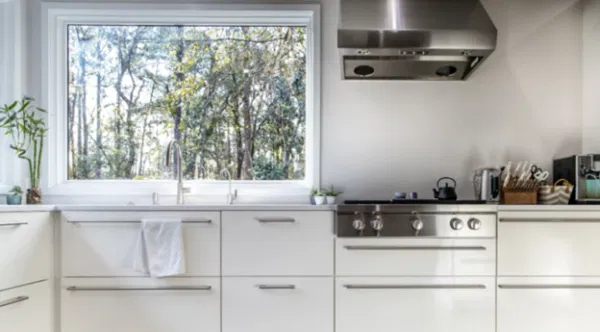
Here’s an area that can mean serious profit when selling your home.  Even minor, fundamental improvements to your kitchen can pay big dividends.  For most buyers, the kitchen is the heart of the house.  And that means it has the most significant profit potential.  Here are a few suggestions for improving your kitchen without investing tens of thousands in remodelling costs.

In the short term, consider changing floors, cabinets, and fixtures.  Consider sanding, staining, or painting dingy-looking cabinets to give them a fresh look.  Replacing old cabinet hardware (a low-cost improvement) can make a massive difference in appearance.

Examine your countertops and other visually appealing surface areas.  Also, look at the kitchen sink and fixtures.  Replacing them with contemporary fixtures and a new sink can make a difference in aesthetics and hard dollars if they’re old and worn. In some cases, spending $6,000 on a cosmetically outdated kitchen can add as much as $15,000 in extra value to the home.

Adding New Space

Generally, improvements that increase the home’s functional space are good profit centers.  For example, one homeowner had a storage area accessed outside and bordered by the laundry room.  The homeowner knocked out the laundry room wall to the storage area, eliminated the outside door to the storage area, and added over 100 more square feet of storage and useable space, which is now accessed from the inside, not the outside.

The repair, which cost only about $3,000, increased the home value an estimated four times the cost to perform.

Converting an attic into a bedroom suite can instantly transform your four-bedroom home into a five-bedroom home and significantly increase its value.  Waterproofing and improving a basement for additional storage (a job that costs about $5,000) can recoup well over its cost once the house goes on the market.

Look around your home for areas that can be easily expanded, refurbished, or functionally added to increase the number of bedrooms, bathrooms, or usable square footage. You’ve found a significant profit center.

Enclosed are Decks and Patios

Most outside improvements don’t fare well from a profit standpoint, but here’s a great way to increase the overall square footage of your home and its value.  Consider installing a deck or enclosed patio.

This not only increases the aesthetics of your home but also its usability.

Decks and patios can range in cost between $6,000 and over $15,000 and, in most cases, recoup at least 90% of their price in extra home value – especially if you’ll be living in the home for a few years.

Adding an Extra Bathroom

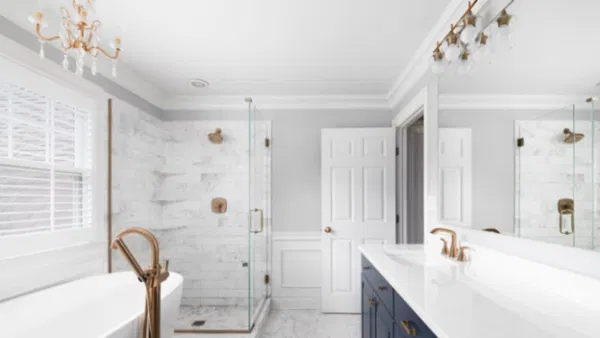
According to Remodelling Magazine, adding an extra bathroom will pay for itself in most cases.  The average cost of a bathroom addition is approximately $26,000, including all the trimmings – a marble vanity top, sink, ceramic bathtub and commode, and a custom tiled shower.

Here’s another profit-pointer:  a second bath will add more value to a home than a third bath.  When adding baths, consider using skylights, windows, and other methods to bring in natural light.

Now, here are a few areas you want to avoid.

Replacing Windows and Doors

Even replacing windows and doors with energy-efficient models is generally a bad idea.  Investments in windows and doors will return only about 36% to 53% of their cost, while $1,280 worth of caulking and insulation can yield over 71%.

However, if your windows are old and leaking, you should replace them.  Consider using standard-size windows rather than custom-cut models.  The savings in your utility bill might pay for them alone.  The minute you get into customizing windows with fancy shapes, bays and bows you can’t see from the street, you’re throwing your money down the drain.

Swimming Pools

Swimming pools have different value levels depending on the part of the country in which they’re located.  The warmer climates tend to place more value on pools simply because of the number of days they can be used throughout the year.

However, in either case, there is generally little resale value.  Pools turn off more buyers than they attract because they require expensive, time-consuming upkeep.  Running a close second is the fear of liability from having a pool.  Pool accidents can quickly lead to a court case as the subject of a negligence lawsuit.

The verdict?  Be very careful before you go spending money on a new pool.

Gardens, Walls, and Fences

Fancy gardens and extensive landscaping are generally among the biggest losers.  The same applies to large walls and elaborate fences.  Homeowners can spend tens of thousands on making the grounds of a home beautiful, but rarely recoup their investment.  Why?

Unless you’ve a horticultural buyer looking at your home, most buyers consider the time and money required to maintain lavish landscaping.  However, that’s not to say that your home shouldn’t have lovely grounds.  The same situation can work against you if your home is perceived as the “weak link” of the neighbourhood because of its landscaping.

The key is to design your landscaping in harmony with the surrounding homes in your area.  If that requires spending a little money, so be it.  But don’t expect to get it out at the sale price.

Functional and Structural Improvements

Here’s a sad paradox: Many of the improvements that have the most value for you as a homeowner often end up being the worst performers in terms of resale value.  And usually, those improvements are from a functional or structural standpoint.

For example, adding a new plumbing system will make your life in your home more comfortable. Still, they’ll fail to recoup their costs in added home value unless you live there for some time.

Unfortunately, when certain functional items fail, you have no choice but to fix them.  This includes water heaters, HVAC units, plumbing, and foundational problems.  However, be cautious about where you spend your hard-earned dollars.  As the saying goes, “If it ain’t broke, don’t fix it.”

How to Avoid Home Repair Rip-Offs

By now, you’ve probably identified several areas you could improve on your home and start reaping extra dollars in value.  But there’s still another hurdle to overcome.  And it’s an important one.

Thousands of consumers complain to the Better Business Bureau about home repair rip-offs each year.  Home repairs are second only to car repairs on the “rip-off” list.

Here’s how homeowners can protect themselves from contractor fraud, five ways to protect yourself

Here’s the inside story on the most common games played, plus several tips to help you avoid becoming another contractor victim.

Selecting Painters

The key to a great paint job isn’t necessarily in the painting but in the prep work.  And this is the area where you will either get “taken” or get a great job.  If you own a two- or three-story home, it isn’t easy to ensure every inch has been adequately scraped, sanded, patched, and primed when climbing up a ladder.

However, taking the time and effort may pay off big dividends.   Here are a few tips to make sure you’re getting your money’s worth out of your painter:

  1. Verify that all priming and preparation have been done. Ask your painter to use a primer paint colour different from the current or finish paint.  For example, if your existing colour is white, ask them to use a light-gray primer.

  2. Get a detailed on-site estimate to avoid unpleasant surprises. You don’t need to go through three estimates for the same job.  Just get two estimates if they’re in the same ballpark.  But ensure they’re detailed so you know what you’re paying for.

  3. Don’t scrimp on paint. Use high-quality paint, even if you can only afford a single coat. But don’t buy the top-of-the-line, either.  Your best bet?  Select a colour that’s one step down from the top-of-the-line premium paint.

  4. Remember that painters do better on paint prices than you will. Frequently referred to as a “contractor price,” your painter can, for example, buy paint at $62 a gallon and resell it to you for $75.  Even with the markup, that’s still a better deal than buying it for retail at $85.   Make sure to ask your painter how their paint pricing works.

  5. When evaluating exterior painters, ask for addresses of homes they painted about five years ago. Then look at them.  A good paint job should last about seven years.  At five years, you’ll see just the beginning of paint wear around the eaves and gutters.

  6. Remember, no matter how much you haggle with potential contractors to lower their bids, they still need to make a living. You can push too hard.  If you pressure painters into lower prices, this only means they have to find cheaper labour to do the job.  And affordable labour means a shoddy job.  Either way, you generally get what you pay for.

Selecting Plumbers

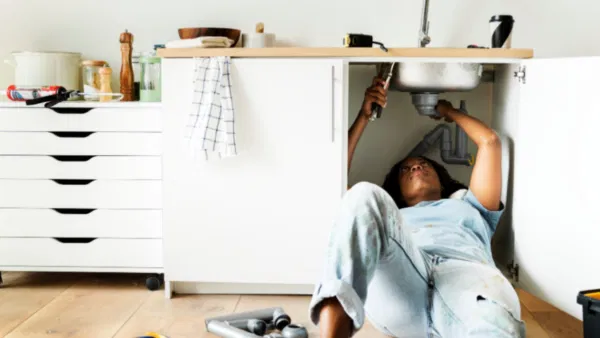
Here’s the “inside scoop” on plumbers: you won’t pay much for the “parts” they use; they make their money on labour and “mobilization charges.”  Frequently, plumbers charge a minimum of one hour, regardless of the actual time spent on the work.

So, if you’re paying a plumber a minimum fee to show up anyway, why not ask him to do other work involving plumbing, such as fixing disposals, pool or lawn sprinkler work, leaky faucets, or washers that need replacing?  Use up the minimum he will charge you for fix-up projects.

Plumbing problems are challenging to estimate.  To help you in the process, here are several tips to consider:

  1. Explain your job or problem over the phone, then ask how they will address it, what the cost will be, and when the work will start and be completed. And here’s an important tip: if you live in an affluent neighbourhood, do not give your phone number or address until after you’ve been quoted a price.  Some plumbers pay 50% more when they learn you live in an affluent neighbourhood.

  2. If a highly recommended plumber has no idea about the job’s cost, negotiate a flat rate for them to inspect the problem and provide a quality bid.

  3. When dealing with tradespeople who charge by the hour, ask if travel time is also included on the clock.

  4. Check for shoddy work or ways your plumber will try to boost their profit margins at your expense. For example, some will use a ½-inch pipe instead of a ¾-inch pipe, which means your toilet may not flush correctly in bathrooms with a shower.  Alternatively, if a plumber uses L or K-grade copper piping, you can expect a life expectancy of five to 10 years, compared to M-grade piping, which typically lasts 15 to 20 years.  And some plumbers use plastic pipe, which is inexpensive but noisier and less durable than metal.  Ask your plumber what he’s using before he starts his work.

  5. If you suspect your plumber is overcharging you for materials, visit Home Depot or a plumbing supply house and obtain a price quote for the same materials. You can still check the price tags even if they don’t sell directly to consumers.

Selecting Electricians

Electricians register the fewest complaints from consumers, likely because they have the most stringent national standards to adhere to.  Before hiring an electrician, make sure they are licensed.

You should also check (along with all tradesmen you consider) that:  1) he’s licensed and insured; 2) he has no complaints with the Better Business Bureau in your area; 3) he’s driving a truck or van with a painted-on sign and logo; and 4) he’s willing to write you an estimate on his own printed invoice, which should reveal a street address rather than a post office box.

However, electricians can easily take advantage of you on parts.  A cheap electrical switch costs your electrician 99 cents compared to $4 for a longer-lasting one.  When obtaining parts from your electrician, ensure he uses “specification grade or better” products – a standard set by the CSA.

Selecting Roofers

Better Business Bureaus have their files stuffed with stories of roofers who ripped off consumers and skipped town.

If you’ve got a leaky roof, chances are it’s a flashing problem.  This is the material, typically made of copper, galvanized steel, or aluminum, that connects your roof to the chimney with a black, sticky substance called asphalt cement.  If you need flashing fixed, plan to spend about $30 to $50 per hour to set it correctly.

Be wary of the roofer who gazes at your roof and announces, “Your roof is 15 years old, and it’s gonna leak soon if you don’t replace those shingles.”  The only way to determine whether you need a new roof is to get up there and inspect it.  Worn-out shingles, which have lost their oil and thus water repellency, look brittle, curl up at the edges, and often crumble into powder when broken.

A new asphalt shingle roof is typically costed out per “square” (a roofer’s square is 100 square feet), depending on the quality of the shingles and the slope of your roof.  A shingle roof should last 15 to 20 years.

If you plan to move out of your home soon, you might want to consider a “second coat” of shingles.  This will avoid the need to strip off the first layer, saving you approximately 20% in labour.

Selecting HVAC Specialists  

The most common rip-offs with HVAC (an acronym for “Heating, Ventilation, Air Conditioning, and Cooling”) include substituting used parts for new ones and replacing components that don’t need replacement.

The solution?  Always ask to see the old or broken parts before they’re replaced, and examine the packaging and documentation of any new features used.

And here’s another tip: try to have any HVAC repairs performed off-season.  Air conditioning and heating work is up to 10% less expensive during the off-season.

Also, avoid extended payment plans.  There’s no free lunch, and it’s assumed you’re paying for the costs of money somewhere in the job.   If you purchase a service contract, ensure that your contractor details everything that will be performed under the agreement and that they have the most up-to-date equipment to complete the job.

And if you need to replace an air conditioner or furnace, eliminate the bidder who estimates the job off the cuff without measuring your windows, asking about the type of insulation you have, and considering the direction your home faces.

Should You Get A Written Contract?

Written agreements help keep a tradesperson to their word as long as they’re detailed enough.  However, a piece of paper doesn’t protect you from being taken advantage of.

If you get “duped” by a licensed contractor, you can complain directly to your local Better Business Bureau or other local agencies and request a hearing or arbitration.  Suppose you’re dealing with an unlicensed tradesperson. In that case, your regional Better Business Bureau may help arbitrate the situation, but if the contract was large enough, you might be forced into the courts for satisfaction.

Whether or not you receive a contract, ensure that after work, you receive a written statement stating that all work performed has been paid in full.  Or, better yet, when you submit your final payment, write that statement yourself and ask the tradesman to sign it.

Get Expert Advice and “Hand-Holding” Guidance In Getting the Most Value Out Of Your Home

There’s no question about it; getting top dollar out of your home can be tricky.  One false move can cost you thousands of dollars. We have developed a proprietary program for homeowners seeking to sell their properties.  We call it our :

Maximum Home Value Audit

And it’s completely different from what any other Realtor can provide for you. If you’re considering selling in the next six months, here’s what I’ll provide for you without any obligation whatsoever:

  • I’ll conduct a careful and thorough valuation of your home, based on real-world facts, in an EASY-to-understand format. You won’t get inflated values to pressure you into signing anything.

  • And you won’t get anything like, “I have a buyer right now who’s interested in your specific home, and if you list with me, I’ll bring him by right now.” You’ll get no pressure, no arm-twisting, and only a real-world, honest, fact-filled analysis.

  • I will tour your home to identify items that could negatively affect your selling price. As mentioned earlier, some of our findings could result in as much as a $10 increase in sales price for every $1 invested.  By the end of my tour, you’ll have a checklist of strategies designed to “position” your home to sell for the most money possible.

  • I’ll share our [128 Step Top Dollar Marketing Plan].  This plan will provide you with insider secrets on how to effectively promote your home, handle buyers, interact with other Realtors, lawyers, and mortgage professionals, and prepare for a move.

  • PLUS, we guarantee everything we do. If any other Realtor doesn’t ensure their services, ask them why.  You’re staking the successful sale of your home on their abilities; why shouldn’t they stake their fee the same way?  We place our priorities in the same place as yours.  We’re in this together!

When selling your home, the LAST thing you need is added pressure.  That’s why we’ll answer all of your questions.  And give you one less thing to worry about during these hectic times.

I am not telling you these things to impress you, but to impress UPON YOU, the difference between Realtors who “sell” real estate and those who COMMIT to whatever it takes to serve a client beyond their expectations! 

  • We are full-time Realtors. We make it a priority to educate & guide YOU on every aspect of your transaction.

  • We have a list of references, past clients, and professional associations whom you can contact at any time to discuss the quality of service we have provided to others like you.

  • We have developed an EXCLUSIVE [128 Step] marketing plan unequalled by anyone in the business. We do this because our dedication to selling your home is also unsurpassed.  There’s no other way we can live up to that expectation without extraordinary marketing capabilities.

  • We have specifically designed marketing tracking systems for every home we sell. We also have specific techniques to ensure you receive all activity and progress updates at your home on a weekly basis.  You will NEVER feel out of touch with us!

  • We guarantee everything we do! If you’re not happy with us, fire us! This places the burden of risk on us, not you.

  • We have references for reliable sources, many of which realtors are unaware of, such as insurance companies, inspectors, lawyers, mortgage providers, and others directly related to your transaction. If you choose to use any of them, you won’t be dealing with arbitrary people.  These are professionals with whom we have worked personally in other transactions.

  • We schedule showings around your schedule and respect your personal and family time. This requires special planning and forethought that most Realtors do not consider.

  • We speak with people directly involved in real estate buying or selling every day. This enables us to establish a communication link between properties and individuals.

  • Most importantly, we generate over 80% of our clients through referrals alone. We focus 110% of our efforts on providing such outstanding service; our clients will refer our services to family, friends, and acquaintances.

On the surface, it may seem there are many Realtors from which to choose.  However, just because there are many Realtors out there doesn’t mean they can all do the same job for you.

All Realtors Are NOT The Same!

I know there’s a natural tendency to procrastinate and put off important decisions.  But the more you procrastinate, the more pressure ultimately rests with you.

So call now at 519-435-1600, or, find out what your home is worth in London Ontario in this market.  There’s no obligation whatsoever.  And it could save you thousands on your home sale.  

Congratulations

You have read this far! Very few people take the time to plan; instead, they go willy-nilly, allowing their emotions to make decisions. You would be surprised at how few people take the time to do some minor fixes on their homes or do them correctly.

My experience tells me that those who prepare before selling a home do their ‘homework’ are much more likely to sell their home quicker and for more money!

Why leave money on the table or go to all the trouble, money and energy to update

Read

How To Avoid Home Repair Fraud

Are you confident in your ability to avoid home repair fraud?

You may have identified several areas where you can improve in your home and start reaping extra value.  But there’s still another hurdle to overcome.  And it’s an important one.

Thousands of consumers complain to the Better Business Bureau about home repair fraud each year.  Home repairs are second only to car repairs on the “rip-off” list.

Here’s the inside story on the most common games played, plus several tips to help you avoid becoming another contractor victim.

Selecting Painters     

The key to a great paint job isn’t necessarily in the painting but in the prep work. Ensure every inch is scraped, sanded, patched, and primed.

However, taking the time and effort may pay off big dividends.   Here are a few tips to make sure you’re getting your money’s worth out of your painter:

  1. Verify that all priming and preparation have been done. Ask your painter to use a primer paint colour different from the current or finish paint.  For example, if your existing colour is white, ask them to use a light-gray primer.

  2. Get a detailed on-site estimate to avoid unpleasant surprises. You don’t need to go through three estimates for the same job.  Just get two estimates if they’re in the same ballpark.  But ensure they’re detailed so you know what you’re paying for.

  3. Don’t scrimp on paint. Use high-quality paint, even if you can only afford a single coat. But don’t buy the top-of-the-line, either.  Your best bet?  Select a colour that’s one step down from the top-of-the-line premium paint.

  4. Remember that painters do better on paint prices than you will. Frequently referred to as a “contractor price,” your painter can, for example, buy paint at $62 a gallon and resell it to you for $75.  Even with the markup, that’s still a better deal than buying it for retail at $85.   Make sure to ask your painter how their paint pricing works.

  5. Remember, no matter how much you haggle with potential contractors to lower their bids, they still need to make a living. You can push too hard.  If you pressure painters into lower prices, this only means they have to find cheaper labour to do the job.  And affordable labour means a shoddy job.  Either way, you generally get what you pay for.

Selecting Plumbers

Here’s the “inside scoop” on plumbers: you won’t pay much for the “parts” they use; they make their money on labour and “mobilization charges.”  Frequently, plumbers charge a minimum of one hour, regardless of the actual time spent on the work.

So, if you’re paying a plumber a minimum fee to show up anyway, why not ask him to do other work involving plumbing, such as fixing disposals, pool or lawn sprinkler work, leaky faucets, or washers that need replacing?  Use up the minimum he will charge you for fix-up projects.

Plumbing problems are challenging to estimate.  To help you in the process, here are several tips to consider:

  1. Explain your job or problem over the phone, then ask how they will address it, what the cost will be, and when the work will start and be completed. And here’s an important tip: if you live in an affluent neighbourhood, do not give your phone number or address until after you’ve been quoted a price.  Some plumbers pay 50% more when they learn you live in an affluent neighbourhood.

  2. If a highly recommended plumber has no idea about the job’s cost, negotiate a flat rate for them to inspect the problem and provide a quality bid.

  3. When dealing with tradespeople who charge by the hour, ask if travel time is also included on the clock.

  4. If you suspect your plumber is overcharging you for materials, visit Home Depot or a plumbing supply house and obtain a price quote for the same materials. You can still check the price tags even if they don’t sell directly to consumers.

Selecting Electricians

Electricians register the fewest complaints from consumers, likely because they must adhere to the most stringent national standards.  Before hiring an electrician, make sure they are licensed.

You should also check (along with all tradesmen you consider) that:  1) he’s licensed and insured; 2) he has no complaints with the Better Business Bureau in your area; 3) he’s driving a truck or van with a painted-on sign and logo; and 4) he’s willing to write you an estimate on his own printed invoice, which should reveal a street address rather than a post office box.

However, electricians can easily take advantage of you on parts.  A cheap electrical switch costs your electrician $0.99 compared to $4 for a longer-lasting one.  When obtaining parts from your electrician, ensure he uses “specification grade or better” products – a standard set by the CSA.

Selecting Roofers

Better Business Bureaus have their files stuffed with stories of roofers who ripped off consumers and skipped town.

If you’ve got a leaky roof, chances are it’s a flashing problem.  This is the material, typically made of copper, galvanized steel, or aluminum, that connects your roof to the chimney with a black, sticky substance called asphalt cement.  If you need flashing fixed, plan to spend about $30 to $50 per hour to set it correctly.

Be wary of the roofer who gazes at your roof and announces, “Your roof is 15 years old, and it’s gonna leak soon if you don’t replace those shingles.”  The only way to determine whether you need a new roof is to get up there and inspect it.  Worn-out shingles, which have lost their oil and thus water repellency, look brittle, curl up at the edges, and often crumble into powder when broken.

A new asphalt shingle roof is typically costed out per “square” (a roofer’s square is 100 square feet), depending on the quality of the shingles and the slope of your roof.  A shingle roof should last 15 to 20 years.

If you plan to move out of your home soon, you might want to consider a “second coat” of shingles.  This will avoid the need to strip off the first layer, saving you approximately 20% in labour.

Selecting HVAC Specialists  

The most common rip-offs with HVAC (an acronym for “Heating, Ventilation, Air Conditioning, and Cooling”) include substituting used parts for new ones and replacing components that don’t need replacement.

The solution?  Always ask to see the old or broken parts before they’re replaced, and examine the packaging and documentation of any new features used.

And here’s another tip: try to have any HVAC repairs performed off-season.  Air conditioning and heating work is up to 10% less expensive during the off-season.

Also, avoid extended payment plans.  There’s no free lunch, and it’s assumed you’re paying for the costs of money somewhere in the job.   If you purchase a service contract, ensure that your contractor details everything that will be performed under the agreement and that they have the most up-to-date equipment to complete the job.

And if you need to replace an air conditioner or furnace, eliminate the bidder who estimates the job without measuring your windows, inquiring about the type of insulation you have, and considering the direction your home faces.

Should You Get A Written Contract?

Written agreements keep a tradesperson to their word as long as they’re detailed.

Ensure you receive a written statement stating that all work performed has been paid in full.  Or, better yet, when you submit your final payment, write that statement yourself and ask the tradesman to sign it.

Get Expert Advice and “Hand-Holding” Guidance In Getting the Most Value Out Of Your Home

Sold, a fabulous four-letter word for Home Sellers

There’s no question about it; getting top dollar out of your home can be tricky.  One false move can cost you thousands of dollars. We have developed a proprietary program for homeowners seeking to sell their properties.  We call it our :

Maximum Home Value Audit

And it’s completely different from what any other Realtor can provide for you. If you’re considering selling in the next six months, here’s what I’ll provide for you without any obligation whatsoever:

  • I’ll conduct a careful and thorough valuation of your home, based on real-world facts, in an EASY-to-understand format—no inflated values. No pressure. No signing anything.

  • And you won’t get anything like, “I have a buyer right now who’s interested in your specific home, and if you list with me, I’ll bring him by right now.” You’ll get no pressure, no arm-twisting, and only a real-world, honest, fact-filled analysis.

  • I will tour your home to identify items that could negatively affect your selling price. As mentioned earlier, some of our findings could result in a $10 increase in sales price for every $1 invested.  By the end of my tour, you’ll have a checklist of strategies designed to “position” your home to sell for the most money possible.

  • I’ll share our [128 Step Top Dollar Marketing Plan].  This plan will provide you with insider secrets on how to effectively promote your home, handle buyers, interact with other Realtors, lawyers, and mortgage professionals, and prepare for a move.

  • PLUS, we guarantee everything we do. If any other Realtor doesn’t ensure their services, ask them why.  You’re staking the successful sale of your home on their abilities; why shouldn’t they stake their fee the same way?  We place our priorities in the same place as yours.  We’re in this together!

The Last Thing You Need Is Pressure!

  • We are full-time Realtors. We make it a priority to educate & guide YOU on every aspect of your transaction.

  • We have a list of references, past clients, and professional associations whom you can contact at any time to discuss the quality of service we have provided to others like you.

  • We have developed an EXCLUSIVE [128 Step] marketing plan unequalled by anyone in the business. There’s no other way we can live up to that expectation without extraordinary marketing capabilities.

  • We have specifically designed marketing tracking systems for every home we sell. We also have specific techniques to ensure you receive all activity and progress updates at your home on a weekly basis.  You will NEVER feel out of touch with us!

  • We guarantee everything we do! If you’re not happy with us, fire us! This places the burden of risk on us, not you.

  • We have references for reliable sources, many of which realtors are unaware of, such as insurance companies, inspectors, lawyers, mortgage providers, and others directly related to your transaction. If you choose to use any of them, you won’t be dealing with arbitrary people.  These are professionals with whom we have worked personally in other transactions.

  • We schedule showings around your schedule and respect your personal and family time. This requires special planning and forethought that most Realtors do not consider.

  • We speak with people directly involved in real estate transactions every day. This enables us to establish a communication link between properties and individuals.

  • Most importantly, we generate over 80% of our clients through referrals alone. We focus 110% of our efforts on providing such outstanding service; our clients will refer our services to family, friends, and acquaintances.

All Realtors Are NOT The Same!

On the surface, it may seem there are many Realtors from which to choose.  However, just because there are many Realtors out there doesn’t mean they can all do the same job for you.

I know there’s a natural tendency to procrastinate and put off important decisions.  But the more you procrastinate, the more pressure ultimately rests with you.

Congratulations

You have read this far! Very few people take the time to plan; instead, they go willy-nilly, allowing their emotions to make decisions.

Read

Will Tariffs Raise House Prices in London Ontario?

Will tariffs raise house prices and mortgage rates even though we are in a buyer’s market? Most likely.

On April 2, President Donald Trump announced a broad set of tariffs, including a 10% baseline tariff on all imports and additional tariffs on specific countries. This move sent shockwaves through the housing market, raising questions about what comes next.

Key takeaways

  • Tariffs are taxes on imported goods to make foreign products more expensive and encourage people to buy locally.

  • A tariff is a tax that a government imposes on goods and services imported from another country. In this case, the U.S. would impose a tariff on imports from Canada, and Canada would, in return, impose its tariff on imports from the U.S.

  • As construction costs rise due to tariffs, home prices may increase, and mortgage rates could follow suit.

With tariffs targeting imported materials such as steel and lumber, builders are facing rising costs, which are quickly passed on to buyers in the form of higher home prices. At the same time, inflation resulting from these tariffs could drive mortgage rates higher, making homeownership even less affordable for many.

For homebuyers, investors, and real estate professionals, the stakes are high. As tariffs continue to shape the market, understanding the impact on mortgage rates and housing affordability is crucial, now more than ever. I

What are tariffs, and why do they matter?

Governments impose tariffs, which are taxes on imported goods, to make foreign products more expensive and give local businesses a competitive advantage. The intention is to encourage consumers to buy domestic products instead of cheaper imported alternatives.

But here’s the catch: this price increase can have a ripple effect that reaches beyond the retailer and into your wallet, especially when it comes to homebuilding materials. For homebuyers and investors, this means paying more for construction costs and essential materials, such as steel, lumber, and even appliances.

As these costs rise, so do the prices of new homes, making it harder for potential buyers to afford their dream home. Even investors can feel the pinch, as higher construction expenses can reduce potential profits on new developments.

How tariffs could affect mortgage rates

Tariffs can impact mortgage rates in various ways, presenting both opportunities and challenges for homebuyers and investors.

Potential benefitsPotential drawbacks
Short-term mortgage rate relief: Tariff uncertainty can lead investors to safer assets, which temporarily lower yields and provide a brief window for homebuyers to lock in lower mortgage rates before they rise again.Potential long-term rate increases: Persistent tariffs-driven inflation may prompt the rise in interest rates, leading to higher mortgage rates over time.
Increased rental demand: Higher mortgage rates and home prices may prompt potential buyers to enter the rental market, thereby boosting rental income for investors.Potential long-term rate increases: Persistent tariffs-driven inflation may prompt a rise in interest rates, leading to higher mortgage rates over time.
Potential for lower home prices: If tariffs dampen consumer demand and economic growth, home prices may stabilize or decrease.Market volatility: Uncertainties surrounding trade policies can lead to market fluctuations, making it challenging for investors to predict short-term market movements.
Opportunities for strategic investment: Investors with capital may find opportunities to acquire properties at lower prices during market downturns.Tighter lending standards: Economic uncertainty and higher borrowing costs could prompt lenders to tighten their credit standards, making it harder for potential buyers to qualify for mortgages.

Implications of tariffs

The impact of the tariffs on the housing sector has been multifaceted. While some mortgage rates initially dipped following Trump’s announcement, the overall uncertainty has caused homebuyers and investors to be more cautious. This hesitation has slowed home sales and led to a more reserved approach in the market.

Key implications for homebuyers and investors

  • Fewer affordable options for homebuyers: As construction costs rise, builders are increasing home prices to offset the higher expenses. This could lead to fewer options for buyers.

  • Delayed purchases: As the cost of living increases, many homebuyers may delay purchasing, which can contribute to market stagnation and reduced inventory.

  • Impact on new homes: For investors, the effects of tariffs extend beyond construction costs. While higher material prices strain new developments, there’s also the risk of delayed projects, as builders may struggle to secure affordable supplies.

  • Global supply chain disruptions: If tariffs disrupt global supply chains, the cost of goods could rise, impacting everything from property maintenance to tenant amenities. This broader economic shift could make it more challenging for investors to maintain consistent cash flow and achieve long-term returns.

How homebuyers and investors can navigate the challenges of tariffs in the housing market

As tariffs continue to rise and potentially extend through 2026 and beyond, the housing market may face increased pressure, particularly with higher construction costs and mortgage rates. Here are some strategies to minimize the impact of tariffs on your homebuying and investing plans:

  • Stay informed on policy changes: Monitor trade policies and tariffs to anticipate market shifts and adjust your strategies accordingly.

  • Lock in mortgage rates early: With potential interest rate hikes due to inflation, securing a fixed-rate mortgage can save you money should inflation persist in the long term.

  • Consider alternative construction materials: To keep construction costs down, utilize domestically sourced materials that are exempt from tariffs or import duties.

  • Buy Canadian.

Note: I compiled the above information from writer Julia del Rosario and a comprehensive explanation from the Bank of Nova Scotia, titled “Understanding Tariffs.”

Read

Real Estate Pessimism London Ontario

There is a lot of real estate pessimism about the London Ontario real estate market as a buyer’s market. Unfortunately, that pessimism is fed by the talking heads on TV or radio, the doom-sayers and the unwashed.

In the article below, The London Free Press and The National Post published an article stating that this is a buyer’s market.

There is no question that there are more homes for sale now than there were two years ago, and that some consumers are leery or unable to buy. I do not argue with that statement, as that is a fact!

Unfortunately, people love pessimism! Especially real estate pessimism!

Which headline would get more views?

  •  Plane crashes. Or, 100,000 or more planes flew safely yesterday. I googled it.

  • It is a buyer’s market. Or, 631 homes sold in London, close to 98% of the asking price!

  • 5% unemployment rate. Or, 95% of Ontarians have jobs.

So, yes, buyers who have the DNA (desire, need, and ability) are not as plentiful. Some buyers are keen to buy, but one or two key aspects of the DNA are missing.

For buyers with the DNA, this is an excellent opportunity to buy, and for any seller with a high DNA, it’s a great time to sell.

I am a firm believer that action gets results; the nay-sayers, economists, and newspeople aren’t the ones who buy.

Houses and condos sell; they may take longer than in the past; however, the patient homeowner will prevail.

The Article

Read

Pride of Ownership 695 Railton Avenue London Ontario

The only thing that has not been replaced at 695 Railton Avenue London Ontario, is the street number. This four-level backsplit has been tastefully and meticulously updated in the last five years and is for sale.

From a 55-year warranty metal roof (2020), windows (2022 and 2025), doors (2022 and 2025), flooring (2020 and 2025), bathrooms (2021 and 2025), kitchen (2020), AC (2021), furnace (2020), sump pump (2025), water heater (August 26,2025), the list goes on.

When someone says a house is move-in ready, picture this one.

A fully fenced backyard, a garden shed, and a hot tub are included. The water heater is owned. A driveway could hold three vehicles.

The 695 Railton Ave. London Ontario Neighbourhood

You can live here for years without worrying about any major surprises or unexpected expenses. Located in a great, safe family neighbourhood, with easy access to Veterans Memorial Parkway, the 401 and London Airport.

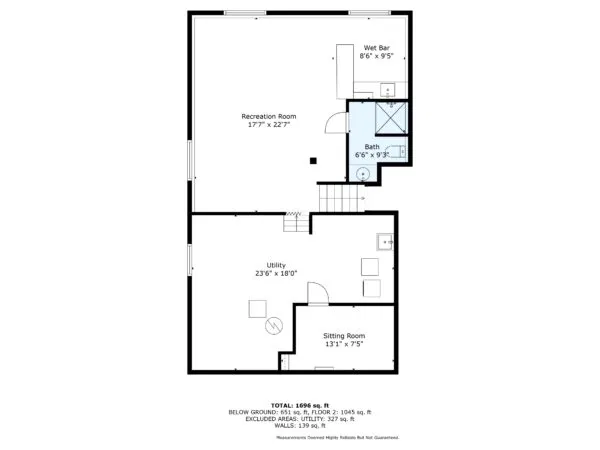
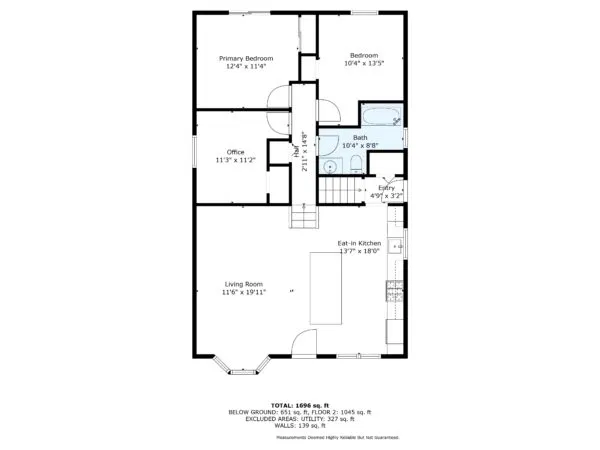
Check These Floor Plans For 695 Railton Avenue London

Area Schools, Amenities, Parks

695 Railton Upgrades

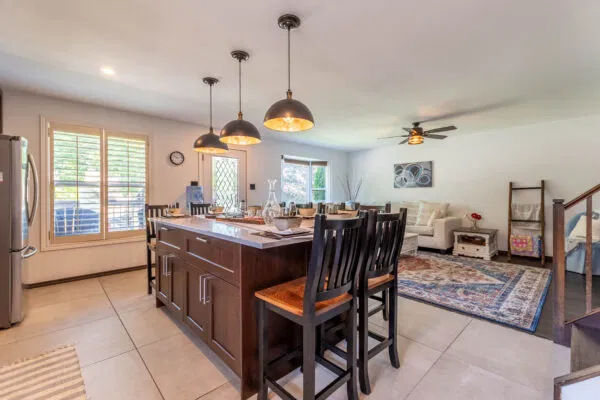
Kitchen:

  • Quartz countertops and island

  • Storage on both sides of the island

  • Appliances

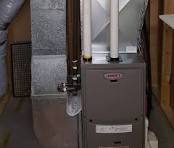
High Efficiency Furnace 2020 and Water Heater 2025

A/C 2021

Roof

  • 55-year transferrable warranty,50 years left

  • Eavestroughs and downspouts

Hardwood Flooring 2020

  • Living room, stairs, hallway

Upper bathroom 2021

Windows and Doors 2022

  • Main level

  • Bedrooms

  • Front door

Hardwood Flooring 2025 bedrooms

Basement bathroom April 2025

Basement floor April 2025

Sump Pump April 2025

New side Door June 2025

Sliding door May 2025

All basement windows, May 2025

Read

You Are Not A Real Estate Spreadsheet

Will a real estate spreadsheet help you decide on buying a home in London Ontario? In my many years as a Realtor, I hear “I’ll add it to my spreadsheet and get back to you.”

Or, “I’ll do a spreadsheet and see if the numbers work”.

Does a spreadsheet have:

  • Rationality?

  • Reasonability?

  • Common sense?

  • Optimism?

  • Patience?

  • Happy or being right?

  • Uncertainty, doubt, regret?

  • Analysis by paralysis?

Does a real estate spreadsheet rationalize a private backyard, a particular view, a unique layout or room sizes?

Your commute to work or work from home space? Schools? Walkability? Demographics?

When I worked with investors, most of them ran spreadsheets. The most successful investors used a spreadsheet with a twenty-year time frame and removed emotion from the equation.

Those wise investors also took into consideration changes predicted for the future, such as new construction, altered traffic flows, or government interference with their ability to achieve a decent return on their investment.

Morgan Housel wrote,” Financial decisions are not made in spreadsheets or textbooks.”

A real estate spreadsheet for a home buyer helps calculate utilities, taxes, and mortgage payments, but that is it.

A home may not be the wisest investment you will ever make, but a home is you, your family, your retreat, your safety zone, your comfort zone.

How can you put a price on that? Yes, prudence in theory may be bantered about, but home ownership is more powerful!

Read

What A Great Time For Home Buyers!

What a great time for home buyers in London, Ontario, and the surrounding area. With a 15.3% increase in new listings, active listings increased 26.5% in May!

I say this because prices rose in May by 1.4%, which is less than the inflation rate.

We have all read about people buying when everyone else is selling and selling when everyone else is buying. When the stock market plunged, smart money bought or averaged out their investments.

Some will say it takes nerves to do that, it is risky, what if prices go down, interest rates go up, it will be too warm tomorrow or it might rain, or, worst of all, not everybody is doing that so I will stick with the herd, but not try to look and behave with the sheep!

The May 2025 London Ontario & Surrounding Area Real Estate Market

The table below displays May’s average prices and MLS® HPI Benchmark Prices in LSTAR’s (London St. Thomas Association of Realtors) main regions.

AreaMay 2025
MLS® HPI Benchmark Price
May 2025
Average Price
Central Elgin$638,900$689,474
London East$468,400$524,701
London North$682,000$742,398
London South$589,700$649,905
Middlesex Centre$843,600$979,397
St. Thomas$545,700$564,737
Strathroy-Caradoc$823,100$679,453
LSTAR$593,900$656,432

The HPI benchmark price reflects the value of a “typical home” by buyers in a particular area based on various housing attributes. In contrast, the average sales price is calculated by adding all the sale prices for homes sold. Dividing that total by the number of homes sold. The HPI benchmark price is helpful in gauging trends over time, as averages may fluctuate due to changes in the mix of sales activity from one month to the next.

In May 2025, the MLS® Home Price Index Benchmark Price for the London and St. Thomas area showed varied trends. The composite benchmark price was $593,900. Reflecting a slight increase of 0.8% from the previous month. A decrease of 4.5% over three months and 2.2% over twelve months.

Single-family homes had a benchmark price of $651,500, representing a 1.6% increase from last month. A 13.6% decline over the past three years!

One-storey homes saw the most significant monthly increase at 3.5%, reaching $602,700. Two-storey homes had a modest 0.6% rise to $691,700.

If You Are Thinking of Buying, This is a Great Time

Townhouses and apartments experienced declines. The benchmark prices of $488,200 and $369,500, respectively, indicate a challenging market for these property types.

Over the past five years, one-storey homes have shown the highest growth rate at 55.9%, highlighting long-term appreciation in this segment.

The following table displays May’s benchmark prices for all housing types within LSTAR’s jurisdiction. Showing how they compare with those recorded in the previous month and three months ago.

MLS® Home Price Index Benchmark Prices
Benchmark TypeMay 2025Change Over 
April 2025
Change Over
February 2025
LSTAR Composite$593,900↑0.8%↓4.5%
LSTAR Single-Family$651,500↑1.6%↓3.3%
LSTAR One Storey$602,700↑3.54%↓0.9%
LSTAR Two Storey$691,700↑0.6%↓5.0%
LSTAR Townhouse$488,200↓0.4%↓1.8%
LSTAR Apartment$369,500↓6.2%↓2.7%

The chart below shows the most recent HPI benchmark prices across Canada.

MLS Home Price Index May 2025 Across Canada

In summary, what to do? To Sherlock Holmes: “The world is full of obvious things which nobody by any chance observes”!

What Prudent Home Buyers Do

Written by Ty Lacroix Broker

Read

Real Estate Market Understanding

How do you get a better real estate market understanding of your local market?

First, a few common ways:

  • Scroll through Realtor.ca or a real estate website to view the prices of available properties.

  • Go to Open Houses

  • What the economists say or predict.

  • Your local newscast or newspaper

  • The National Average, or what the GTA or Vancouver market is doing.

  • Your parents

  • Your children

  • Your relatives, co-workers, pickle-ball friends, golf buddies, church members, neighbours.

  • Your local bank representative, mortgage broker, Realtor, financial advisor, lawyer, doctor or nurse, your shrink, hairdresser, barber, plumber, electrician.

  • The doom-sayers.

  • Or, anyone who you think has their sh*t together.

What we do for our clients, and highly recommend that all buyers and sellers do.

A Market Education

 Visit the market and view 3-4 properties that are similar to what you are looking for, or to your current home.

Not to make an offer or buy on any of those 4, but to learn realistically about the market.  Then, when you are ready to buy or sell, you will know what to expect and be able to clarify your wants and needs more effectively.

When we offer market education.

  • There is no obligation on your part, no signing anything, just an old-fashioned face-to-face meeting that, again, past clients said, helped them.

  • Look at a few homes and keep your chequebook at home!!!!! 

  • No signing anything

  • No blah blah blah stuff, such as, “we’re #1, we sell gazillions of homes.

  • No, I am not a miracle worker who can find your dream home for ½ the price

  • No begging,” buy from me, I’m starving, my Mercedes payment is overdue, I’m honest, I’m a friend, a neighbour, a relative, yadda, yadda, yadda?

  • No coffee, tea or lunch (you are not bringing your chequebook, I am not either!)

In summary, this involves a commitment of time and energy from both the Realtor and the buyer and seller.

Does this market education work? Below are what two of our clients wrote:

 “Ty, your market education system is wonderful!” Marilyn Cuthbert 

” Ty, you made our decision so much easier with your market education, thank you,” Philip Rosenburg

Read