

Are you confident in your ability to avoid home repair fraud? But there’s still another hurdle to overcome. And it’s an important one.
Thousands of consumers report home repair fraud to the Better Business Bureau each year. Home repairs are second only to car repairs on the “rip-off” list.

Here’s the inside story on the most common games played, plus several tips to help you avoid becoming another contractor victim.
Selecting Painters
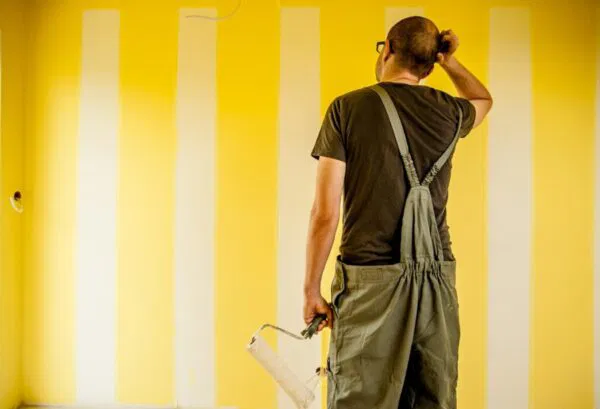
The key to a great paint job isn’t necessarily in the painting but in the prep work. Ensure every inch is scraped, sanded, patched, and primed.
However, taking the time and effort may pay off with big dividends. Here are a few tips to make sure you’re getting your money’s worth out of your painter:
Verify that all priming and preparation have been done. Ask your painter to use a primer paint colour different from the current or finish paint. For example, if your existing colour is white, ask them to use a light-gray primer.
Get a detailed on-site estimate to avoid unpleasant surprises. You don’t need to go through three estimates for the same job. Just get two estimates if they’re in the same ballpark. But ensure they’re detailed so you know what you’re paying for.
Don’t scrimp on paint. Use high-quality paint, even if you can only afford a single coat. But don’t buy the top-of-the-line, either. Your best bet? Select a colour that’s one step down from the top-of-the-line premium paint.
Remember that painters do better on paint prices than you will. Frequently referred to as a “contractor price,” your painter can, for example, buy paint at $62 a gallon and resell it to you for $75. Even with the markup, it’s still a better deal than buying it at retail for $85. Make sure to ask your painter how their paint pricing works.
Remember, no matter how much you haggle with potential contractors to lower their bids, they still need to make a living. You can push too hard. If you pressure painters to accept lower prices, it only means they have to find cheaper labour to do the job. And affordable labour means a shoddy job. Either way, you generally get what you pay for.
Selecting Plumbers
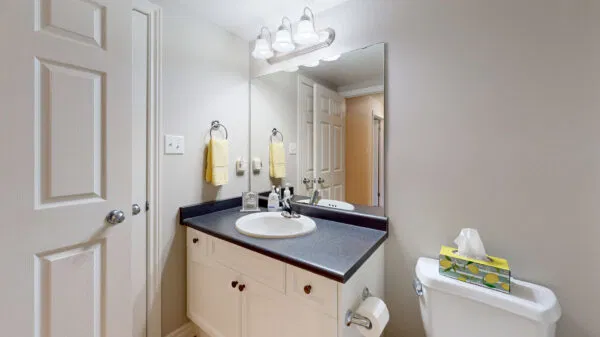
Here’s the “inside scoop” on plumbers: you won’t pay much for the “parts” they use; they make their money on labour and “mobilization charges.” Frequently, plumbers charge a minimum of one hour, regardless of the actual time spent on the work.
If you’re paying a plumber a minimum fee to show up anyway, why not ask them to do other plumbing work, such as fixing disposals, pool or lawn sprinkler work, leaky faucets, or washers that need replacing? Use up the minimum he will charge you for fix-up projects.
Plumbing problems are challenging to estimate. To help you in the process, here are several tips to consider:
Explain your job or problem over the phone, then ask how they will address it, what the cost will be, and when the work will start and be completed. And here’s an important tip: if you live in an affluent neighbourhood, do not give your phone number or address until after you’ve been quoted a price. Some plumbers pay 50% more when they learn you live in an affluent neighbourhood.
If a highly recommended plumber has no idea of the job’s cost, negotiate a flat rate to inspect the issue and provide a quality bid.
When dealing with tradespeople who charge by the hour, ask if travel time is also included in the clock.
If you suspect your plumber is overcharging you for materials, visit Home Depot or a plumbing supply house and obtain a price quote for the same materials. You can still check the price tags even if they don’t sell directly to consumers.
Selecting Electricians
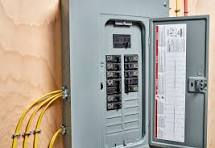
Electricians receive the fewest consumer complaints, likely because they must adhere to the most stringent national standards. Before hiring an electrician, make sure they are licensed.
You should also check (along with all tradesmen you consider) that: 1) he’s licensed and insured; 2) he has no complaints with the Better Business Bureau in your area; 3) he’s driving a truck or van with a painted-on sign and logo; and 4) he’s willing to write you an estimate on his own printed invoice, which should reveal a street address rather than a post office box.
However, electricians can easily take advantage of you on parts. A cheap electrical switch costs your electrician $0.99 compared to $4 for a longer-lasting one. When obtaining parts from your electrician, ensure he uses “specification grade or better” products – a standard set by the CSA.
Selecting Roofers
Better Business Bureaus have their files stuffed with stories of roofers who ripped off consumers and skipped town.
If you’ve got a leaky roof, chances are it’s a flashing problem. This is the material, typically made of copper, galvanized steel, or aluminum, that connects your roof to the chimney with a black, sticky substance called asphalt cement. If you need flashing fixed, plan to spend about $30 to $50 per hour to set it correctly.
Be wary of the roofer who gazes at your roof and announces, “Your roof is 15 years old, and it’s gonna leak soon if you don’t replace those shingles.” The only way to determine whether you need a new roof is to get up there and inspect it. Worn-out shingles, which have lost their oil and thus water repellency, look brittle, curl up at the edges, and often crumble into powder when broken.
A new asphalt shingle roof is typically costed out per “square” (a roofer’s square is 100 square feet), depending on the quality of the shingles and the slope of your roof. A shingle roof should last 15 to 20 years.
If you plan to move out of your home soon, you might want to consider a “second coat” of shingles. This will eliminate the need to strip off the first layer, saving you approximately 20% in labour costs.
Selecting HVAC Specialists
The most common scams involving HVAC (an acronym for “Heating, Ventilation, Air Conditioning, and Cooling”) include substituting used parts for new ones and replacing components that don’t need replacing.
The solution? Always ask to see the old or broken parts before they’re replaced, and examine the packaging and documentation of any new features used.
And here’s another tip: have any HVAC repairs performed during the off-season. Air conditioning and heating work is up to 10% less expensive during the off-season.
Also, avoid extended payment plans. There’s no free lunch, and it’s assumed you’re paying for the costs of money somewhere in the job. If you purchase a service contract, ensure that your contractor details everything that will be performed under the agreement and that they have the most up-to-date equipment to complete the job.
If you need to replace an air conditioner or furnace, eliminate the bidder who estimates the job without measuring your windows, inquiring about your insulation type, and considering your home's orientation.
Should You Get A Written Contract?
Written agreements hold a tradesperson to their word, provided they’re detailed.
Ensure you receive a written statement stating that all work performed has been paid in full. Or, better yet, when you submit your final payment, write that statement yourself and ask the tradesman to sign it.

Comments:
Post Your Comment: